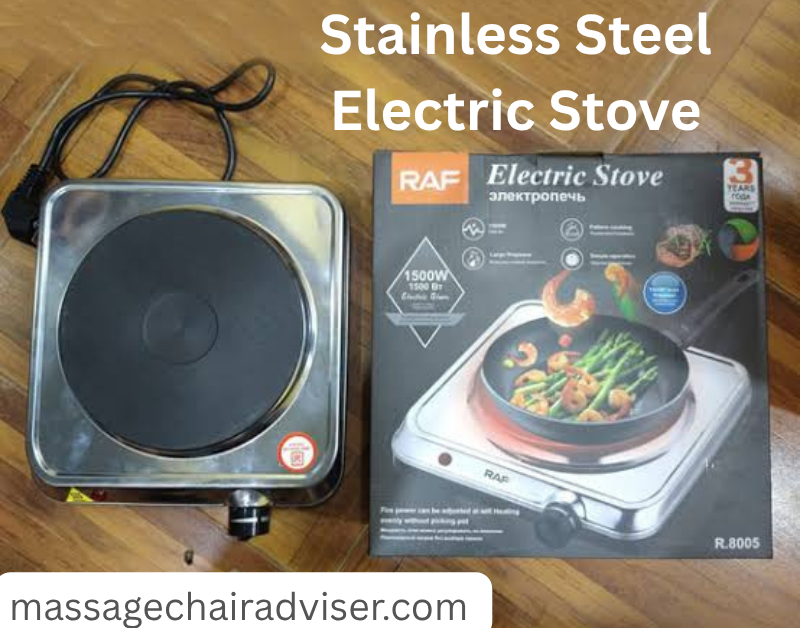
Stainless Steel Electric Stove: The Complete Buying Guide.
An Stainless Steel Electric Stove is among the appliances that will transform the way kitchen looks and functions in the coming 10 years or even. It’s a stand-alone or slide-in range with a stainless-steel body that is powered by electricity, not gas. It utilizes coil or radiant glass tops, or induction elements for cooking. Prices range between $400 and $2,500 depending on the cooktop’s technology and the features you select.
If you’re looking for one at the moment, you’re probably considering several things at the same time: the type of cooktop that best suits your cooking needs, whether your kitchen’s electrical setup can accommodate it, and whether it’s worth the additional price over a painted or black stainless model. This guide will walk you through everything in the order that you’ll require to use it.
What a Stainless Steel Electric Stove Actually Is?
In essence, the Stainless Steel Electric Stove range is essentially two appliances within one unit, with a cooktop at the top and an oven beneath. Its “Stainless Steel Electric Stove” part refers to the exterior finish for the control panel, the body, and handles, not the cooking mechanism itself.
The distinction is more significant than buyers think. There is a similar cooking technology inside (say, a radiant glass top) covered in black, white, or classic Stainless Steel Electric Stove. The finishing affects the appearance the way it looks, how fingerprints are visible, and the appeal of reselling. The cooktop’s type affects how the appliance cooks.
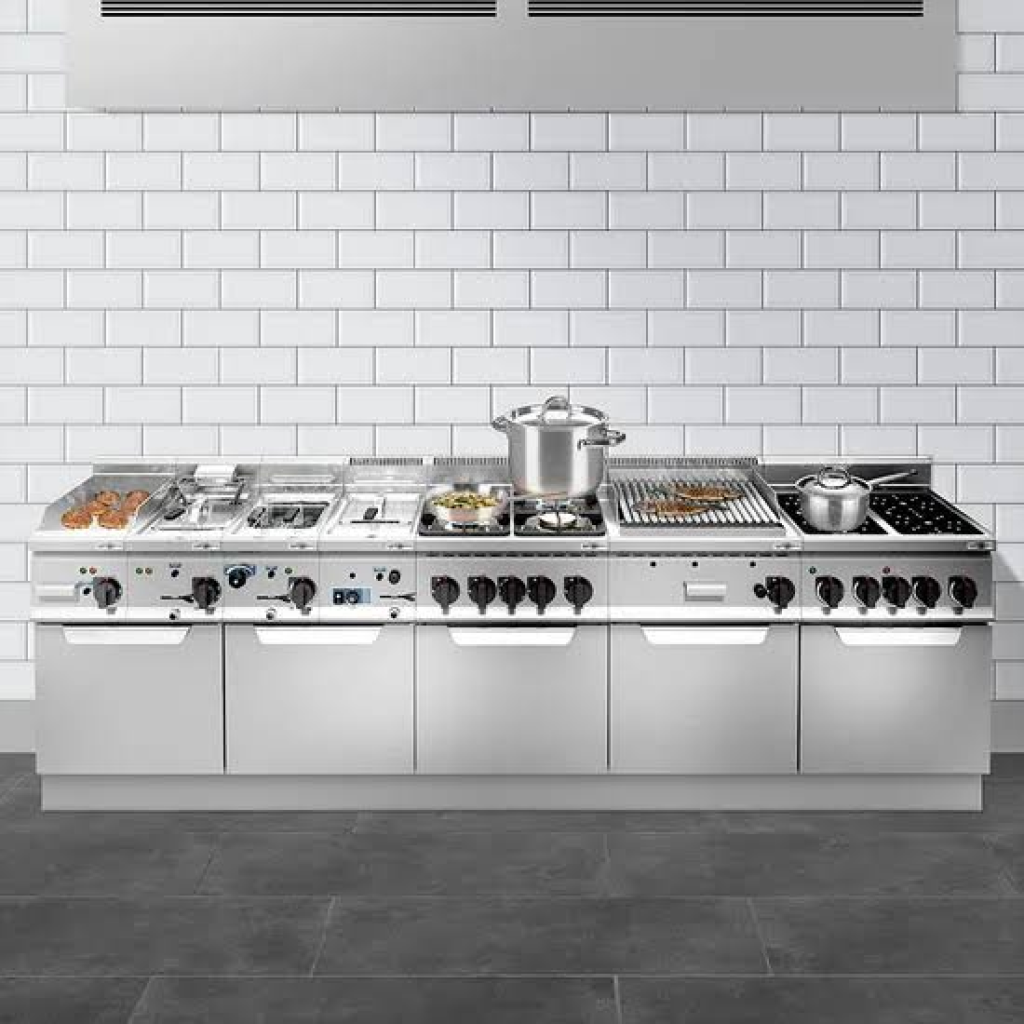
Why Stainless Steel Electric Stove Over Gas in the First Place?
Stainless Steel Electric Stove ranges have covered some ground on gas in the past few years and, for a particular family of people, these are now the more efficient choice.
- There is no gas line required. This alone rules out gas for many homes or rentals, as well as homes with no gas infrastructure.
- A simpler installation in many instances. You need the proper electric circuit. Not just a gas hookup or ventilation compliance.
- Even, consistent heating. Radiant and induction elements disperse heat more evenly than open flames; that is important for baking, in particular.
- Easy cleanup. A flat glass surface or coil arrangement has fewer places to hide than a gas burner.
There’s also a governmental angle worth considering: many cities and countries are using all-electric systems for new homes, which is slowly pushing more people to choose electric appliances regardless of whether they’d choose gas.
This doesn’t mean that electric is all the time “better.” Gas is still able to provide immediate feedback on the visuals when you alter the flame’s intensity that some cooks truly prefer. It’s a tradeoff, not a decision.
The Two Types of Stainless Steel Electric Stove:
It is this decision that is most important, more important than the brand or the finish. Every electric appliance falls into three categories.
Coil (Exposed Element):

The most classic design: metal coils that heat by electrical resistance. This is the least expensive alternative, usually between $400 and $800, and is mechanically simple, which makes repairs simpler and more affordable later on. There are tradeoffs, however. They include slow heating times and a design that reads like it’s from the past in modern kitchens. Cleaning under and around the coils requires more effort than flat surfaces.
Induction:
Induction Stainless Steel Electric Stove employ an electromagnetic field to heat the pan directly, and the glass surface hardly becomes warm. It’s the quickest and most efficient of all three, and the one that Consumer Reports’ testing has consistently rated the highest overall performance of the cooktop. It’s a matter of cookware that is magnetic. Cast iron is a good choice. There are Stainless Steel Electric Stove options. Copper, aluminum, and glass typically don’t, unless they have an underlying magnetic layer.
A simple way to determine compatibility without having to buy new cookware: place an appliance magnet on the base of your pan. If it sticks well, it will work with induction. If it isn’t sticking even a bit, you’ll require different pans.
Induction ranges are priced between $1,000 to $2,500. They use the same electrical configuration of 240V which is utilized in conventional electric ranges. The switch from radiant to induction does not require new wiring; you only need new cookware. The one you have isn’t magnetic.
| Type | Best For |
| Coil | Rent properties, budget buyers and simplicity |
| Induction | Frequent cooks who appreciate speed and efficacy. |
How Much You’ll Actually Pay?
Beyond the traditional cooktop, the price increases with features like convection fans as well as a self-clean cycle, air fry mode, Wi-Fi connectivity, slide-in style (versus freestanding), and larger oven capacities — the majority of full-size ovens range from 5.0 to 7.3 cubic feet.
A rough breakdown of the major retailers:
- Entry – level: Basic freestanding radiant or coil range, manual controls, standard capacity.
- Mid – range: Glass-top auto-clean, convection, more capacity, occasionally intelligent features.
- Premium: Slide-in design, air fry and app control, double-oven options on certain models.
- The most expensive: Full induction, double ovens, professional details.
When shopping from outside of the U.S., treat these as directional, not exact; taxes on imports, VAT, import duties, and local electricity prices all change the figures, often significantly. You should check current prices of national retailers in your country instead of making the conversion to U.S. prices directly.
One expense that can catch many people by surprise is that the delivery or installation and the haul-away of the old appliance are usually separate from the cost of the appliance, and changing from electric to gas (or in reverse) could result in an electrical charge in addition to the cost of electricity.
What Your Kitchen Needs Before You Buy?
This is the one that most people overlook and then regret later. A majority of Stainless Steel Electric Stove ranges that are full-sized require a separate circuit of 240 volts, which is rated at 40-50 amps. A NEMA 14-50 outlet will be your standard. This is a different circuit from the typical household outlet; for instance, if the kitchen does not already include one, you’ll need an electrician before the day of installation, not later.
It is important to verify before making a purchase:
- Cutting width: The standard width is 30 inches. Make sure you know the exact clearance of the model you have chosen.
- Freestanding in comparison to. Slide-in vs. freestanding units are finished with side panels that can be put virtually anywhere. Slide-in units are able to be tucked in between cabinets to create a more built-in appearance but require precise measurements and generally are more expensive.
- Floor load and leveling: Most ovens have adjustable feet; however, an uneven floor could create issues with oven performance.
- Ventilation is not always code-required for electric, the same way as gas; however, a hood for the range is highly recommended, particularly for those who cook a lot as well as oil-based food preparation.
Keeping the Stainless Steel Electric Stove Finish Looking New
The durability of stainless steel is high; however, it’s not easy to maintain, and improper cleaning is among the easiest ways to ruin the finish that is meant to last for 10 years or more.
The essentials:
- Cleanse your skin with a microfiber towel and a specific cleaner for stainless steel. Make sure you are keeping in line with the grain. If you do not follow the grain, it may result in visible streaks.
- Take care with abrasive and steel-based particles and chlorinated cleaners. They can scratch or damage the surface over time.
- Spills should be cleaned quickly, especially ones that contain acid to avoid staining.
- Glass cooktops need to be cleaned from sugar spills promptly in the event that they are burned on the cooking surface, they may cause permanent damage to the glass.
If you reside in a coastal or humid location, make sure to check whether your stove is constructed of stainless steel 304 grade that will resist corrosion better than less-grade options over the decades exposed to humid conditions.
Mistakes Avoiding:
Certain patterns appear time and time again among new electric stove owners:
- When you buy induction, do not check the cooking equipment. Test with a magnet prior to buying, not later.
- Suppose you assume that any outlet will function. Confirm the 240V circuit is in place or plan the cost of an electrician.
- The slide-in is ordered without measuring the cabinet spaces. A half-inch off could mean a return.
- Use the wrong cleaning products for the stainless steel. Abrasives cause damage that can’t be reversed.
- Selecting based on the finish only The cooktop technology underneath influences heating more significantly than end is stainless steel, black white or stainless.
- Safety first Glass and ceramic cooktops can remain hot for several minutes after you switch off the power, posing grave safety risks.
The risk of burning due to heat residual can be a real risk especially for families with children. Induction cooktops are cool to the touch because the heat transfers directly to the cookware; this is why some households with small children turn to them specifically for a safety margin. No matter what type of cooktop you choose, the electrical work that requires 240V requires an accredited electrician, not an attempt to do it yourself.
Electronics vs. the alternatives
| Stainless Electric | Black Stainless Electric | Gas Range | Dual-Fuel | |
| The cost of up-front | Moderate | Moderate-High | Moderate | High |
| Fingerprint visibility | Higher | Lower | Depends on the finish | Depends on the finish |
| Control of the heat | Good (induction: excellent) | Similar to stainless | Excellent, instant | Excellent |
| Installation | Only electrical | Only electrical | Gas line + venting | Electric and gas |
| Best for | The majority of households | Buyers who are focused on style | Cooks are seeking control of the flame | Buyers looking for both the best and worst |
FAQ
What makes Stainless Steel Electric Stoves better over gas?
It depends on the things you value. Stainless Steel Electric Stoves, especially induction stoves, are able to heat faster and uniformly for most tasks. Gas provides instant control of the intensity of the flame. It is all about cooking preferences and the type of kitchen you accommodate.
What is the cost of Stainless Steel Electric Stove?
Most fall between $400 and $2500 and the majority of consumer purchases fall into the $700-$1,500 price range based on the cooktop’s type and features.
Are Stainless Steel Electric Stove cost ranges dependent upon an additional outlet for proper functioning?
Yes. Large stoves require circuits of 240V, 40- 50 amps, in contrast to 120V standard outlets for homes.
Do I need pots or pans for an Stainless Steel Electric Stove cost?
No – both methods provide sufficient heat from their respective sources for maximum performance. On coil and radiant models, it is true that almost any cookware that has a flat bottom is compatible. Induction Stainless Steel Electric Stove is the only one that works if it is magnetic. The product uses a fridge magnet before purchasing.
Do I wash Stainless Steel Electric Stove without leaving streaks?
A microfiber cloth and a specific Stainless Steel Electric Stove cleaner will help clean it; wipe it in the direction of the grain to get rid of the staining along the grain line. Avoid products with chlorinated chemicals since they can reduce the lifespan of your product and cause surfaces to dull over time.
What’s the difference between freestanding and slide-in options?
Freestanding ranges have sides that are finished and can be placed practically anywhere. Slide-in units are flush with cabinets to give a built-in style; however, they require precise measurements and typically cost more.
Does induction really warrant the extra cost?
For frequent cooks who require speed as well as efficiency and the benefit of a cooler-to-touch surface, it can be worth it. Cooks who cook occasionally on a smaller budget can often cook just as well using a radiant device.
What is the length of time Stainless Steel Electric Stoves typically endure?
With normal use as well as regular maintenance, most electric stoves will last between 10-15 years. Certain components, like the heating component as well as the control board, may need repairs earlier.
Conclusion
A stainless steel electric stove isn’t just a one-off item. It’s an option that has two levels: The exterior that you are exposed to every day and the cooktop technologies that decide how it cooks. Make sure that the electrical requirements are met, and then choose either radiant, coil, or induction depending on the way you cook and the cookware you have, and clean the Stainless Steel Electric Stove surface with appropriate cleaning products starting right from the beginning. If you follow this advice, it’s a kitchen appliance that you don’t need to consider for many years.
These information about Stainless Steel Electric Stove are gathered from different surveys, medical tests and tech giants like Reviewed and more. Our top priority is to provide you valuable information about Stainless Steel Electric Stove.
For More Details About Different Electric Stove Click Here.