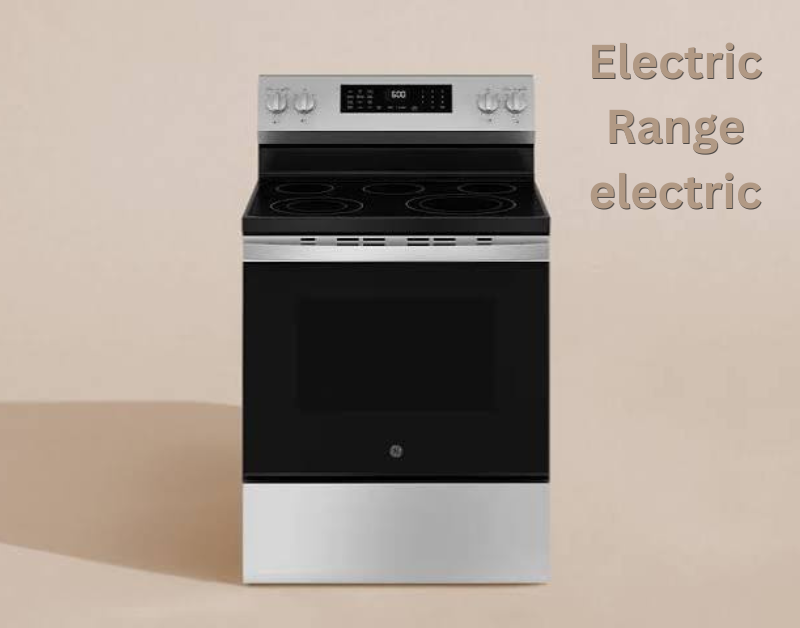
Electric Range Electric Buying Guide: Types, Costs & Installation Explained
Electric range electric are portable kitchen appliance that includes an electric cooktop as well as an electric oven in one unit, powered by a 240-volt circuit. It is available in three primary varieties: smooth-top, coil, and induction, each one with different heating methods, prices, as well as the requirements for cookware.
If you’re considering buying one, you’re likely to be considering many things at once: the type that’s best for the way you cook, how much it will cost after installation is factored in, and whether the kitchen’s wiring is capable of handling it. The last one is a source of confusion for many buyers more than they anticipate; therefore, we’ll spend a significant amount of time with it instead of ignoring it in the same way that the majority of buying guides do.
How an Electric Range Electric Actually Works?
Electric range electric all generate heat through electromagnetic energy or electrical resistance; however, the three primary kinds do it differently, and this can affect everything from the speed of cooking to how easy the unit will be to wash.
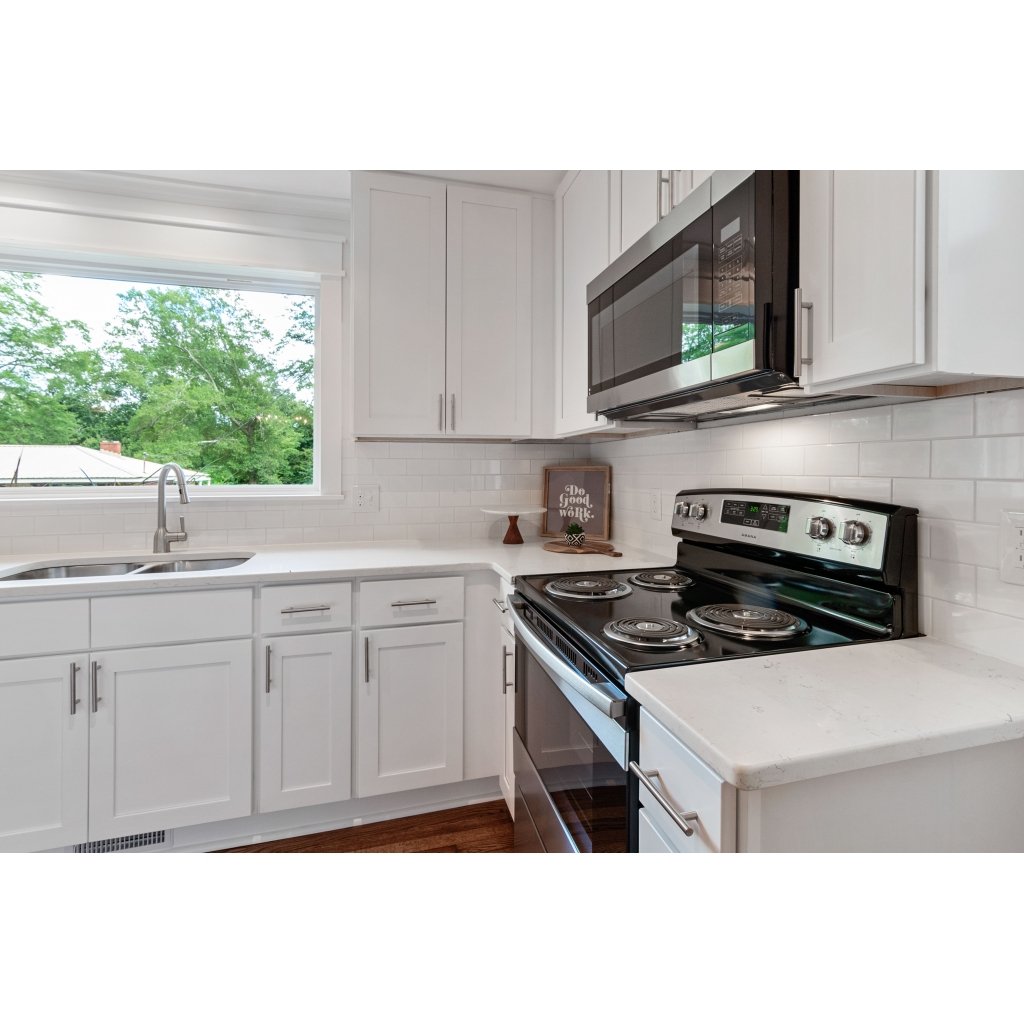
Electric range electrics are generally the most durable options for use in the daytime and the least expensive to fix when a product eventually wears out, and that’s the reason they’re still popular for rental homes. Smooth-tops offer a variety of benefits with a sleek design, are easy to clean, and have a cost that can be adapted to many households without needing an extensive lifestyle change.
The induction process is the place where things can get fascinating. It is able to heat water significantly faster than coil or smooth-top. You can change from a rumbling boil to a soft simmer within minutes, since the heating response is much more precise in real time. It is only compatible with magnetic cookware. Before you commit to induction, conduct a simple magnet test on your current pots and pans – if a fridge magnet sticks solidly to the bottom of the pan, it will be able to work. Copper, aluminum, and a majority of glass cookware will not, so plan at least a part-time cookware exchange if you choose to opt for this method.
Electric Range electric in comparison to. Gas Range and Dual Fuel:
This is where the majority of buyers are stuck, particularly when they’re replacing their old appliances and aren’t sure if they want to completely switch types of fuel.
| Factor | Electric Range electric | Gas Range | Dual Fuel Range |
| Control of the cooktop | Excellent (near-instant even with the induction) | Excellent, visual flame control | Excellent (gas cooktop) |
| Oven heat consistency | Excellent, even baking | Can develop hot spots | Excellent |
| Installation need | Dedicated circuit with 240V | Gas line + ventilation | Both the gas line and the 240V circuit |
| Cost of the initial payment | Lower to mid | Mid | Highest |
| Open flame | No | Yes | Partial |
If baking evenness is more important to you than the control of stovetop flames and evenness, electric range electric is the best choice. Electric ovens generally cook more evenly than gas ovens that can produce hot spots. If you’re already using an existing gas line and you love the tactile and visual control of the flame, dual fuel or gas could be worth the additional setup complexity. There isn’t a generally “better” answer here; it’s all about the things you have in your kitchen and the way you cook.
What an Electric Range Electric Actually Costs?
The price of electric range electrics varies greatly depending on the region, retailer, and currency; therefore, treat them as relative tiers instead of fixed figures:
- The entry-level ranges of coils are the lowest of the market and are the least expensive way to access an electric range electric that is full-size.
- Smooth-top models in the mid-range are more expensive; however, they are still affordable for the majority of household budgets.
- Smooth-tops of the highest quality and the entry-level induction ranges sit in the upper-middle range.
- Professional-looking and premium-quality ranges stand out, usually with additional features like built-in convection as well as ovens with greater capacity and intelligent connectivity.
The cost of the unit is only part of the picture. Delivery, removal of your old one, and installation costs all contribute to the total. And if the wiring of your home isn’t configured to support the new appliance, the electrical upgrade could be the biggest cost item in the entire project, sometimes even surpassing the price of the appliance. This is the one thing that competitor buying guides often skim over, and that’s the section that can catch people by surprise.
(Note: Specific dollar or currency numbers are deliberately not listed as tiers, but rather fixed numbers, as pricing can vary greatly by region and country. Make sure to check with local retailers for the latest prices in your area. )
Installation: What Most Guides Don’t Tell You:
The answer is simple: Most electric range electrics need an exclusive 240-volt 40-50 amp circuit that has a suitable outlet; usually, the latter is NEMA 14-50 (4-prong) or NEMA 10-50 (3-prong), which is fitted by an electrician licensed to work in the event there’s no circuit already in place.
The distinction between 3-prong and 4-prong is more important than it seems. Older homes, specifically those that were wired prior to major changes to electrical codes in their area, typically only possess an older 3-prong outlet. If your new appliance has a cord with four prongs, it will require the adapter (not always code-compliant based on the region you’re in) or a change to your outlet. This is among the most frequently encountered issues buyers face after their new appliances arrive and don’t connect.
An actual installation checklist appears like this:
- Check that you have a 240V circuit, 40N- 50 amps, that is specifically designed for it.
- Determine whether your outlet has a four-prong or 3-prong outlet, and connect it to the plug you’ll be replacing.
- Take measurements of your countertop and cabinet cutouts against the actual dimensions of your range.
- If your wiring needs replacement, then it is advised to employ a licensed electrician. This isn’t a DIY electrical task.
- Verify whether your local authority needs a permit or an inspection of this new system.
- The delivery date should be set, ideally with removal of the unit that was previously there.
Once the bracket is installed, be sure the bracket with an anti-tip is secure, as this is a mandatory safety measure in many places, not an optional addition.
Do not plug a 240V range into a normal 120V household outlet. It’s a fire – and appliance-damage risk, not only an inconvenience. Even if you can check your outlet’s type on your own, installing new circuit wiring should be done by a licensed electrician for safety reasons and because many states have it as a requirement for code conformance.
The electric range electric codes and permit regulations differ for each state, city, and country; therefore, “check your local code” isn’t a lie and is the only correct advice that is applicable everywhere. If you search for “electric range installer near me” or an appliance store within your city, they will inform you in advance if your existing equipment is compatible or needs to be upgraded prior to buying.
How to Choose the Right One for You?
Instead of starting with “which is the best electric range electric,” begin with how you actually cook and the features your kitchen will be able to support:
- Budget-conscious and cook only occasionally: Cooking range
- Family cooking at home and want simple cleanup: Smooth-top.
- Cook frequently, require speed and precision, and are willing to invest in Induction (after confirmation of cookware compatibility)
- Planning to rent or relocate soon: coil or basic smooth-top, in order to limit the cost of sunk costs
- A small-sized kitchen: 24-inch or 30” slide-in model
- Do you already have gas lines but prefer control of flames? Could you consider dual fuel or gas instead?
Your current electrical system in your home typically narrows the choice more than your personal preferences do. It is worth examining the status of your outlets and panel before you decide to fall in love with a particular model.
Features Worth Paying For:
- A convection oven is a type of fan that moves hot air around, providing more uniform and sometimes quicker baking results.
- Self-cleaning process with steam or high-heat cleaning modes that can save you the actual time spent scrubbing
- Bridge components -that connect two burners into one zone to allow griddles and large pans
- Warming zone or drawer can keep hot dishes that are cooked without having to run the oven.
- Controlling the precise simmer is really helpful if you cook many Sauces and delicate meals.
- Wi-Fi and Smart connectivity -remote monitoring and preheat are becoming more commonplace on mid-to-high-end models
- The function of air-frying is nowadays a standard feature on a lot of newer models.
Mistakes People Actually Make:
- Buy induction prior to determining if your current cookware is magnetic
- Assuming the outlet they currently have will function without examining the prong count
- The decision to make is based on the price alone, and then being unprepared for installation costs
- Not taking measurements or buying a range that doesn’t meet the cutout
- A range hood is still worthwhile using, even if you don’t have gas emissions
- Doing away with the anti-tip bracket that is a vital safety requirement is not an official requirement
Maintenance of electric range electric:
- Clean the drip pans and raise them regularly, and then replace the coils as they are worn out or stop heating uniformly.
- Cleaner for induction, which is safe for non-abrasive and ceramic pads, and beware of slipping cookware across the glass, as it will scratch it over time.
- Wipe up any spills as quickly as possible, and especially any sugary substance on glass surfaces, because it could cause etching on the glass if it is left to bake.
If they are maintained properly the electric range electrics can last an average lifespan of 13 to 15 years depending upon the type of model, brand the intensity and if they are kept in good condition (based on estimates from the industry rather than a set number).
Weighing the Trade-Offs:
Electric range electrics aren’t in the presence of an open flame that is a significant advantage for homeowners’ safety. Additionally, their ovens are more even than gas. Induction and smooth-top models are also much less messy to clean than gas grills.
On the other hand, electric range electrics — particularly smooth-top and coil models are typically slower to cool and heat than gas. The running costs are heavily influenced by local electricity rates compared to gas, and so “cheaper to run” isn’t an absolute claim. Induction cookware is specifically required to be compatible, and all electric ranges have one major weakness that gas ranges with a standing pilot ignition don’t have because a power failure can shut down the entire thing as well as the cooktop and oven.
If none of the three options feel quite right for your cooking needs, alternatives include dual fuel ranges (gas cooktop and electric oven) or standalone cooktop-and-wall-oven units; portable induction burners offer an inexpensive way to try induction cooking before investing in an entire range.
FAQ
Does induction cooking have better health benefits than gas or electric range electric?
There’s no strong evidence to suggest that cooking with induction is significantly “healthier” — it’s much more about speedier, more efficient heat control, which is more precise and can make it more difficult to overcook. The health effects stem more from cooking practices rather than the source of heat.
Do I have the ability to change my gas range into electricity?
Yes, but typically, it involves sealing the gas lines and then adding the 240V circuit where the gas line used to be. This typically involves an electrician (or gas tech) as well as an electrician.
Which is the typical duration of electric range electrics?
Between 13 and 15 years is the typical estimation for normal use and routine maintenance. As with anything electrical, voltage requirements vary based on its model, usage and maintenance needs.
Are any appliances not requiring at least 240V?
Full-sized appliances often need at least this amount of voltage for optimal functionality.. If you are unable to connect to a circuit like that, then a small 120V induction burner or compact countertop oven is a most practical alternative, but not a full-size model.
What’s the reason my electric range electric is not warming evenly?
On coil and smooth-top models, this could be an indication of a worn or damaged heating element. For induction, it’s most likely to be a cookware compatibility problem or sizing issue. The pan must match the size of the magnetic field that is generated by the burner.
What is the size of an electric range electric I need to purchase?
The 30-inch range is considered to be the typical dimension for kitchens. 24-inch models are ideal for small kitchens and apartments, while 36-inch models are ideal for larger kitchens, where the additional cooking space is worth it.
Does induction make sense even if I already have cast iron or stainless steel cookware?
Often yes -cast iron as well as much stainless steel cookware is magnetic and can be directly affected by induction. It is worth testing your particular products with a magnet before concluding that the pieces are compatible, because some stainless steels aren’t magnetic.
Conclusion
Choosing an electric range electric is a matter of two things: how you cook and what the kitchen’s electrical system will actually allow. Electric range electrics are ideal for budget-conscious households and rental homes, smooth-top models work well for homes, and induction cooktops are worth the extra expense when you cook frequently and are willing to match it with the proper cooking equipment.
Before buying something, make sure you check your current circuit’s capacity and outlet type. It’s the part the majority of guides leave out and is the one most likely to delay the timeline of your installation. After that, choosing a model of stove according to the budget you have set and cooking preferences is the easiest part.
These information about Electric Range Electric are gathered from different surveys, medical tests and tech giants like Reviewed and more. Our top priority is to provide you valuable information about Electric Range Electric.
For More Details About Different Electric Stove Click Here.