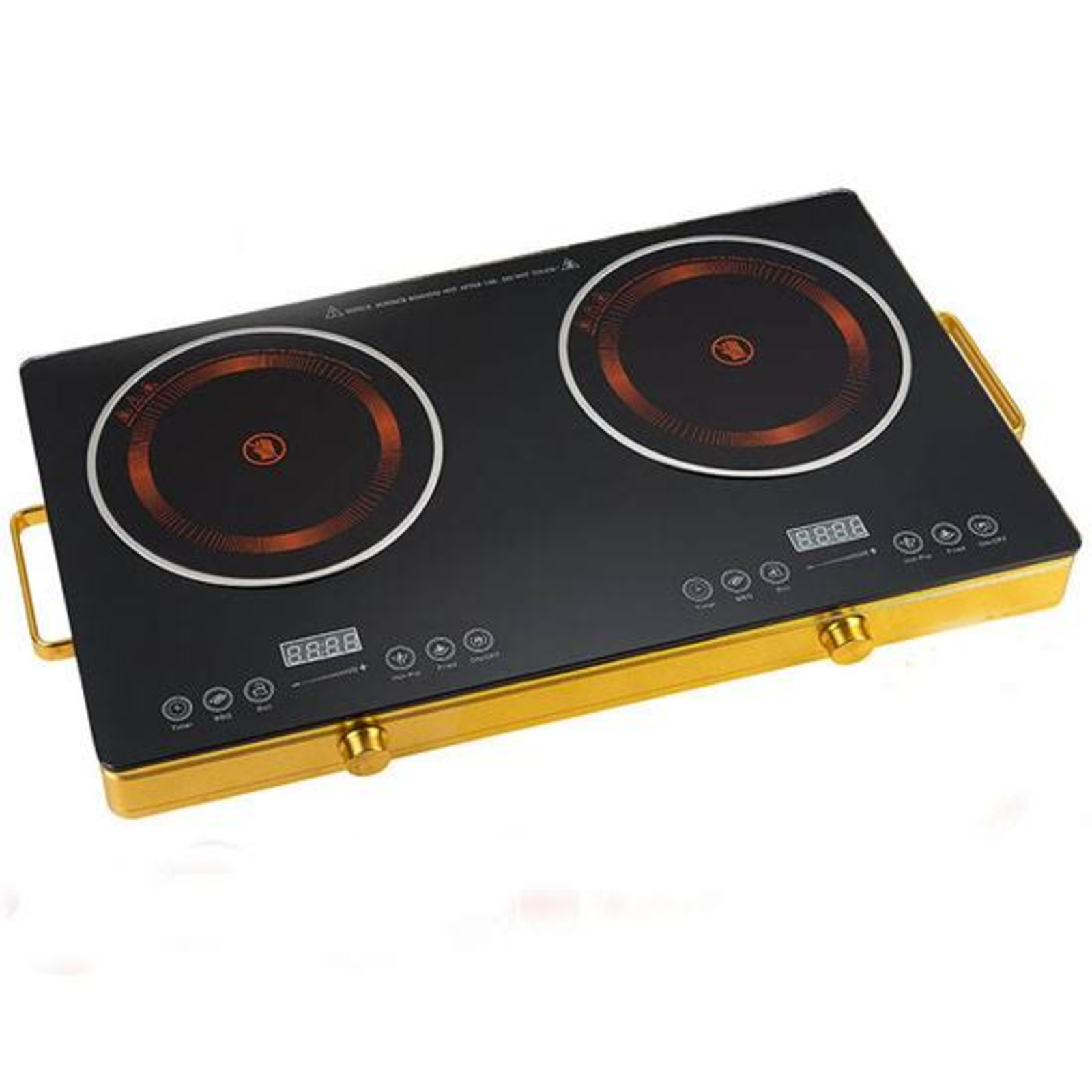
Electric Cooktops: Types, Costs & Installation
If the kitchen you’re in doesn’t have gas lines, or you’re done with cleaning the grates and battling burning flames, the electric cooktops may be at the top of your list. “Electric cooktops” isn’t one product; it’s three different technology brands with the same title. Picking the wrong one can be a huge expense to make back.
This article explains exactly the ways that radiant, coil, induction and electric cooktops differ. the process of installing them, as well as the costs associated with every stage, and questions people tend to ask when something goes wrong, such as the electric cooktops condition when there is a power interruption or the reason it is tripping the breaker.
What are Electric Cooktops?
Electric cooktops are constructed stovetop devices that create heat using electricity from the home instead of gas. It is installed flush with an opening in the countertop. A wall oven typically accompanies it. This is the main difference between a cooktop and an oven (where both the oven and cooktop are a single unit).
Outside of North America, the same appliance is usually referred to as the electrical hob. It’s an important distinction to be aware of in the event of comparing goods from UK, EU, or Australian stores, as the terms are different; however, the technology isn’t.
Electric cooktops are available in three basic types that include visible coil burners and seamless radiating (glass-ceramic) areas, as well as induction surfaces that utilize electricity instead of direct heat transfer. Every one of them behaves differently, and what is considered to be the “best” one really depends on your kitchen, the cookware, and the method you use to cook.
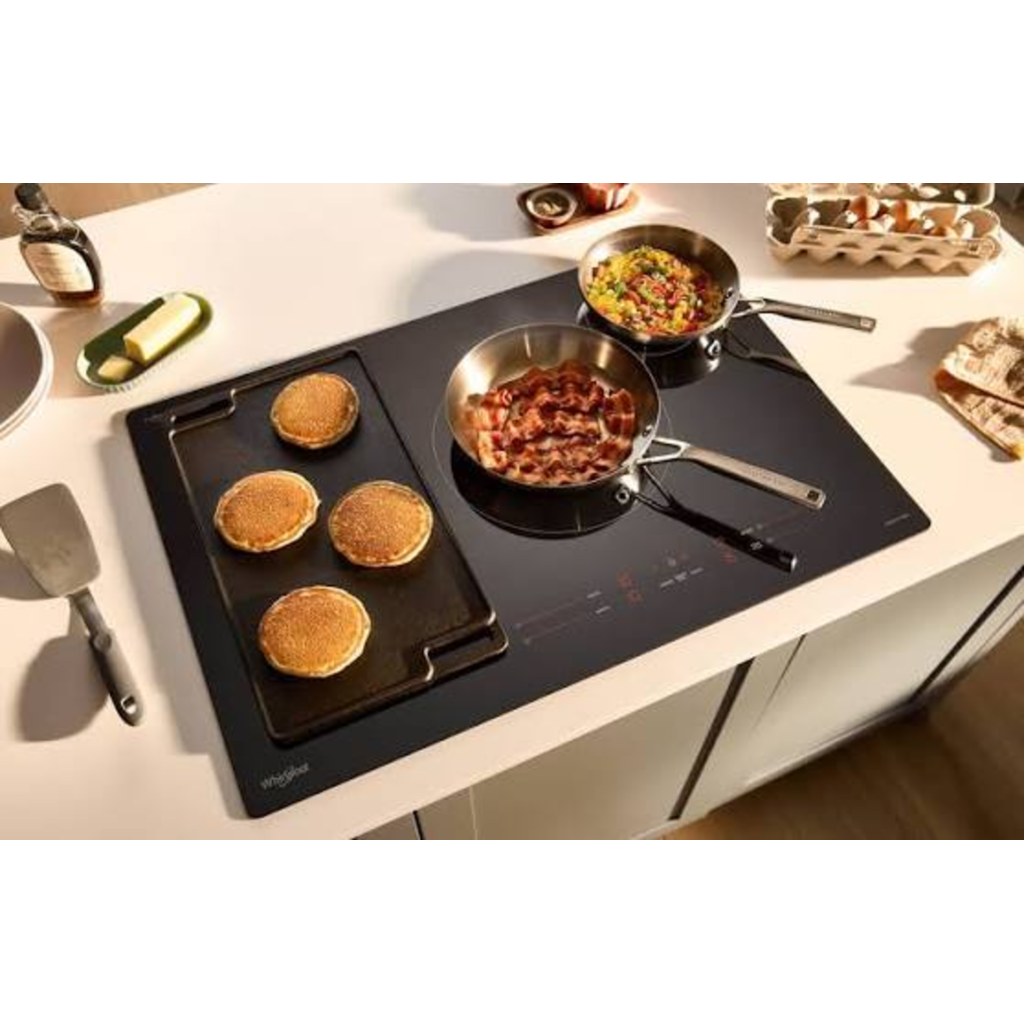
Why Electric Cooktops Are Worth Considering?
There’s more to it than the need to avoid a gas connection. Electric cooktops, specifically induction cooktops, have been consistently among the most efficient energy-saving cooking methods available. This is because the majority of heat is directed directly to the cooking pan, instead of warming the air surrounding it.
They are also appropriate in certain scenarios:
- Condos or new construction that do not have an existing gas line.
- Kitchen remodeling when the idea of installing the gas line from scratch is not feasible or isn’t permitted.
- Households are focusing on the quality of indoor air as there’s no burning of open flames in the kitchen.
- Safe homes, especially with induction, where the cooking surface itself is cooler than gas or radiant.
This isn’t the most universal of upgrades. If the cookware you have comprises mostly copper or aluminum, induction can be frustrating until you upgrade it, and more details on that later.
The Three Types of Electric Cooktops
1. Coil Electric Cooktops
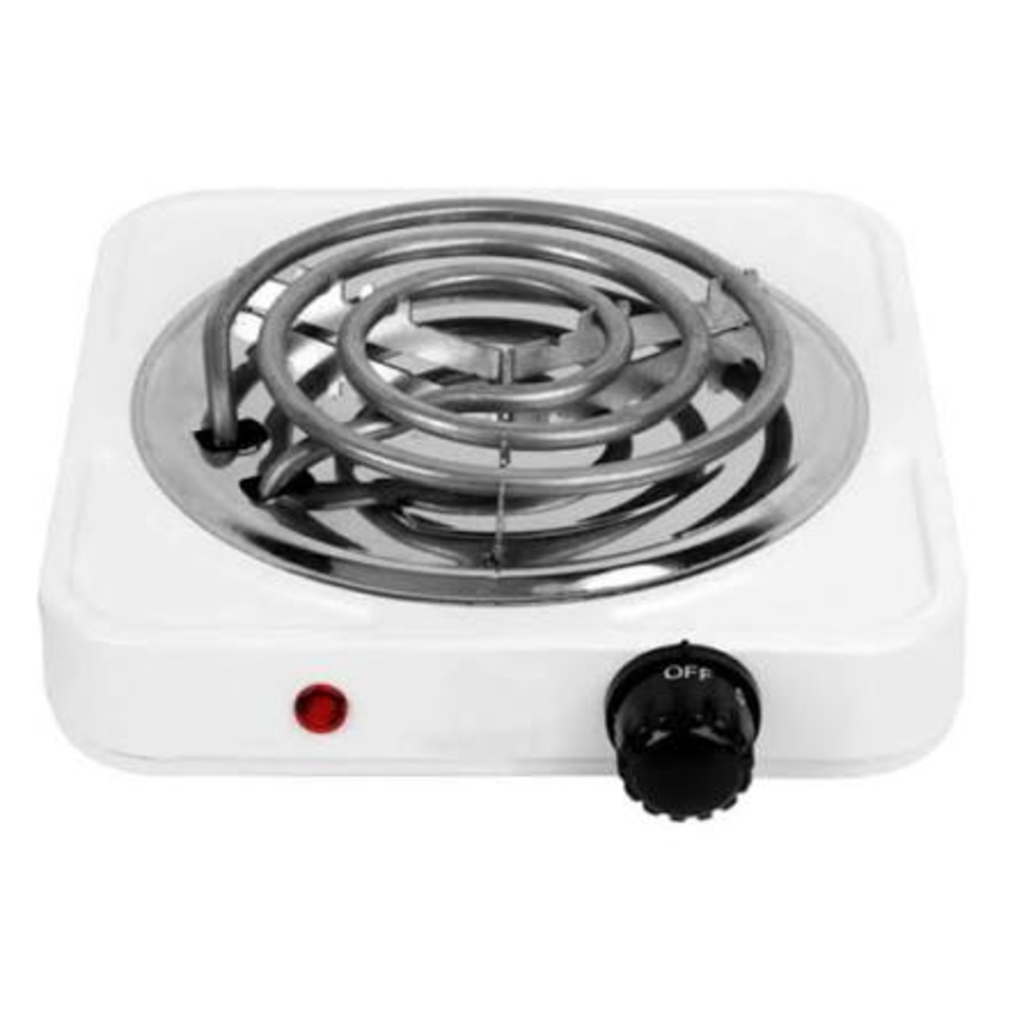
The original and most affordable electronic format. Metal coils that are exposed to heat directly and transmit that heat into the cookware via contact. They’re cheap, simple to fix (coils can be removed) they can be used with flat-bottomed cookware. However, they can be difficult to keep clean because of inequities in distribution of heat and their slow response to temperature fluctuations.
2. Radiant (Glass-Ceramic) Cooktops
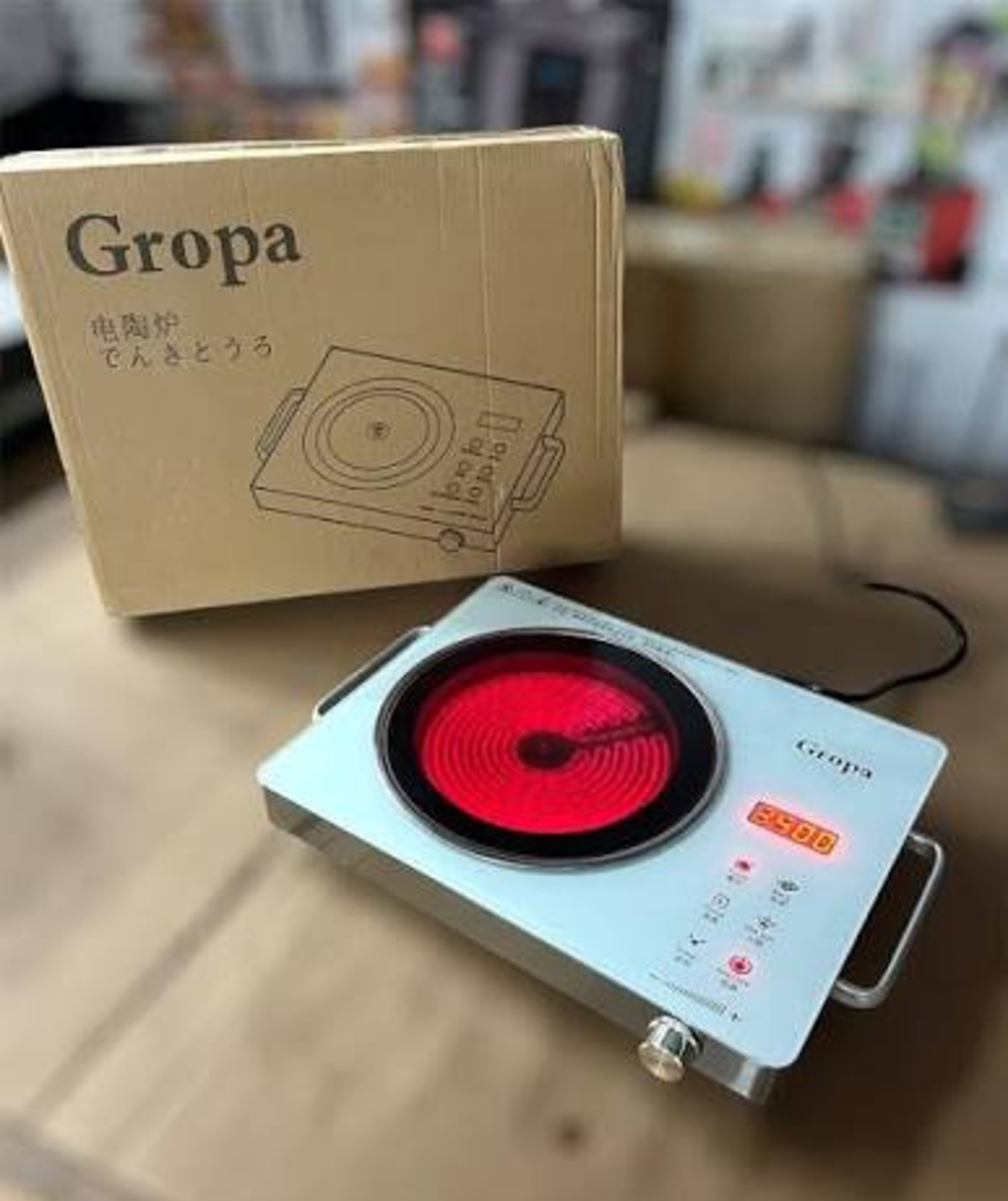
Heating element set upon the smooth surface of ceramic and glass. The heating element is glowing and radiates warmth upwards through the glass and into the cooking pan. It’s the middle way: more attractive and easier to turn off than coils, and less expensive than induction, but still compatible with conventional flat-bottomed cookware.
3. Induction Cooktops
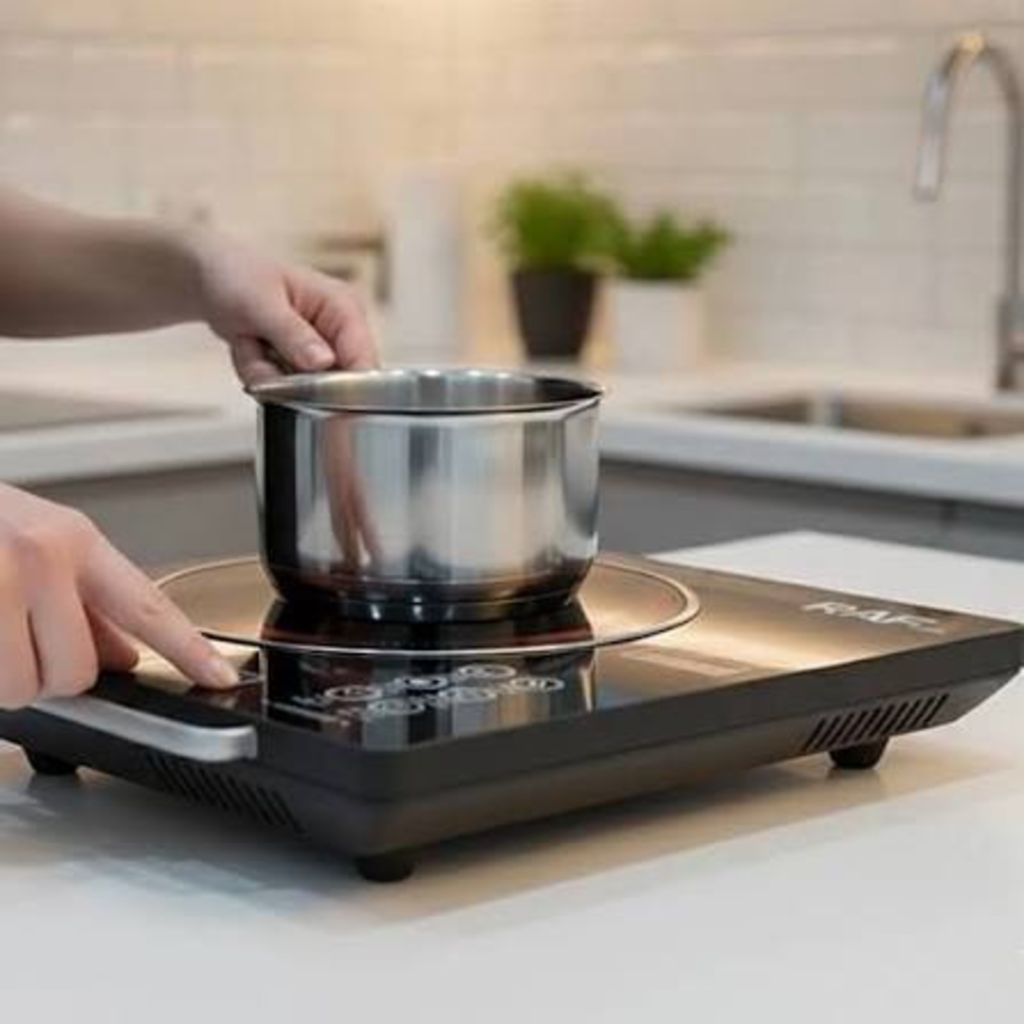
Instead of heating an object to heat the pan, induction generates an electromagnetic field under the surface of the glass that creates the heat directly in the cookware. The glass’s surface remains remarkably cool, and the response is almost instantaneous and is generally the cheapest option among the three.
Induction can indeed be used only with the use of magnetic (ferrous) cooking equipment such as cast iron, and the majority of stainless steels do; however, pure copper, aluminum, and glass cookware doesn’t cook at all. It is easy to test your cooking before purchasing a new cookware product.
A test to determine the presence of magnets is: place a fridge magnet at one of the sides. If it stays, it’ll be able to work with induction. If not, you can budget for cookware that is compatible with induction or radiant cooking instead.
Quick Comparison:
| Type | Surface | Typical Unit Cost | Heat Response | Cookware Needed | Cleaning |
| Coil | Exposed metal coils | $200–$500 | Slow | Any flat-bottom pan | Moderate–hard |
| Radiant/Ceramic | Glass-ceramic | $400–$1,200 | Moderate | Flat-bottom pan | Easy |
| Induction | Glass-ceramic | $900–$3,000+ | Fast | Magnetic cookware only | Easy |
Prices are generally in ranges that vary by brand, size, and location.
Electric Cooktops Vs. Gas Vs. Dual-Fuel:
It’s important to consider electric cooktops against other options, as this is where the choice really begins.
| Factor | Electric Cooktops | Gas Cooktop | Dual-Fuel Range |
| Works without a gas line | Yes | No | No |
| Precision control | High (best with induction) | High | High |
| Energy efficiency | High (induction highest) | Lower | Mixed |
| Upfront cost | Low to high, by type | Moderate | Higher |
| Cleaning | Easy (radiant/induction) | Harder (grates) | Harder |
| Works in a power outage | No | Often yes (standing pilot) | Partial |
The last one is surprising to many users: unlike gas stoves that have a pilot light, electric cooktops and stoves of any kind are completely dependent on electricity, including induction. If power outages are frequent, depending on where you reside, it is important to factor this into the equation, either as a cause for concern or just an excuse to have an extra burner in the kitchen.
Who Should Buy Electric Cooktops (and Who Shouldn’t)?
Electric cooktops can make the greatest use of
- homes without a gas supply
- For those who are looking to renovate and want a simple-to-clean floor
- Cooks who are looking for induction-like speed as well as precision
- Any person who is focusing on a lower risk of burns by using a cooler cooking surface
It’s a less apt fit for:
- Homeowners who have an entire collection of non-magnetic cookware and aren’t in a position to buy a new set
- Regions in which electricity is considerably higher than gas.
- Homeowners in areas that are prone to outages with no cooking backup options
For remodelers, retailers, and contractors who source on behalf of their clients, the same tradeoffs for different types can be found at scale — induction models typically have better margins; however, they need more knowledge about compatibility with cookware.
Radiant coils and units are strong, low-friction choices to renovate your home on a budget.
How to Select the Correct One:
Prior to using your cooking apparatus, be certain to conduct an initial check. Run the magnet test prior to falling in love with an Induction model.
- Verify your electric panel. A majority of cooktops will require 40-50 amps and at least 240V.Check that your electrical panel can accommodate this, or plan to upgrade.
- Choose your preferred method. Lowest cost points to coil. The best balance between appearance, ease of use, and cost points for radiant. Top efficiency and performance points for induction.
- It is a match to the way you cook. Regular, meticulous cooking (searing and boiling quickly delicate sauces) can benefit the most from radiant. Basic cooking or occasional meals are very well-served by the radiant.
- Take measurements of your cutout. Check that your planned or existing countertop opening is in accordance with the style from the maker. The 30” and 36” widths are among the most commonly used; however, the exact specs are dependent on the particular model.
- Installation Requirements: What You Should Expect? This is where guidebooks of competitors tend to skip over this is usually when the true cost surprises come up.
Each electric cooktops requires:
- A 240V dedicated circuit that is rated to the appliance in question (check the label on the appliance -Don’t make assumptions)
- Cutouts for countertops that are properly sized
- Clearance that is code-compliant from cabinets or walls. Also, any cooker hood.
- In the majority of cases, you need an electrician licensed to work on the wiring, and an inspection permit for the installation.
The local cost as well as needs vary: permit rules, requirements for panel upgrades, as well as electricity pricing structure (flat-rate and time-of-use) each differ significantly depending on the municipality and utility company. Older housing will require upgrading the panels prior to a cooktop’s circuit being able to even be installed. If you’re looking for “electric cooktops installer near me” or “Electric cooktops repairers near me,” search for electricians who are licensed as well as appliance dealers that provide installation services and verify their certifications, licensing, as well as insurance prior to scheduling.
Cost Breakdown:
| Cost Component | Typical Range |
| Unit price (coil) | $200–$500 |
| Price per unit (radiant) | $400–$1,200 |
| Unit price (induction) | $900–$3,000+ |
| Basic installation (existing circuit) | $150–$400 |
| New 240V circuit installation | $300–$800+ |
| Upgrade the panel, if necessary | $1,000–$3,000+ |
The running costs are heavily influenced by the electricity rate in your area; however, induction is generally the least expensive to run day-to-day due to its efficiency advantages.
Safety and Certification:
Find a recognized safety certificate before purchasing a product -such as UL for North America, CE in the EU, and CSA for Canada. Induction models should specifically conform to the electromagnetic compatibility requirements of the IEC 60335 series.
Some safety rules you can easily miss:
- Be sure to follow the manufacturer’s clearance specifications for cabinets and other materials in the vicinity of and above the unit.
- Install the circuit or have it verified by a licensed electrician, and then have it inspected in accordance with local code.
- Induction or not, the pan is hot. The “cool surface” advantage doesn’t ensure that there is no possibility of burns.
Common Mistakes to Avoid
- If you are buying induction, make sure to test cookware compatibility first
- Assuming that any thirty” opening fits any 30” cooktop; always confirm the cutout template exactly
- Doing the electrician a favor and putting on an insufficiently sized or rated circuit
- Installing a cabinet that isn’t rated for the clearance
- Cleaning glass ceramic surfaces using abrasive scrubbers can cause scratching
- A range hood is worthwhile for grease and steam, even if you don’t have gas combustion products
Troubleshooting: When Something’s Not Right
Two subjects are often brought up enough to warrant discussing in detail:
The cooktop continues to trip the breakers. This usually points to an insufficient circuit, a wiring problem, or a faulty heating element that is drawing greater current than it needs to. This isn’t an easy DIY solution and requires an electrician licensed to identify the issue.
A particular area that is heating unevenly. On coil and radiant models, it’s usually an element that is worn. In the case of induction, it could indicate that the cookware isn’t in full contact with the base or it’s not sufficiently magnetic across its entire base; it’s worth running the test of magnets at the exact spot which isn’t performing.
Maintenance Checklist
- After each use, clean induction and glass ceramic areas using a ceramic cooktop cleaner specifically tailored for this use.
- Choose cookware of appropriate size and flat bottomed design in order to prevent uneven wear on surfaces.
- Do not slide rough or heavy pans across the glass.
- Make sure you clean up any spills before they start to burn on.
- Test knobs and control surfaces regularly for responsiveness.
- Seek help from a specialist If you notice an error code, unbalanced heating or stink.
A Note on Portable Induction:
If a fully integrated unit isn’t feasible for renters with smaller kitchens, anyone who wants to test induction cooking before making a purchase can use portable induction burners, which provide the same heating technology as a countertop unit, typically for less than $150. It’s a risk-free way to test whether cooking induction is right for you prior to buying an induction cooker with a built-in feature and brand-new cookware.
FAQs
1. Are electric cooktops cheaper to operate over gas?
It depends on the local rate of electricity and gas prices; however, electric cooktops that are induction tend to be the most energy-efficient cooking method that is available. This results in lower running costs over the course of time.
2. Do I have to put every pan that I have on the electric cooktops?
No. Only cookware that is magnetic works: cast iron and the majority of stainless steel are suitable; however, pure aluminum, copper, and non-magnetic cookware can’t be heated. Try it with a fridge magnet prior to purchasing.
3.How long will electric cooktops have to last?
The cooktops of a well-groomed kitchen will last between 10 and 15 years, if properly maintained. the induction cooktops typically last longer than others due to the fact that they do not have so many moving components which wear out over time.
4. Electric cooktops require particular wires?
Yes — most require a separate 240V circuit. It should be installed by an electrician licensed and checked per the local code.
5. What is the difference between induction and radiant electric?
Induction generally offers greater efficiency and better control, but it’s higher upfront, and it requires compatible cookware. Radiant is a great alternative when you don’t need to replace your cookware.
6. Do I have to install an electric cooktop by myself?
Setting the unit in the cutout may be completed by a savvy DIYer; however, the electrical connection must always be made by an approved electrician for safety and code compliance.
7. Can electric cooktops function even during power outages?
No. In contrast to gas cooktops that have an open pilot, each type of electric cooktop, which includes induction, requires power in order to operate.
8. Why is my electric cooker continue to break the circuits?
The reason for this is often the circuit being too large, or an electrical issue or an inefficient heating component. It’s the responsibility of an electrician to find the problem and fix it, not DIY.
9. Which size of electric cooktops do I require?
Standard residential widths are 30” or 36”; however, always verify the specific cutout for your countertop and the template provided by the manufacturer prior to purchasing.
Conclusion
The best electric cooktops boils down to three factors: what the cookware is composed of, what features your electric panel is able to support, and the way you cook from day to day. Coil is the most affordable alternative, while radiant is the best all-rounder, and induction offers the most performance and speed for those looking to combine it with the proper pans.
Before buying a new one, conduct the magnet test on the current cookware and confirm that the cooktop can handle the 240V voltage (or plan for an upgrade), as well as an accurate cutout measurement for that exact cooktop you’re looking at. It’s enough to prevent the three biggest regrets that people face when they install a new cooktop: not having the right cookware, incorrect dimensions, and an installation expense they didn’t expect to pay.
These information about electric cooktops are gathered from different surveys, medical tests and tech giants like Reviewed and more. Our top priority is to provide you valuable information about electric cooktops.
For More Details About Different electric stove Click Here.