Types, Power Needs, and Safety:
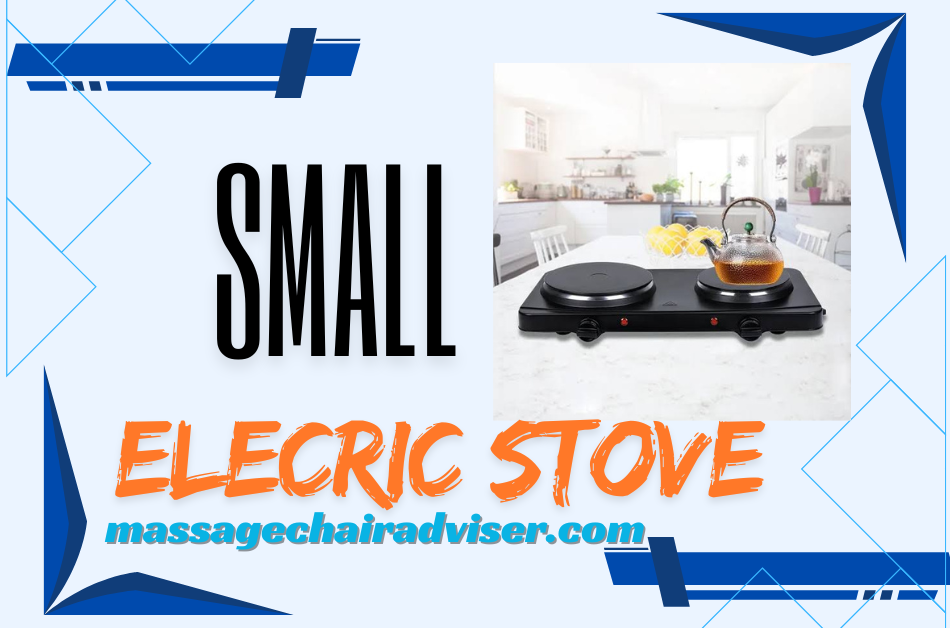
An small electric stove may be defined as a compact appliance that plugs directly into walls — usually having one or two burners specifically designed for spaces without an electric line or large range. A lot of people look for appliances like these in kitchens that aren’t big enough or dorms don’t allow burning open flames, an RV needs a well-designed cooking setup or the family requires an alternate method of cooking after the stove that is used for cooking fails or power goes out.
This scenario is more prevalent than many guides to buying suggest. A small electric stove isn’t just an efficient space-saver, but in the eyes of many purchasers, it’s a viable solution for a particular problem such as no gas hookup, a landlord’s guidelines, limited square footage, or the necessity of something that is portable. Finding out which model will solve your needs and how much power it generates is often the area where people are stuck.
How a Small Electric Stove Works?
A small electric stove transforms electricity into heat using three methods: a coil component, an infrared/ceramic glass surface, or an induction loop. The differences between them are more than what the majority of roundups suggest.
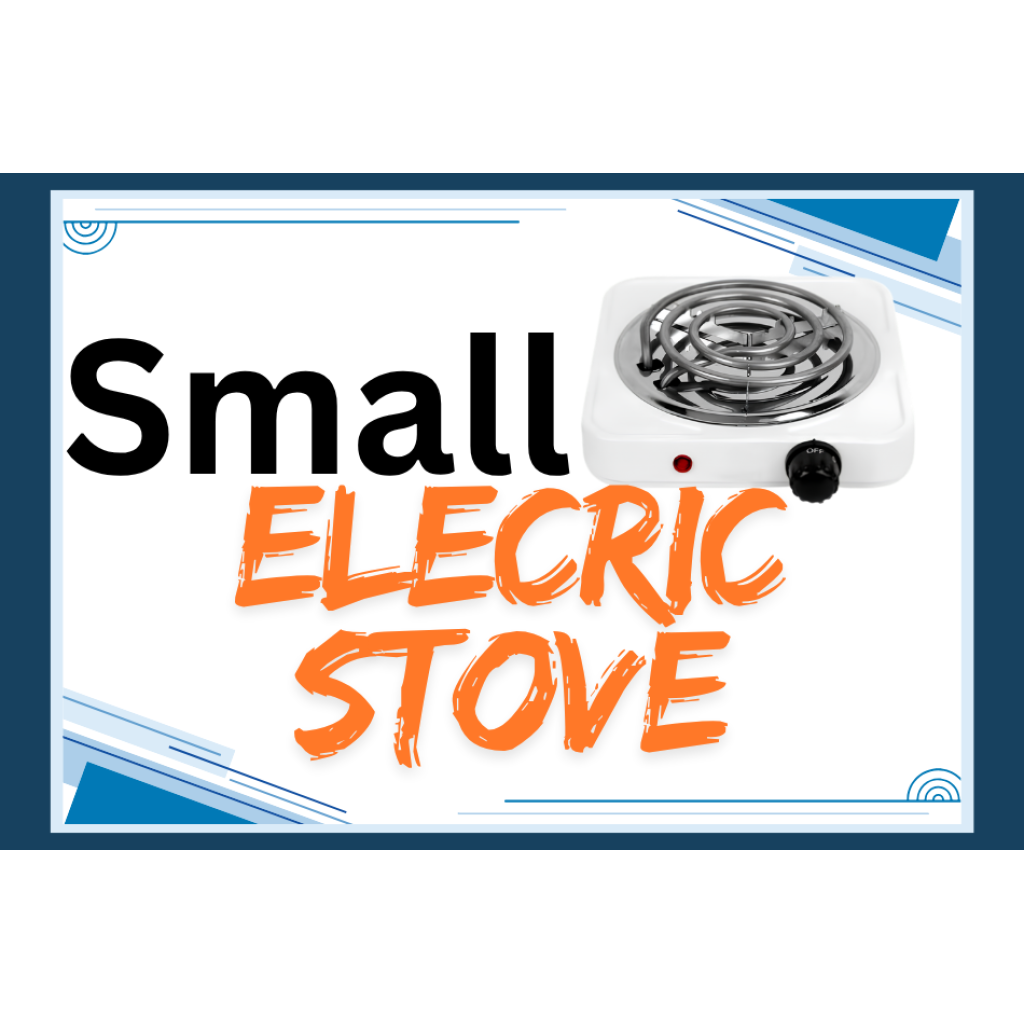
Cooking small electric stoves that use coils make use of an exposed metal component that is heated by electrical resistance, and then transfers this heat directly to your cookware upon contact. They’re the earliest and most affordable choice, and can be used with virtually any cookware; however, they’re also the slowest to heat and most difficult to clean.
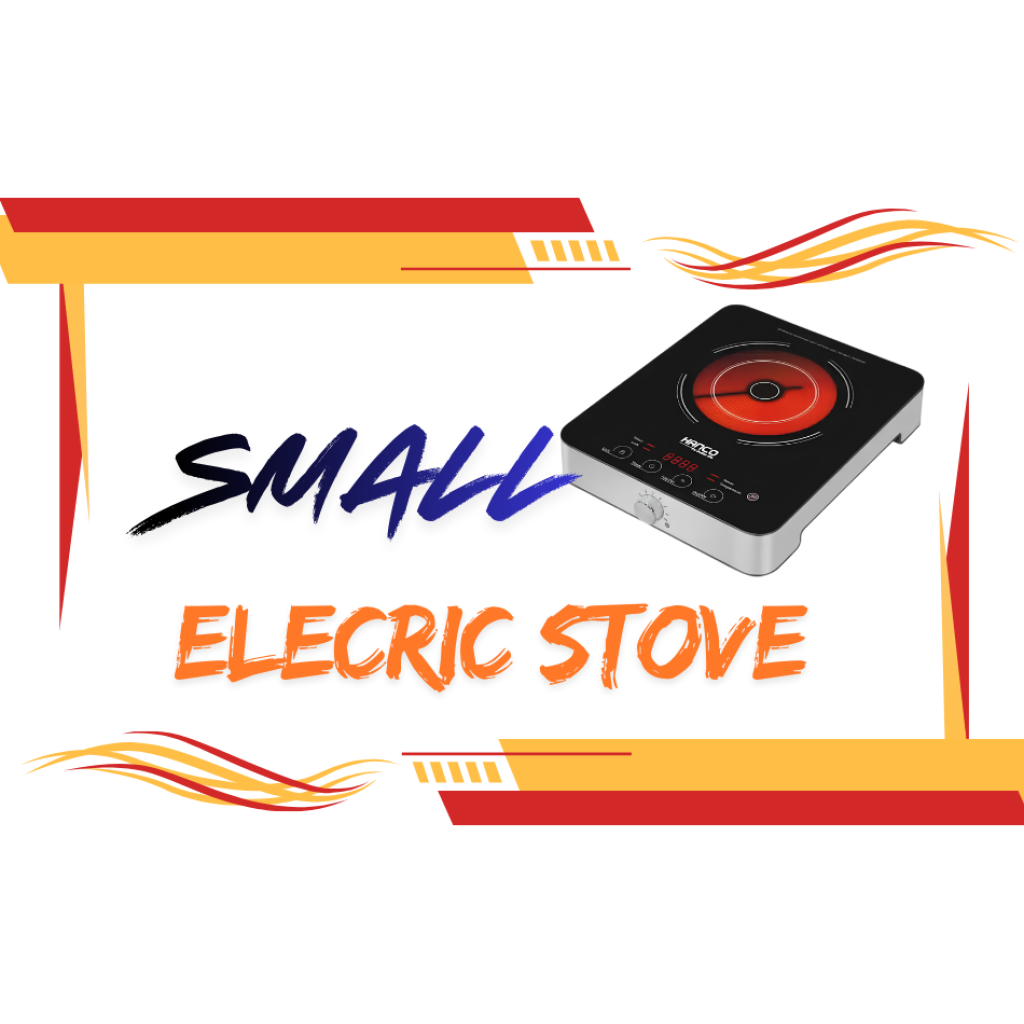
Ceramic and infrared small electric stoves conceal the heating element underneath a glass-like top. The heating element emits heat upward to the glass. This is then used to warm your cookware. Its distribution of heat is much more even than a coil stove because the glass surface is simple to clean up, but it remains warm for a few minutes after shutting the switch off.
Induction small electric stoves are the latest and the most energy-efficient among the three. Instead of heating the element, which then cooks the food using induction, the process generates magnetic fields that create heat for the cookware. This means faster boiling as well as tighter temperature control and a surface that remains at a comfortable temperature, but only if the cooking equipment is magnetized.
This is a bigger problem for buyers than any other issue: buyers purchase an induction small electric stove and find out that their current pots and pans aren’t compatible with it. Before buying, conduct the magnet test – place a refrigerator magnet on the base of your cooking pot. If it sticks, it’ll function on induction. If it does not stick and it doesn’t heat, it won’t work.
Who Actually Needs One small electric stove?
Small electric stoves address different issues for different types of individuals, and that’s part of the reason that so many kinds are available:
- Apartment dwellers and renters: With no gas line or the restrictions of landlords on open flame.
- Students at colleges: The majority of dorms prohibit cooking over open flames but permit. Enclosed electric burners with the wattage limit.
- Van-lifers and RV homeowners: Who wish to cook but not haul propane tanks.
- Households planning for power outages: Or who require something that is able to run from the Generator or portable station.
- Small-scale enterprises: Food trucks, cafes, caterers, and short-term rental hosts — that require a backup or supplementary cooking station, but not an entire commercial range.
- Adults over the age of 65 or with limitations in mobility that can benefit from a light appliance that doesn’t have to bend down to reach a low oven.
Timing is crucial, as you need it. A small electric stove can earn its living whenever a full range is not available, limited, or otherwise unneeded, such as a temporary kitchen during a remodeling project or a micro-apartment. It’s also an emergency plan for the few days in the year when gas or the grid will not work.
Coil Vs. Infrared Vs. Induction:
| Type | Heat-Up Speed | Efficiency | Cookware Needed | Typical Price (USD) | Best For |
| Coil | Slow to medium | Lower | Any flat-bottomed pan or pot | $20-$45 | Tight budgets, backup use |
| Infrared / Ceramic | Medium | Moderate | Any flat-bottomed pan or pot | $35-$80 | Easy cleanup, even heating |
| Induction | Fast | Highest | Cookware that is magnetic only | $60-$150 | Speed and precision, a cooler surface |
If price is the only issue, then coil is a winner in cost, but it loses out in efficiency and speed over time. If you already have magnetic steel or cast iron, induction can be worth the investment upfront because it is able to heat quicker, is less energy-intensive in the form of stray heat, and its cool-touch surface is extremely safe for children and pets.
Wattage and Amperage: The Part Most Guides Skip:
This is where the majority of buying guides fall short — and is where buyers are actually in trouble: broken breakers that have tripped, extension cords that have been overloaded, or a kitchen appliance that cannot run on the power source they’ve got.
Less powerful small electric stoves generally employ between 1500 and 1800 watts, depending on the dimensions of the burner as well as its capacity. Single small electric stoves operating at lower power levels may use anywhere between 500-1,001 watts; in contrast, fully powered double burners may use over 1800 watts.
Watts can be calculated simply: Volts multiplied by Amps. A standard 120V US house outlet connected to a circuit capable of handling 15 amps could support 1850 Watts of energy use. This is the total circuit’s capacity, not just the stove’s component. If a refrigerator, microwave, or space heater is located on the same circuit, it’s possible to break the circuit well before your stove is at full power.
It’s a question that comes up frequently for those who own RVs and are planning for outages: can a small electric stove be run by the power of a generator or portable station? Generally, yes: a one-burner cooktop with a power range of 500 to 1,500 watts is compatible with most smaller portable power stations and small generators, as long as its continuous power rating is greater than the stove’s maximum draw. Double-burners and models that draw 1,500-1,800 watts will require the use of a generator or power source that is rated higher because heaters draw energy in continuous flashes, not short bursts.
The rule of thumb is to make sure your small electric stoves wattage is equal to the energy supplier’s continuous rating and not the maximum or surge rating. Don’t think an insignificant power bank designed for laptops or phones will manage a kitchen appliance.
Safety Essentials:
The majority of product reviews contain “safety features” without explaining what they actually protect against. What is important in the real world:
- Labels for certification -The labels such as UL (US), ETL, or CE (EU) confirm that the appliance has passed an independent safety test for electrical safety. If you do not have this certification, a budget model can be a significant risk, not a mere formality.
- Auto shut-off and protection against overheating shut off power instantly if the appliance gets too hot or is idle, which is the most important thing in kitchens that aren’t supervised or homes with children.
- Dedicated circuits: Plugging an appliance with a higher wattage into a circuit that is already crowded with big appliances is the primary reason for tripped breakers, as well as for older electrical wiring and outlets that overheat.
- Ratings for extension cords: A cord that is not rated to the wattage of your stove could cause overheating even though the stove operates perfectly. If you have to utilize one, ensure that the rating is in line with or even exceeds the draw of your stove.
- Positioning: Place it on an even, non-heat-resistant solid surface, away from curtains, papers, or unprotected wood cabinetry, with a couple of inches of airflow.
One issue that pops up often, especially with regard to cooking induction small electric stoves, is the possibility that electromagnetic fields could pose a risk for those who have pacemakers. Manufacturers typically recommend maintaining a safe distance from the surface of cooking to avoid any risk; anyone who has a pacemaker or other implanted device should consult the manufacturer of their device or a physician rather than relying solely on general guidelines for appliances.
A Simple Decision Framework:
Instead of navigating through a different “top 10” list, sort what is important to you by following this sequence:
- Power source compatibility — outlet voltage, circuit amperage, or generator/power station rating
- The number of cooktops -one burner for cooking on your own or for travel, and two for households with two people or more
- Cookware that you already have. If you don’t have magnetic cookware, take into account new cookware costs prior to going induction.
- Weight and portability -Campers and RV owners should be looking for units that weigh under 5 pounds.
- Security certification, shut-off functions
- Budget: Consider weighing the cost of induction’s initial costs versus the long-term efficiency of induction.
Putting these things in order, instead of beginning with price, you can steer away from the most frequent regret: getting an appliance that isn’t expensive but isn’t suitable for what you cook.
Regional Differences:
The voltage standards differ by country, which impacts pricing as well as compatibility.
- UK as well as EU households are using 220-240-volt outlets, which can allow for higher wattage units to be used with a standard outlet; always verify CE certification prior to purchasing.
- Australia adheres to an identical 230-volt standard. Verify local compliance markings prior to buying.
- India has a high demand for both low-cost coil cooktops and induction models, but the stability of voltage can differ by region, which makes surge protection a worthwhile feature to add.
When shopping in your home country, or shopping from a foreign retailer, make sure you check the plug’s type and voltage rating prior to your purchase — an appliance designed for 230V may not perform as well or not perform at all when connected to a 120V circuit, and vice versa.
Buying for a Business:
The small electric stoves can be small and aren’t only an exclusive residential segment. Cafes that fill the kitchen with food, food trucks that require backup stations, short-term rental hosts who provide the small electric stoves and dorms, and hospitality companies that have multiple rooms purchase these small electric stoves in large quantities.
When it comes to business, it is important to consider durability in frequent use, the availability of replacement equipment, as well as a predictable power draw across several units connected to an electrical network, which is more important than appearances. Bulk buyers should confirm that the certification is valid for every unit that is part of a batch and not just a sample -a crucial oversight to avoid when purchasing at scale.
Maintenance and Lifespan:
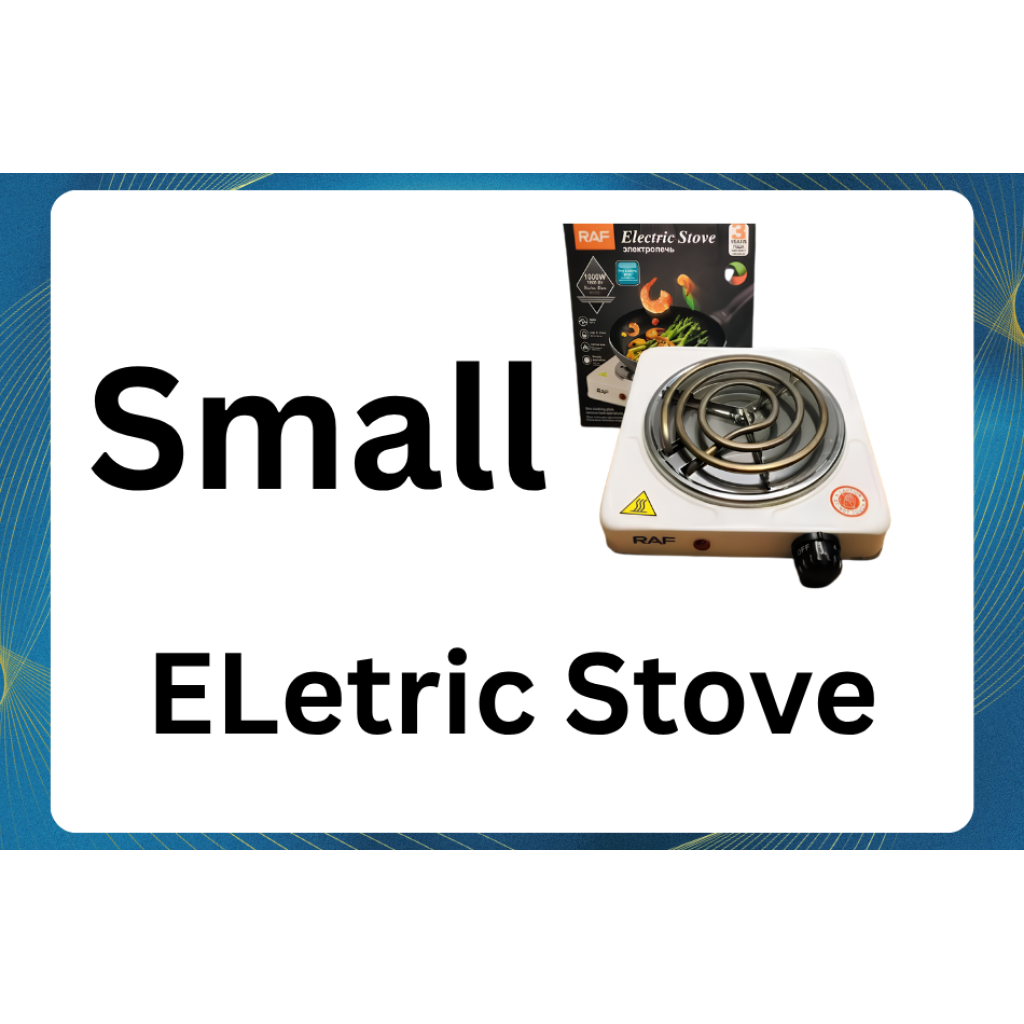
A clean, compact small electric stove will last from between three and seven years subject to the build quality and how it is used. Coil stoves must have drip trays that are cleaned regularly in order to keep the stove from accumulating grease. Additionally, the ceramic and glass tops should be cleaned using non-abrasive products in order to keep them from getting scratched. The power cord should be checked regularly to see if it is fraying. Keep the unit dry and dry; humidity is the primary cause of corrosion to the internals of the unit in RV and coastal locations.
FAQs
1. What if a small electric stove could be powered using an electric generator or portable power station?
Yes, as long as the source’s constant power rating is in line with the small electric stoves maximum draw. Single burners that range between 500-1500 watts can typically be used with most mid-sized power stations; double burners and induction units require a more powerful source.
2. Are small electric stoves with electric ignition suitable for dormitory environments?
A lot of dorms prohibit open flame cookware, but they permit heated electric hot plates which are enclosed, or induction cookers, with specific wattage limitations. Make sure you check your institution’s rules before purchasing.
3. Are cooking induction small electric stove safe in the event that you are wearing an implanted pacemaker?
Manufacturers typically recommend maintaining a safe distance the cooktop induction to guarantee safety. Anyone who uses an implanted pacemaker or other similar device should consult with their doctor or the maker of the device.
4. Can an small electric stoves run using a normal electrical outlet on the wall?
Yes — the majority of single and double-burner models are designed for common outlets in the home. However, make sure the circuit doesn’t have other high-draw appliances in order to prevent tripping the breaker.
5. What’s the difference between coil, infrared, or induction cooktops?
Coil heats through direct contact with an element -the least expensive, but the slowest. Infrared/ceramic beams heat across glass surfaces for more even cooking. Induction cookware heats through a magnetic field. This is the fastest and most effective. However, it requires cookware that is magnetic.
6. How much will a small electric stove cost?
Basic coil models begin at around $20-$45. Ceramic models with infrared are priced between $35 – $80. Cooking induction ranges between $60-$150, dependent on the space as well as the type of model.
7. How can I tell if my cookware will work with an induction cooker?
Simply hold a refrigerator magnet up against a pot or pan center in order to determine compatibility with an induction cooker. If it stays firmly, then it’s magnetic and should work. If not, induction-compatible cookware such as magnet stainless steel or cast iron may be required for optimal use.
8. How long should an electric stove of smaller size last with regular cleaning and storage?
Most models typically last between three and seven years with proper care taken to preserve them. However, this is contingent on the quality of the construction as well as the frequency of use and various other factors in the environmental like humidity.
Bottom Line
Selecting a small electric stove depends on three factors: the cooking equipment, the power source, and the way you’ll utilize it. A student requires a different stove from an RV proprietor, and a cafe that is equipped with backup stations has distinct priorities from households planning for the next power downtime; however, the process of making a decision is similar.
Begin by checking the power source of your outlet or generator’s capacity. Then, determine if your cookware is induction or not, then take a look at the cost of coil, infrared, or induction against the budget and the speed you’ll need for it to warm. Make sure you have these three points in place; then the number of burners, the brand, and the price will fall into place quickly.
These information about small electric stove are gathered from different surveys, medical tests and tech giants like Reviewed and more. Our top priority is to provide you valuable information about small electric stove.
For More Details About Different electric stove Click Here.