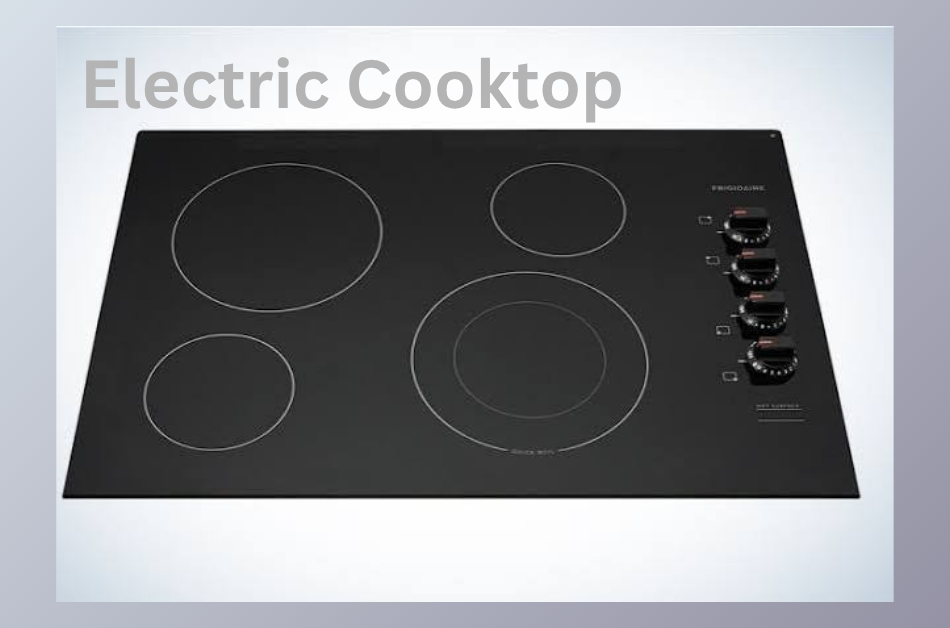
Electric Cooktop Guide: Types, Costs, Installation & Buying Tips
Look at electric cooktop types, prices, and installation requirements to find the perfect one for your kitchen’s budget and your cooking style.
If you’re planning to renovate your kitchen or replace an old stove, you’ve likely encountered a myriad of confusing terms – radiant ceramic, smooth-top induction- used to describe the same concept. A cooktop with an electric motor is a constructed cooking surface that runs on electricity, not gas. It is usually incorporated into a countertop cutout, with a wall oven under or next to it, as opposed to a freestanding range, which is just the cooking surface.
For those who don’t have an existing gas line – tenants, apartment dwellers, or owners of electric-only buildings- this is typically the preferred way to go. However, “electric cooktop” isn’t one product; it’s a class that has distinct differences in quality, safety, and cost. Making sure you choose the right one the first time can save you from a costly surprise in the future, such as discovering that the cast iron cookware you love isn’t compatible with the new induction-based surface.
This guide will explain exactly what each of them does and how much they cost in addition to the procedure of installing them and the best way to decide the best one for your kitchen.
What Is an Electric Cooktop, Exactly?
An electric cooktop that has electrical motors is one kind of stovetop that produces heat electronically, instead of burning an open flame. It is typically built directly into the counter, and is connected to a circuit with the voltage of 240 volts. It’s within the same category of energy used by big appliances such as dryers, which are powered by electricity.
This category has a variety of names based on the location you’re looking at: electric stovetop, built-in electric cooker (common across UK as well as Australian listings), and electric range top or glass-topped stove. All of them are pointing to the same family of products; however, with local name variations.
The confusion usually begins with subtypes. Retailers frequently employ “ceramic,” “radiant,” and “smooth-top” interchangeably when they’re actually describing the same technology underpinning them from different angles, and more details on that later.
How Electric Cooktops Actually Work?
There are three primary heating techniques, and knowing them is the most important thing you can do before purchasing.
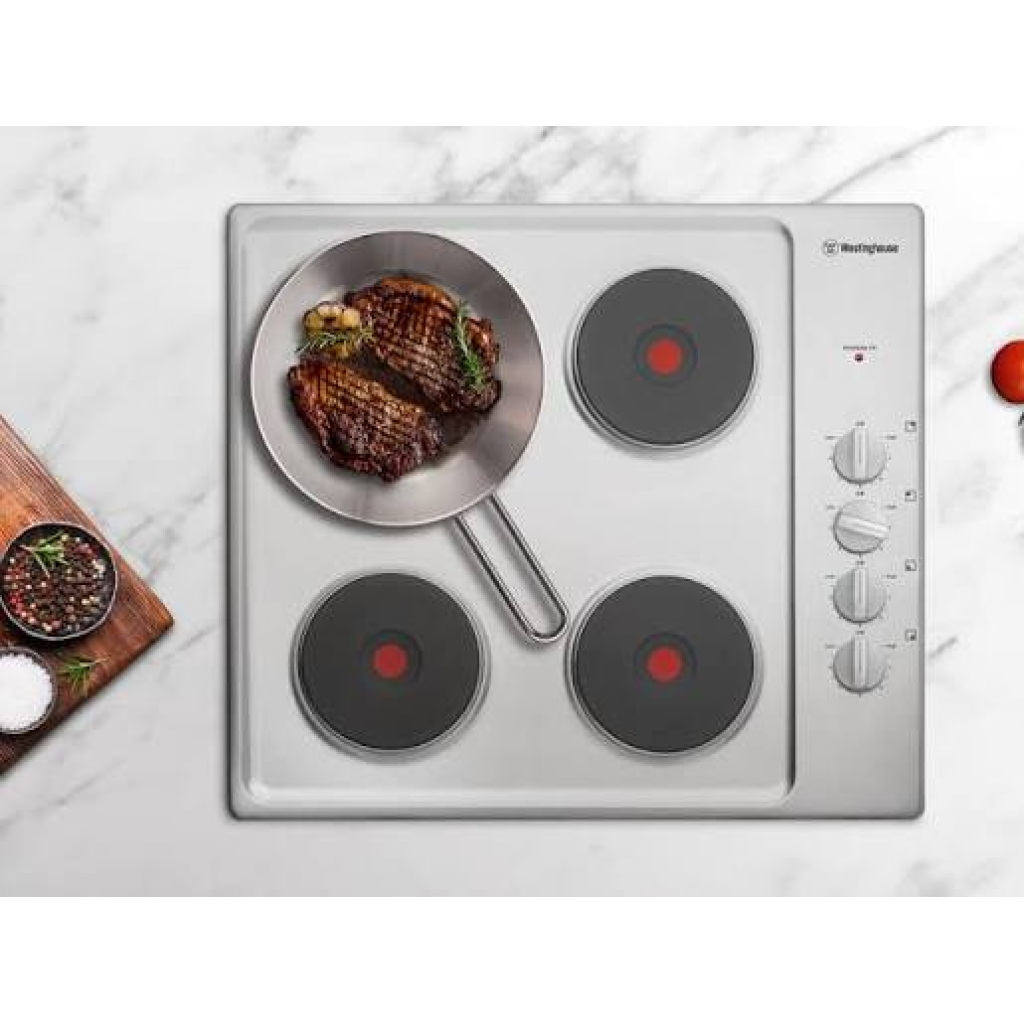
Electric Cooktops with coils: make use of exposed metal coils that heat through electrical resistance, then transmit this heat directly to the bottom of the pan. It’s the oldest and most basic electric cooking method that is still in use today.
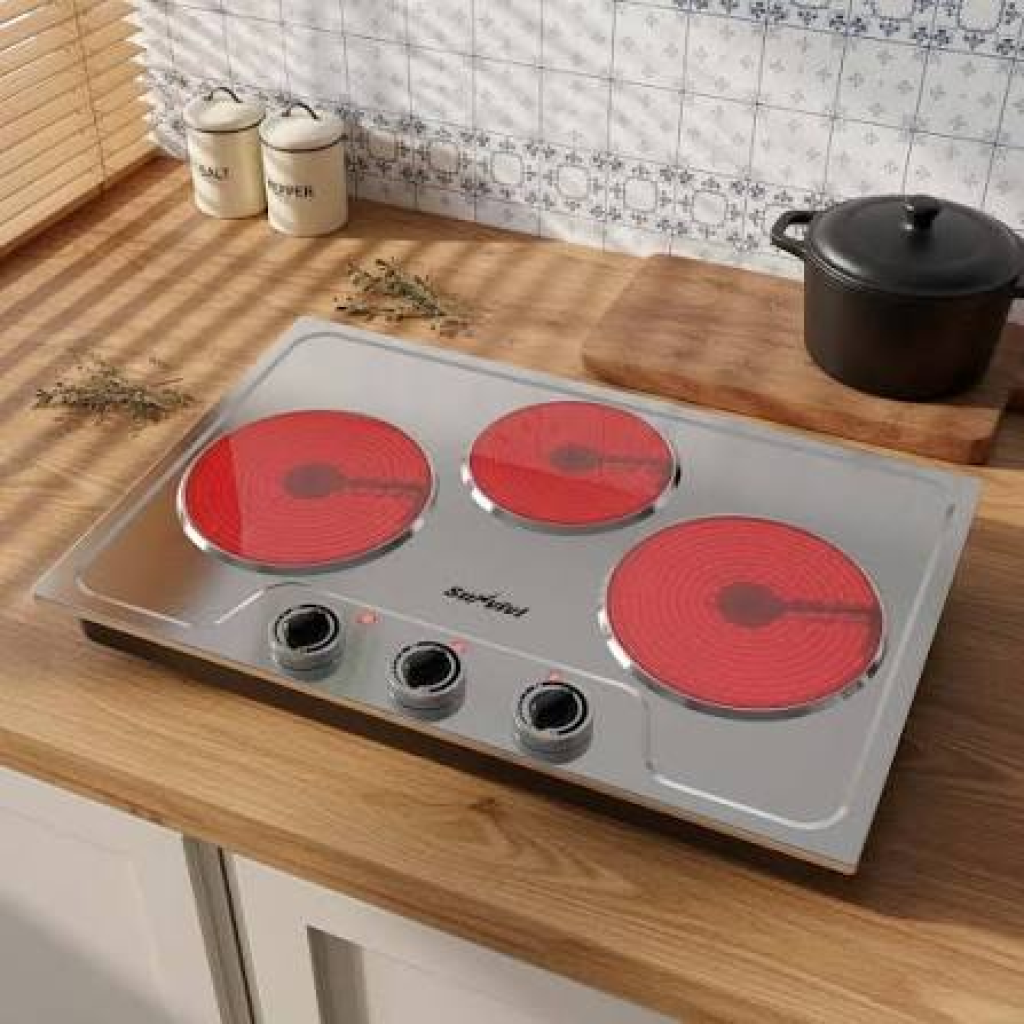
The radiant electric cooktops: which are also known as smooth-top or ceramic cooktops put the heating element under a glass-ceramic sheet. The glass gets heated up and releases that heat into the cookware. This is the reason “radiant,” “ceramic,” and “smooth-top” all describe the same thing: the top made of ceramic glass. The principle of heating is radiant heat; “ceramic” describes the material, while “smooth-top” describes what it is like.
Induction electric cooktops: operate differently. In lieu of warming the surface, they create an electromagnetic field which generates warmth directly within the cookware itself, provided that the cookware is constructed of a magnetic material such as the magnetic steel of cast iron. This is the reason why the surface stays cooler to the touch and is why induction is thought to be the most secure and efficient choice for electric cooking.
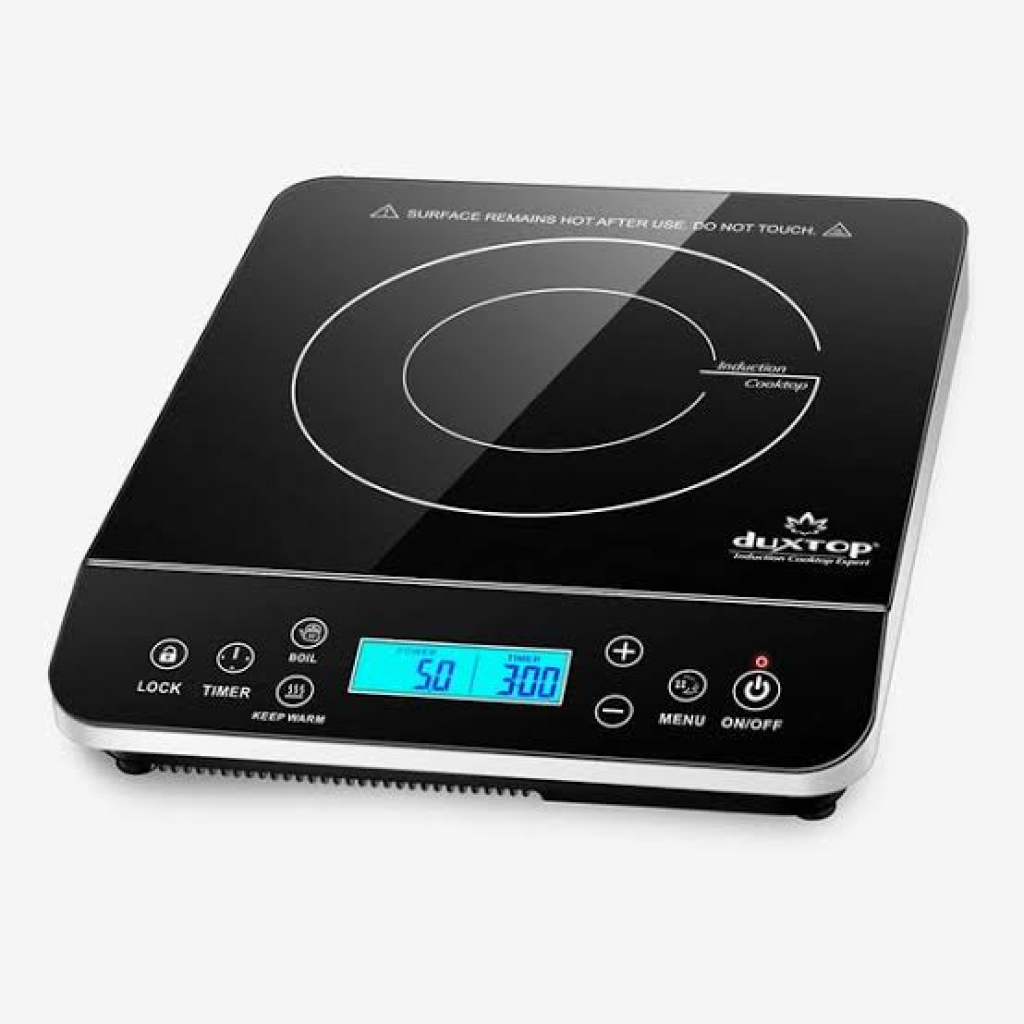
Types of Electric Cooktops Compared
| Type | Heating Method | Speed | Cookware Requirement | Typical Price Range |
| Coil | Metal coil with resistance | Slow to moderate | Any flat-bottomed pan | Budget-friendly |
| Radiant / Ceramic / Smooth-top | Element under glass | Moderate | Flat-bottom pan | Mid-range |
| Induction | Electromagnetic field | Fast | Cookware that is magnetic only | Higher-end |
| Hybrid (mixed zones) | Combination | Fast/moderate | Mixed | Premium |
A quick method to test whether your cookware works on induction is to apply a fridge magnet against the base of the pot. If it stays firmly, it’s compatible. If not, the pan, no matter how good it is, will not be able to heat up on an induction surface.
Electrical is a synonym for. gas and. Induction: Which One Actually Fits Your Kitchen?
This is generally the point when the final decision is taken and is based on a limited amount of actual-world elements and not abstract requirements.
| Factor | Electric (Radiant) | Gas | Induction |
| Installation need | Dedicated circuit 240V | Gas line | Dedicated circuit 240V |
| Control of heat | Moderate | Visual flame, high | Very precise |
| Efficiency | Moderate | Lower | Highest |
| Cookware | Any flat pan | Any pan | Magnetic only |
| Cleaning | Easy, smooth surface | A lot more involved (grates) | Easiest |
| Touch safety | Moderate | Lower (open flame) | Highest (cooler surface) |
If your home doesn’t have a gas line, and installing one isn’t feasible electric is the sensible choice. The only question is which kind. If you cook using woks, or need instant feedback on your flame gas has a slight advantage. If you’re after accuracy, speed and the lowest risk of burn (a typical concern for families with young children) Induction is typically better than the upfront expense.
A limitation that is worth mentioning Electric cooktops, such as induction cooktops, cease to function completely in the event of a power failure. Gas cooktops that have standing pilot lights might continue to function. This is a minor issue that you should be aware of when you live in a place with frequent interruptions.

What Does an Electric Cooktop Cost?
Prices can differ significantly based upon the retail store, the country and brand tier. Therefore, think of these as general estimates instead of precise figures:
- Electric Cooktops that have coils are at the center of the marketplace and are the cheapest alternative.
- Ceramic cooktops with radiant surfaces fall in the middle-tier and reflect their more contemporary glass surfaces and wider features list.
- Electric Cooktop induction will cost you more in the beginning in the beginning, with hybrid and premium models being at the top end of the cost range.
To top off the unit’s cost, installation usually adds electrician’s labor to run the 240V circuit and maybe permit charges based on the jurisdiction you reside in. If you’re replacing an electric cooktop by a comparable model, the process of installation is typically easy. If you’re switching to gas or if your electrical panel requires a change to accommodate an upgraded circuit expenses could increase noticeably. Because the cost of labor and code requirements differ from country to country — and sometimes even from city to city, the most reliable method to determine a precise number is to ask for estimates from a few local electricians who are licensed instead of relying on an average number.
Installing an Electric Cooktop: What’s Actually Involved?
Here’s an example from an actual-world situation of the process:
- HTML0 Verify your electrical capabilities. A majority of cooktops with electric cooking require a 240V high-amperage circuit that is dedicated to them. Some older homes may need the upgrading of panels so that they allow this.
- Make sure you check the cutout’s dimensions. Measure your existing counter opening in relation to the new model’s specifications sheet. Induction and radiant models don’t necessarily have the same requirements for depth similar to older coil units.
- Employ an experienced electrician. This isn’t optional in all places and has a reasons that are valid: improper wiring with 240V can pose a serious danger to your life and can cause shock or fire. Some manufacturers also invalidate the warranty for self-installed devices.
- Connect the old cooktop in a safe manner Always with the power shut off at the circuit breaker first.
- Install and seal the unit in accordance with the directions of the manufacturer to keep spills from getting under the unit.
- Check every zone as well as any security features, such as the child lock or the residual indicator of heat.
Electric cooktops for kitchen circuits with 240V differ from country to municipalities, so this is an subject where local knowledge is important more than what you read on the internet. An easy check with a local electrician licensed prior to purchasing can protect you from costly surprise costs.
Buying Checklist: What to Actually Look For?
- The width is in line with your cutout (commonly”30″ or 36″, although sizes can vary according to the market)
- The zone count and layout is a perfect fit with the way you cook
- Touch controls in contrast to. traditional knobs touchscreens can be difficult with hands that are wet
- A bridge zone if you regularly use oversized cookware like griddles
- The indicators are residual, and indicate that a space is hot after the usage
- Control lock, child lock functions
- Warranty duration and what exactly it is
- Compatible with your current range hood or your current ventilation system.
Who Should Choose Which Type?
- Residents and tenants typically prefer the convenience of a portable double or single induction burner, which does not require any wiring changes at all.
- Families with young children benefit from the cooler surface, or the radiant’s warning lights for residual heat.
- Renovators who are budget conscious will discover that coil or entry-level radiant units the simplest and affordable option.
- Home cooks who appreciate speed and precision typically choose hybrid or induction systems.
- Anyone who does not have gas lines -which is an increasing proportion of all-electric and new-build housing across the world — will choose any of the three options regardless of their preference.
Maintenance and Common Mistakes:
The requirements for cleaning differ based on the different types of cooktops.Electric Cooktops that have a coil require periodic lifting to clean under the components. Ceramic and radiant surfaces should be cleaned using a specific glass-cooktop cleaner instead of abrasive pads that can scratch the surface for a long time. Induction surfaces, as they are cooler, are likely to contain less baking-on material in first place.
There are a few errors that crop up frequently:
- Induction cookware without confirming compatibility first, only to be faced with an unanticipated cookware upgrade cost
- In the absence of cutout sizes that differ in cooking stoves and leaving gaps visible in the counter
- Try to do a 240V wiring job without a permit or electrician could pose a significant security and code risk
- In the meantime, you should continue to utilize a cracked glass-ceramic surface, which exposes the living components beneath
With a little care, the majority of electric cooktops will last for well over 10 years, although the use of cracks in the surface can shorten this substantially.
Making the Final Decision:
If you’re still weighing the options you have the process generally boils down to three main aspects Do you have (or do you plan to install) gas lines? What is your value in the speed of cooking and precision in comparison to the initial cost? Do you want to make your kitchenware more consistent with the magnetic requirements of induction?
Be honest, and the correct choice is usually evident such as radiant or coil for households with a tight budget, gas-free and induction for anyone looking to prioritize safety, performance and efficiency over the initial cost.
FAQ
1.Electric cooktops are cheaper to operate as compared to natural gas?
It depends heavily on the local electricity and gas prices. Induction is typically the most energy efficient option for electric cooktops and frequently beats gas, even though the actual costs of running a cooktop vary based on location.
2.What if I wanted to put in an electric cooktop by myself?
The physical fitting is sometimes able to be installed without the assistance of a professional. However, the electrical connection to 240V must always be completed by an electrician who is licensed. It’s a serious safety issue and many companies will not honor the warranty for self-installed cooktops.
3.Do all cookware and pans function on electronic cooktops?
On coil and radiant cooktops all flat-bottomed pans work. Induction is a different matterit is only able to heat magnetic cookware such as magnet stainless steel or cast iron. A simple test of magnets on the base of the pan will determine whether it’s compatible with the.
4.How big of an electric stove should I get?
Standard widths are typically 30-” or 36″ for models with four to five burners, however the sizing guidelines vary a bit depending on the country. Always take measurements of your cutout before purchasing.
5.What is the reason my electric cooktop not heating evenly?
This is often due to warped cookware or damage to the element or — in the case of radiant models, using pans that aren’t in a straight line on the surface of glass. If the problem persists after reviewing cookware, it could require professional attention.
6.Do you think induction is better over standard electrical?
It is dependent on what you need. Induction is faster, more precise, and generally safer due to its more insulated surface. However, the cookware is magnetic and is more in the beginning. Electric radiant cookware is more affordable and can be used with the cookware that you already have.
7.What is the typical lifetime for an electric stove?
Maintaining your unit can extend its lifespan at least ten years. However, scratching on glass, or over use, or the absence of regular maintenance can shorten the time considerably.
8.What happens to your cooking appliance if there’s power failure ?
It simply won’t function, as it relies completely on electricity. It’s worth considering the event that you live in an area that is prone to frequent outages. Some gas ranges equipped with standing pilot lights are able to work without electricity.
Conclusion
The decision to buy an electric cooktop doesn’t need to be difficult once you’ve figured out what’s different between radiant, coil models and inductionit’s more a matter of the method used to heat, cookware compatibility, and the amount you’re willing spend in the beginning for speed and accuracy. If you don’t have gas lines or gas line, the third option is the best way towards. Consider your budget, your current cookware and kitchen’s electrical system, and then ask two local quotes for installation so that you’re in a good position to choose the best one right from the start.
These information about Electric Cooktop are gathered from different surveys, medical tests and tech giants like Reviewed and more. Our top priority is to provide you valuable information about Electric Cooktop.
For More Details About Different Electric Stove Click Here.