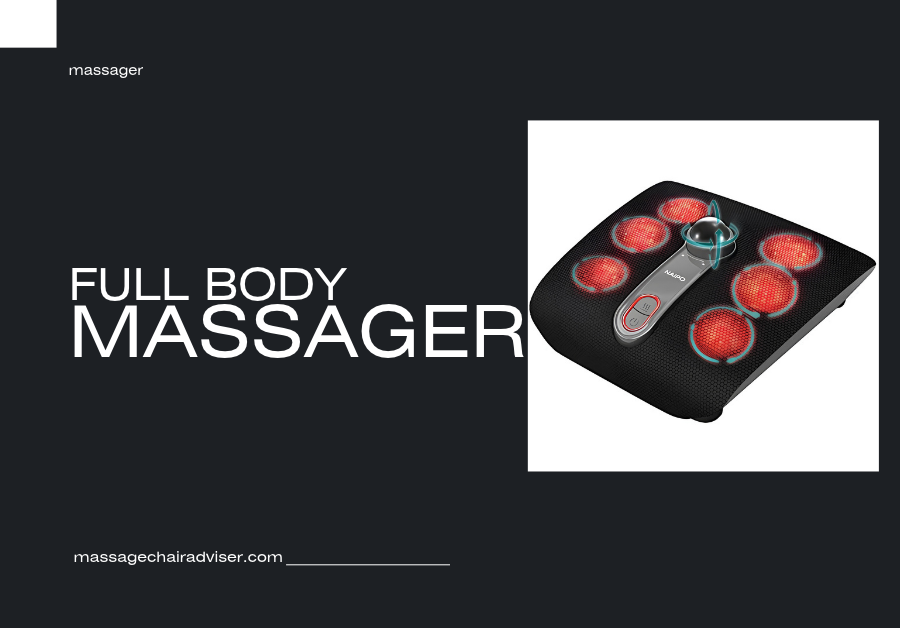
How to Choose One That Fits Your Body, Space and Budget?
Shopping for a full body massager is harder than it looks. The label covers everything from a $50 heated mat to a recliner that costs more than a used car.
This guide cuts through that. You will learn what each type really does, who should skip them, what they cost, and how to match a device to your needs, whether you are buying for your home or for a spa, clinic or shop.
What Is a Full Body Massager?
A full body massager is an electric device that applies kneading, rolling, percussion, vibration, compression or heat to several muscle groups. It eases everyday tension and supports relaxation, but it does not treat injury or disease.
You will also see it called a whole body massager, electric body massager or body massage machine. The term is a category, not a single product.
What “Full Body Massager” Really Means?
This is the first thing most buyers get wrong. Not every device that says “full body massager” covers your whole body.
| Type | What it covers | Best for | Space needed |
| Massage chair | Neck to feet | Daily relaxation, back and hip tension | High |
| Massage recliner | Back, seat, legs | Smaller rooms, lighter budgets | Medium |
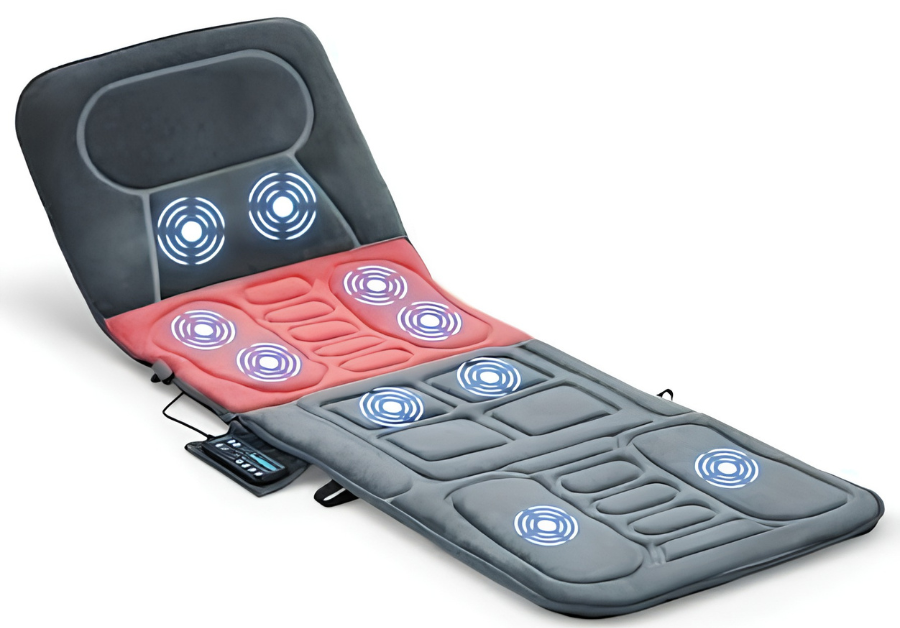
| Shiatsu mat or cushion | Back, seat, thighs | Beds, sofas, offices | Low |
| Massage gun | One area at a time | Athletes, stubborn knots | Very low |
| Air compression boots | Legs, sometimes arms | Tired legs, travel | Low |
| Foot massager | Feet and calves | Standing jobs | Low |
| Massage table or bed | Entire body | Clinics, spas, serious home use | Very high |
A mat covers your back. A gun reaches everywhere, but only one spot at a time. Only chairs, beds and tables treat large areas at once.
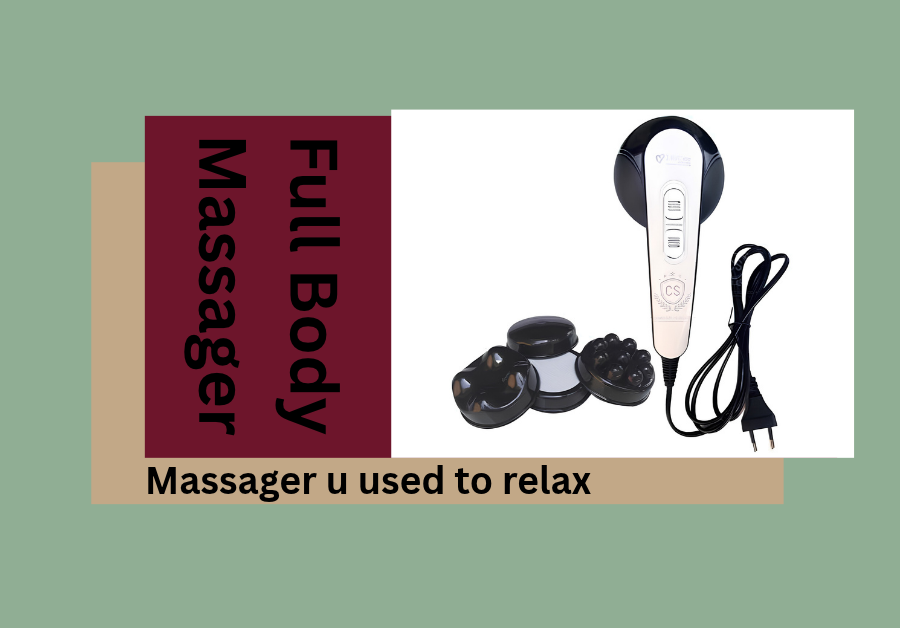
How Full Body Massagers Work?
Most devices combine two or three of the following mechanisms.
Shiatsu kneading and rolling:
Rotating nodes press into muscle, borrowing from Japanese shiatsu. Rollers glide along the spine on a fixed track. An L-shaped track follows the back and hips, while an SL-track curves with the spine and extends under the glutes.
Percussive therapy:
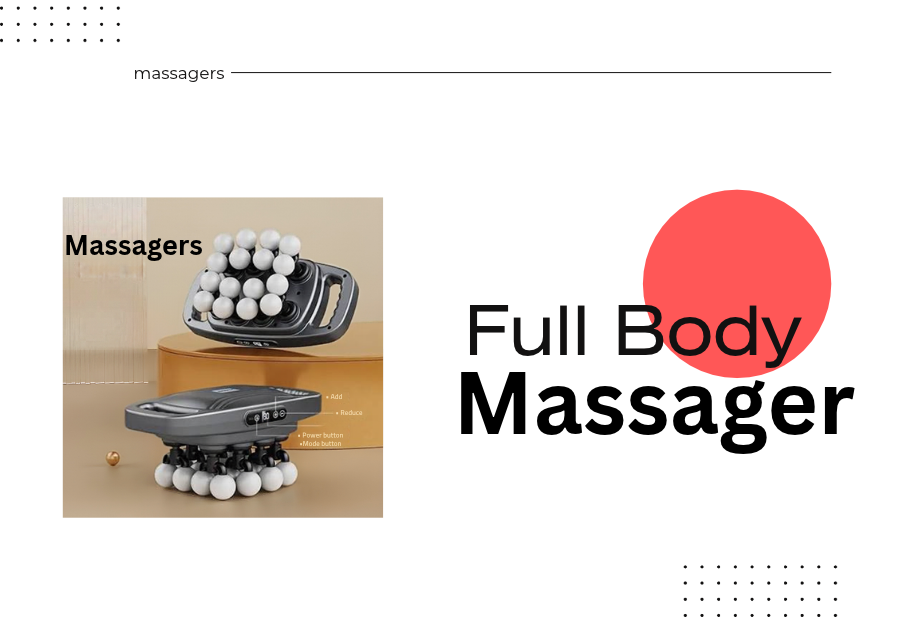
A massage gun delivers fast, short strokes into a muscle. This is closer to deep tissue work and suits large muscle groups like quads, hamstrings and calves.
Air compression:
Inflatable chambers squeeze arms, calves or feet in sequence. This is a gentler experience, popular with runners, nurses and anyone on their feet all day.
Heat:
Thermotherapy warms tissue so muscles relax more easily. Heat is one of the most useful features on any type, provided it has an automatic shut-off.
Zero gravity positioning:
Some chairs recline so your knees sit above your heart. This reduces load on the lower back and helps you settle into the session.
Do Full Body Massagers Work?
For general muscle tightness and stress, many people find them genuinely helpful. Research on massage broadly points to short-term relaxation and reduced perceived soreness, though study quality varies and effects tend to be modest.
Here is what to realistically expect:
- Temporary relief from stiff shoulders, neck and lower back
- A more relaxed body at the end of the day
- Help with the feeling of soreness after exercise (often called DOMS)
- A simple wind-down habit before bed
Here is what not to expect:
- A cure for chronic pain, sciatica or a slipped disc
- Meaningful weight loss
- A substitute for a physiotherapist or doctor
The most honest way to see it: a full body massager is maintenance, not medicine.
Who Should Avoid Using One:
Speak to a doctor or physiotherapist before using a full body massager if any of the following applies:
- You are pregnant
- You have deep vein thrombosis or a clotting disorder
- You have a pacemaker or other implanted device
- You have osteoporosis or a recent fracture
- You have a herniated disc or spinal condition
- You have neuropathy or reduced skin sensation, since heat can cause burns without you noticing
- You have open wounds, skin infections or have had recent surgery
Older adults can often use gentle devices well, but should choose adjustable intensity, avoid long sessions and check with their doctor first.
How to Choose: A Six-Step Decision Framework
Work through these in order. It takes ten minutes and prevents most bad purchases.
1. Start with the problem
- Back, neck and shoulder tension: chair, recliner or mat
- Tired legs: compression boots or foot massager
- Gym soreness: massage gun
- General relaxation: mat or chair
2. Check body fit
A chair built for a taller person will miss a shorter user’s shoulders entirely. Look at the stated height range, and if you can, sit in one first. Chairs with a body scan feature adjust roller position to your frame, which helps households with different body sizes.
3. Measure your space
Full-size chairs need room to recline, often with extra clearance behind. Check the manufacturer’s dimensions and measure the spot, including doorways and stairs on the way in.
4. Set a budget ceiling
Decide before you browse. The price section below shows what each tier typically delivers.
5. Pick must-have features
Heat, adjustable intensity and a manual mode matter more than a long list of auto programs. Noise matters too if you live in an apartment or share a room.
6. Verify safety and support
Look for a recognized electrical safety mark and a clear written warranty. Check whether repairs are available where you live. This step is the one most often skipped.
Features Worth Paying For:
| Feature | Why it matters | Worth it? |
| Heat | Helps stiff muscles relax | Yes, for most people |
| SL-track | Reaches from neck to glutes | Yes, in chairs |
| Adjustable intensity | Essential for beginners and sensitive users | Always |
| Body scan | Fits rollers to your build | Yes, for shared use |
| Zero gravity recline | Reduces spinal load | Nice, not essential |
| Airbags | Compress arms, hips and legs | Useful for circulation comfort |
| Auto timer | Prevents overuse | Yes |
| Bluetooth, app control | Convenience | Rarely decisive |
Price Tiers: What to Expect
Exact prices change by brand, country and import duties, so treat these as general tiers and confirm current prices with the seller before you buy.
| Device | Typical tier | What you usually get |
| Handheld wand or neck massager | Low | Basic vibration or kneading, limited coverage |
| Shiatsu mat or cushion | Low to mid | Heated back and seat massage, portable |
| Massage gun | Low to high | Budget models work fine, premium adds quieter motors and better build |
| Compression boots | Mid to high | Sequential leg compression |
| Massage recliner | Mid to high | Basic rollers, some leg support |
| Full-size massage chair | High | SL-track, zero gravity, airbags, heat, longer warranty |
| Massage table or bed | Mid to very high | Professional or thermal systems |
A useful way to think about cost: divide the price by how often you will realistically use it. A mid-priced device used every evening usually beats an expensive chair used twice a month.
Pros and Cons by Device:
Full body massager:
- Pros: The closest thing to a professional session at home, wide coverage, strong comfort.
- Cons: Expensive, bulky, heavy to move, repairs can be costly.
Massage mats and cushions
- Pros: Affordable, portable, easy to store, suit beds, sofas and car seats.
- Cons: Limited to the back, thighs and seat, weaker pressure than a chair.
Massage guns:
- Pros: Compact, powerful, ideal for specific knots and gym recovery.
- Cons: Targets one spot at a time, easy to overdo and bruise, not relaxing in the same way.
Air compression wraps:
- Pros: Gentle, good after long days on your feet.
- Cons: No deep pressure, legs and arms only.
Quick Decision Paths:
| If you want… | Choose |
| The most complete home experience | A massage chair with SL-track and heat |
| Best value and portability | A heated shiatsu mat |
| Fast recovery after workouts | A massage gun |
| Relief for tired legs | Compression boots or a foot massager |
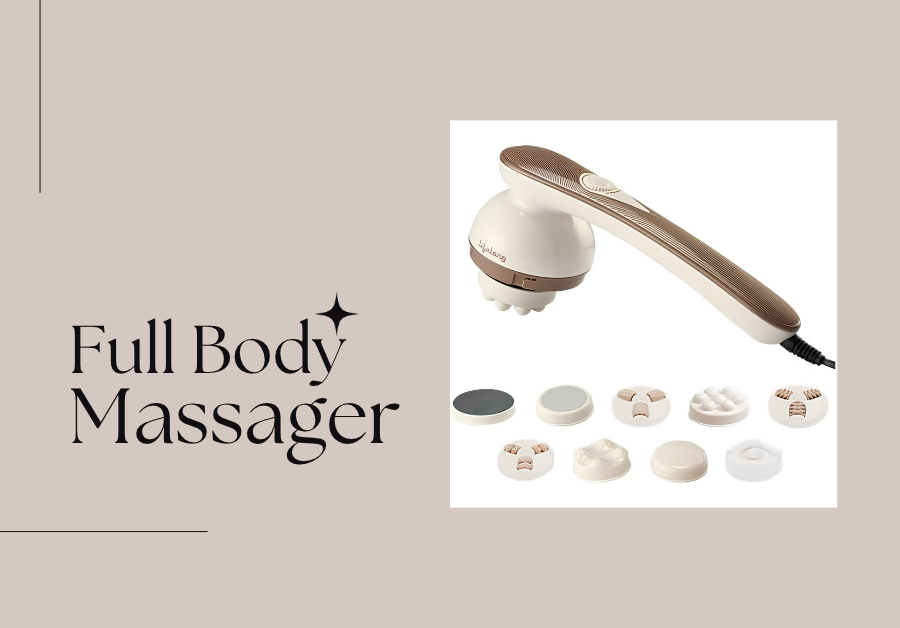
| Occasional light use, small budget | A handheld massager |
| A treatment for ongoing pain | A physiotherapist, not a device |
Full Body Massager vs Professional Massage:
They solve different problems, and many people use both.
| Factor | Home massager | Professional therapist |
| Cost over time | Lower per session after purchase | Higher per session |
| Convenience | Anytime | Appointment needed |
| Customization | Preset programs | Fully adapted to you in real time |
| Assessment | None | Can spot problems and refer you |
| Techniques | Limited | Swedish, deep tissue, sports, trigger point |
If your discomfort is mild and routine, a device is a sensible investment. If it is sharp, spreading, or does not improve, book a professional first.
Buying Around the World:
A Full Body Massagers sold in one country may not suit another. A few regional points are worth checking before you order.
- Voltage and plugs: Many regions use 220 to 240 V, while others use 110 to 120 V. Buying an incompatible model can damage it or void the warranty.
- Safety marks: Look for UL or ETL in North America, CE in the EU, UKCA in the UK, and the local equivalent elsewhere. Household massage appliances are covered by the international standard IEC 60335-2-32.
- Regulation: In the United States, powered massagers are generally treated as low-risk devices, so manufacturers should keep claims to general wellness and relaxation.
- Import duties and warranty: Imported chairs can carry extra duty and may not be covered locally. Ask who handles repairs in your country.
- Delivery: Large chairs may need two-person delivery and assembly. Confirm this, and whether it applies to your area.
- Climate: In hot regions, breathable fabric or mesh is more comfortable than leather-style surfaces.
- Small homes and dense cities: Mats, cushions and recliners often make more sense than full chairs.
If you want to try before you buy, search for a full body massager showroom or massage equipment store near you. Sitting in a chair for ten minutes reveals more than any spec sheet.
For Spas, Clinics and Resellers:
Buying for a business changes the priorities.
- Durability: Commercial use means daily wear. Ask about motor life, frame materials and replacement parts.
- Documentation: Request safety certificates, test reports and conformity declarations for your market.
- Sourcing: Compare authorized distributors, manufacturers and OEM suppliers. Ask about minimum order quantities and branding options.
- Service: Check for local technicians, spare parts supply and written warranty terms.
- Client suitability: Intake forms should screen for the conditions listed earlier. A therapist-led service still suits complex cases better than a machine.
How to Use a Full Body Massager Safely:
- Read the manual and any warnings.
- Place the device on a flat, stable surface.
- Sit or lie so your back is aligned with the rollers.
- Start at the lowest intensity.
- Run one program for 10 to 20 minutes.
- Increase pressure gradually and never force it.
- Stop immediately if you feel sharp pain, numbness or dizziness.
- Drink water and rest briefly afterward.
- Unplug the device when finished.
Common Mistakes:
- Buying on price or photos alone: Check dimensions, certification and warranty.
- Ignoring body fit: Rollers that miss your muscles give poor results.
- Overusing a massage gun: Long sessions on one spot can bruise tissue.
- Pressing on the wrong areas: Avoid the front of the neck, joints and the bones of the spine.
- Expecting a cure: A device helps comfort, not underlying conditions.
- Trusting reviews blindly: Look for specific detail about use, not just star ratings.
- Skipping maintenance: Dust, loose parts and frayed cords shorten lifespan and raise safety risks.
Alternatives Worth Considering:
- Physiotherapy or licensed massage therapy for diagnosed or persistent pain
- Foam rolling for tight muscles at very low cost
- Stretching, yoga and mobility work to address the cause of tension
- Heating pads or warm baths for simple heat therapy
- TENS units for a different approach, best used under guidance
- Ergonomic changes such as chair height, desk setup and posture breaks
Often the best result comes from pairing a device with one of these.
Looking After Your full body Massager:
A little care extends the life of any device.
- Wipe surfaces with a slightly damp cloth, never soaking electronics.
- Keep cords untangled and away from pets.
- Leave space around chairs so moving parts do not catch.
- Store mats flat or loosely rolled.
- Stop using it and contact the seller if you hear grinding noises or smell burning.
Frequently Asked Questions
1. What is the best full body massager?
There is no single best. A full body massager gives the most complete coverage, a shiatsu mat offers the best value and portability, and a massage gun suits targeted athletic recovery. Choose by problem area, space and budget.
2. Are full body massagers good for you?
For healthy adults, they can help ease muscle tension and encourage relaxation when used correctly. They do not treat injuries or medical conditions, so check with a doctor if you have a health condition.
3. How often should you use a full body massager?
Many manufacturers suggest 10 to 20 minutes per session, a few times a week. Follow your device’s manual and stop if you feel pain or discomfort.
4. Is a full body massager worth it?
It can be, if you will use it often and have the space and budget. For occasional use, a mat or handheld massager is usually better value.
5. Can a full body massager help with back pain?
It may ease muscle tension behind mild, everyday back discomfort. Severe, persistent or radiating pain, or pain with numbness, needs a medical assessment first.
6. Is a massage gun the same as a full body massager?
No. A massage gun treats one muscle area at a time, while a full body massager such as a chair or mat covers several areas in one session.
7. Can you use a full body massager every day?
Often yes, at low to moderate intensity and for short sessions, as long as you have no contraindications. Avoid long sessions on the same spot.
8. Is it safe with a pacemaker or during pregnancy?
Not without medical advice. Motors, magnets and strong pressure can be a concern, so get clearance from your doctor or the device manufacturer first.
9. Do full body massagers help with weight loss?
There is no reliable evidence that they cause meaningful fat loss. They may help you recover and relax, but diet and exercise drive weight change.
10. Are full body massager safe for seniors?
Many are, particularly models with adjustable intensity, gentle programs and easy controls. Seniors with circulation issues, osteoporosis or implants should speak to a doctor first.
Conclusion
The best full body massager is the one that matches your problem area, fits your body and room, and has the safety marks and warranty to back it up. A chair gives the most complete experience, a mat gives the best value, and a gun gives the most targeted relief.
Before you buy, run through the six steps above, confirm the voltage and local support, and try a model in person if you can. And if your pain is sharp, spreading or persistent, see a professional first. A full body massager works best as part of a routine, not as a replacement for care.
Unfulfilled Points: Named reviewer credentials, original photos, testing methodology and clinical citations were left out because they require real people, products and sources. Current regional prices were left as tiers because they could not be verified.
These information about best Full Body Massager are gathered from different surveys, medical tests and tech giants like Reviewed and more. Our top priority is to provide you valuable information about best Full Body Massager.
For More Details About Different massage chair Click Here.