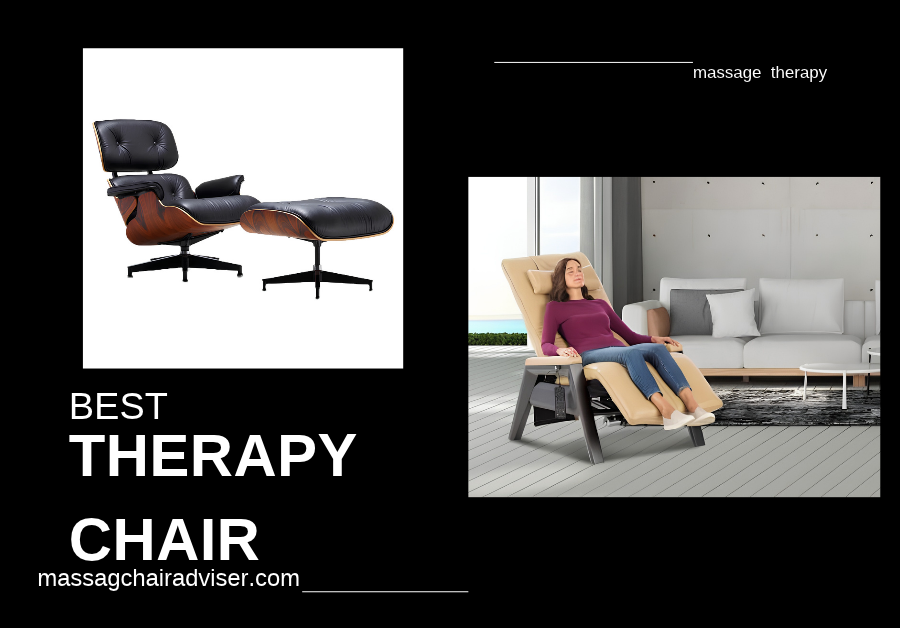
Types, Features, Compliance and How to Choose the Right One
Which “Therapy Chair” Do You Mean?
The phrase covers several very different products, so it helps to find your category first.
- Clinical therapy chairs: powered medical seating for dialysis, chemotherapy, infusion, plasmapheresis and TMS.
- Physiotherapy and positioning chairs: stable seats for rehabilitation, or supportive seating for children and people with limited mobility.
- Comfort and recovery chairs: lift recliners and geriatric chairs for home or care settings.
- Wellness chairs: massage chairs, including vibroacoustic models, sold for relaxation.
Counseling rooms also use the term for comfortable seating, but that is furniture rather than treatment equipment. This guide concentrates on clinical and care-focused chairs, then covers the home and wellness options in their own sections.
What Is a Therapy Chair?
A therapy chair is a medical seating system that positions and supports a patient during treatment such as dialysis, infusion or TMS. Unlike a standard recliner, it is built around clinical needs: positioning, caregiver access, stability, hygiene and emergency response.
Other names include treatment chair, medical therapy chair, infusion chair and bed chair. The terms overlap, but the core idea is the same: a chair designed for long, repeated, supervised use rather than casual comfort.
Why It Matters?
Many treatments keep a patient seated for hours. In dialysis or chemotherapy, a poor chair means pressure on the back and hips, restlessness and a worse experience of care.
The chair also affects staff. Nurses reposition patients, reach access points and respond to emergencies many times a day. Height adjustment and one-touch positioning protect their backs and save handling time.
Safety is the most important factor. A chair used outside its intended purpose, or without the right classification, can put patients at risk.
Who Uses Therapy Chairs, and When?
| Setting | Typical use | What matters most |
| Dialysis unit | Hemodialysis sessions lasting hours | Pressure relief, emergency positioning, hygiene |
| Oncology day hospital | Chemotherapy and infusion therapy | Comfort, infusion stand, height adjustment |
| Blood and plasma centers | Transfusion, plasmapheresis | Stability, arm access, easy cleaning |
| TMS clinic | Repeated sessions with precise head positioning | Support and repeatable posture |
| Physiotherapy practice | Seated exercise, manual therapy | Firm support, safe transfers |
| Home or care facility | Recovery, reduced mobility | Lift assistance, comfort, simple controls |
If a patient sits for more than an hour at a time, or the same chair serves many patients a day, a purpose-built therapy chair is worth considering.
Therapy Chair vs Recliner vs Treatment Bed vs Massage Chair:
The most common mistake is assuming these are interchangeable. They are not.
| Feature | Therapy chair | Standard recliner | Treatment bed | Massage chair |
| Designed for clinical procedures | Yes | No | Yes | No |
| Emergency (Trendelenburg) positioning | Often available | Rarely | Usually | No |
| Easy-clean, disinfectable surfaces | Yes | Seldom | Yes | Seldom |
| Footprint | Moderate | Moderate | Large | Large |
| Typical medical device status | Usually regulated | Not regulated | Regulated | Generally not a medical device |
| Best for | Long seated treatments | Home relaxation | Lying-down care | Relaxation |
Can a therapy chair replace an examination couch?
Only when the procedure suits seated or semi-reclined positioning. A chair should be used only for the applications its configuration and intended use support. If a procedure needs a flat surface, use a couch or bed.
Types of Therapy Chairs:
1. Dialysis and Infusion Chairs:

These are the workhorses of hospital treatment rooms. They offer reclining backrests, elevating leg rests, and often a Trendelenburg position (feet raised above the head) for emergencies.
Common options include an infusion stand mounted to the base, a paper roll holder and battery backup so positions can be changed during a power cut. Compact versions suit crowded units.
2. Plasmapheresis and Blood Collection Chairs:

These emphasize arm access, stable support and fast cleaning between donors. Because many people use them in a day, durable upholstery matters.
3. TMS Therapy Chairs:

TMS sessions repeat over weeks, so patient posture and head support must be consistent and comfortable. Look for fine positioning control and a stable base.
4. Physiotherapy and Rehabilitation Chairs:

These are simpler seats with armrests, firm cushioning and sometimes height adjustment. They help with sit-to-stand practice, balance work and seated exercise.
5. Lift Recliners and Geriatric Chairs:

For older adults or people recovering from surgery, a lift recliner raises the user toward standing. A geriatric chair (geri chair) offers reclining or tilt-in-space positioning to reduce sliding and ease caregiver transfers. Neither should be used as a restraint.
6. Massage and Wellness Chairs:
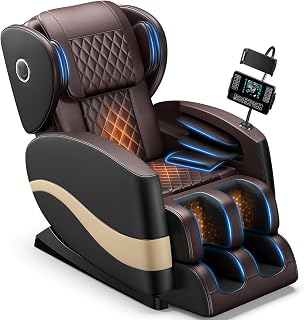
Massage chairs offer rollers, air compression, heat or vibration. These are sold for relaxation, and most are not clinical devices.
How Therapy Chairs Work?
Most powered chairs move through linear actuators, which are electric motors that extend or retract to tilt the back, raise the leg rest or lift the seat. More actuators give more independent adjustments.
Some models use a scissor lift for smooth height changes. Manual chairs rely on levers or gas springs. Casters let staff move a chair between rooms, while a brake keeps it stable during care.
Pressure relief comes from foam density, layered cushioning and, in some models, a zero gravity position that shifts weight distribution to ease strain on the joints.
Key Features to Look For:
Use this checklist when comparing models.
- Weight rating: confirm the safe working load, including bariatric options if you serve larger patients.
- Positioning range: recline, leg elevation, seat height and a one-button emergency position.
- Upholstery: seamless, wipeable and compatible with your disinfectants. Antibacterial finishes help but do not replace cleaning.
- Controls: a clear handset for staff, with lockout for patient use if needed.
- Power resilience: battery backup or manual override.
- Footprint: measure the reclined length, not just the seated size.
- Mobility: quality castors with reliable brakes.
- Accessories: infusion stand, tray, footrest, paper roll holder.
- Warranty and spare parts: separate coverage for frame, motors and upholstery.
- Service network: training, installation and fast repair.
Medical Device Classification and Compliance:
Therapy chairs used for dialysis, chemotherapy and similar care are generally treated as medical devices. Using a chair without the right classification can create safety and regulatory problems, so verify this before you buy.
Rules differ by country, and classification can depend on the chair’s intended use and features. Treat the table below as a starting point and confirm with the manufacturer and your regulator.
| Region | Typical framework to check |
| European Union | EU MDR (Regulation 2017/745) and CE marking |
| United States | FDA medical device regulation |
| United Kingdom | MHRA requirements and current UK conformity marking rules |
| Middle East | National health ministry or authority device registration (for example in the UAE) |
| India | CDSCO medical device rules |
| Pakistan | Drug Regulatory Authority of Pakistan (DRAP) |
Useful standards and quality indicators include:
- ISO 13485: quality management for medical device manufacturers.
- IEC 60601-1: general safety for medical electrical equipment.
- ISO 14971: risk management for medical devices.
- IEC 62366: usability engineering.
Ask suppliers for current certificates and declarations of conformity, and check that they apply to the exact model you are buying.
Caregiver Ergonomics and Workflow:
A chair that is comfortable for the patient but awkward for staff will cost you in the long run. Height adjustment brings the patient to a healthier working level for nurses and reduces bending.
Armrests that fold or spring back make transfers easier and safer. Simple, intuitive controls reduce errors on busy shifts.
Try the chair in a realistic scene: transfer a volunteer in, reposition, simulate an emergency lowering and clean it. Ten minutes of testing reveals more than a brochure.
Cleaning and Infection Control:
Hygiene shapes both purchasing and daily routines.
- Choose seamless upholstery without deep stitching where fluids can collect.
- Check the manufacturer’s list of approved disinfectants. Harsh products can crack or discolor materials.
- Clean between every patient, and include armrests, handset and base.
- Inspect upholstery for splits. A damaged surface cannot be properly disinfected and should be repaired or replaced.
Total Cost of Ownership and Pricing:
Prices vary widely by region, brand, specification and import costs, so there is no honest single figure. Think in bands instead:
- Budget: manual or simple electric models for basic seated care.
- Mid-range: electric chairs with several actuators and standard accessories.
- Premium: multi-motor, highly configurable platforms with advanced positioning.
Compare more than the purchase price. Count delivery, installation, accessories, batteries, training, preventive maintenance, spare parts and downtime. A cheaper chair that sits broken while waiting for a part costs more than a well-supported one.
Request written quotes from at least three suppliers and ask each to list what is included. Where you buy matters: manufacturers, regional distributors and tender suppliers all offer different service levels. Look for “authorized distributor” status, service coverage in your delivery region, and local voltage and plug compatibility.
How to Choose a Therapy Chair: A Step-by-Step Framework
- Define the clinical use. Dialysis, infusion, plasma collection, TMS or rehabilitation each has different needs.
- Profile your patients. Consider weight range, mobility, session length and special needs.
- Confirm compliance. Ask for classification and certificates for your country.
- Shortlist by features. Use the checklist above and mark your must-haves.
- Test in your setting. Check room size, power, transfers and cleaning.
- Compare total cost. Include service and spare parts.
- Plan for maintenance. Agree on training, inspection intervals and warranty terms.
A Simple Procurement Checklist:
When you issue an enquiry or tender, ask each supplier to confirm:
- Intended use and classification of the exact model
- Certificates and the year they were issued
- Safe working load and tested performance
- Number of motors and available positions
- Emergency lowering and Trendelenburg method
- Battery backup and manual override
- Approved cleaning agents
- Warranty length by component
- Spare parts availability and lead time
- Installation, training and service response time
Common Failure Points and Mistakes:
- Buying on appearance: a comfortable-looking chair may lack clinical positioning or certification.
- Ignoring the weight rating: overloading shortens life and creates risk.
- Skipping power planning: without a backup, a power cut can leave a patient stuck in an awkward position.
- Using the wrong cleaner: it degrades upholstery and shortens chair life.
- No maintenance schedule: loose bolts, worn cables and tired actuators fail at the worst moments.
- Treating a wellness chair as a clinical one: relaxation products are not designed for procedures.
Report any malfunction or incident to the manufacturer and, where required, to your local regulator. Remove a faulty chair from use until it is repaired.
Home Use: Comfort Chairs, Lift Recliners and Massage Chairs;
If you are buying for yourself or a family member, your priorities differ from a hospital’s.
A lift recliner helps people stand more easily, which can support independence after surgery or with arthritis. Check that the user has enough leg strength and that someone can help if needed. A comfort or recovery recliner suits rest and elevation of the legs.
Massage chairs can feel relaxing, and many people enjoy them. Evidence that they treat anxiety, depression or back conditions is limited, so be cautious about strong health claims. If you have persistent pain, speak to a clinician rather than relying on a chair.
Before buying for home, measure doorways and rooms, check the power supply, and read the return policy.
Alternatives to a Therapy Chair:
- Treatment couch or hospital bed: for procedures that need a flat position.
- Tilt-in-space wheelchair: for people who need mobile positioning.
- Standard recliner: for non-clinical home comfort.
- Ergonomic office or counseling chair: for therapists and administrators who sit all day.
Frequently Asked Questions
1. What is a medical therapy chair?
It is a purpose-built seat that positions and supports patients during treatment or procedures. It combines adjustment, stability, hygiene and emergency features that ordinary furniture does not offer.
2. What is the difference between a therapy chair and a normal recliner?
A therapy chair is designed around the patient and the clinical procedure, including caregiver access and emergency positioning. A recliner is designed for personal comfort and is not intended for clinical use.
3. Is a therapy chair a medical device?
Chairs used in settings such as dialysis and chemotherapy are generally regulated as medical devices. Rules vary by country, so ask the supplier for classification and certificates for your market.
4. What should I look for in a dialysis chair?
Prioritize pressure relief for long sessions, a reliable emergency position, easy-clean upholstery, quiet and smooth motors, battery backup and a sensible footprint.
5. Are therapy chairs electrically adjustable?
Many are, using motors that move the back, legs and height. Manual versions also exist. Choose based on patient needs, staff workflow and your power situation.
6. Can a therapy chair replace an examination couch?
Only for procedures suited to seated or semi-reclined positions. Use a couch or bed when a flat surface is required.
7. How long does a therapy chair last?
Lifespan depends on build quality, usage, cleaning and maintenance. Ask the manufacturer for expected service life and keep a regular inspection log.
8. Do massage chairs help with anxiety or back pain?
Some people feel more relaxed after using one, but strong evidence for treating medical conditions is limited. See a healthcare professional for ongoing symptoms.
9. What cleaning products are safe for a therapy chair?
Use disinfectants approved in the manufacturer’s instructions. Avoid abrasive pads and unapproved solvents, which can damage upholstery.
Conclusion:
The best therapy chair is the one that fits the treatment, the patient, the staff and the regulations of the place where it will be used. Start by deciding which kind of chair you actually need, confirm that it is properly classified for your country, then compare features, service support and total cost.
For facilities, test chairs in real conditions and ask suppliers for written proof of certification. For individuals, focus on comfort, safe use and honest expectations about what a chair can do. A careful choice protects patients, supports caregivers and gives you equipment you can rely on for years.
These information about best therapy chair are gathered from different surveys, medical tests and tech giants like Reviewed and more. Our top priority is to provide you valuable information about best therapy chair.
For More Details About Different massage chair Click Here.