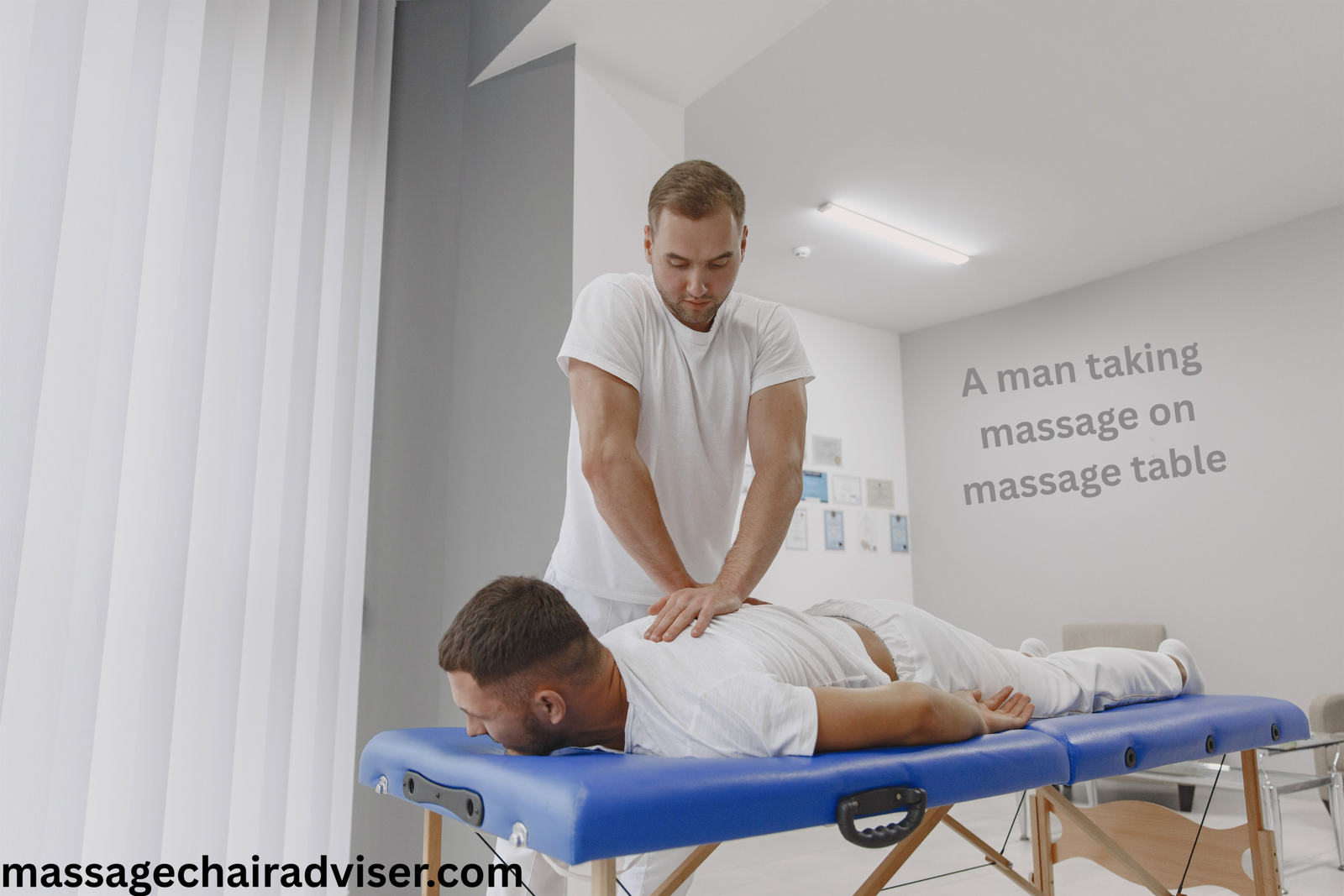
What Is a table for massage?
A table for massage is a padded, adjustable table that supports a client during massage or bodywork. It is also called a treatment table, massage couch, therapy table or, in clinical settings, a physiotherapy couch. Most have a frame, foam padding, upholstery and a face cradle.
The idea is simple, but the details are not. Width, height range, weight rating, foam density and frame design all change how the table feels to the client and how safe it is for the therapist to work on.
Why the Right table for massage Matters?
A table for massage is the one piece of equipment that touches every session. Clients notice thin padding, a narrow surface or a wobble almost immediately.
Therapists feel it too. A table set at the wrong height forces the shoulders, wrists and lower back to compensate, which adds up over a working week of Swedish massage, deep tissue work or shiatsu.
Safety is the third reason. A table that is under-rated for the load it carries is an equipment risk, not just an inconvenience.
Who Needs Which table for massage?
The best table depends less on brand and more on how you work.
| If you are… | A good starting point | Why |
| A mobile massage therapist | Lightweight portable table | Easy to carry, quick to set up in client homes |
| A spa or studio owner | Stationary or electric-lift table | Stable, premium feel, no daily folding |
| A physiotherapist or chiropractor | Electric-lift table, often with adjustable sections | Fast height changes and easier patient transfers |
| A home user or student | Mid-range or entry-level portable table | Occasional use and easy storage |
| An esthetician, lash artist or tattoo artist | Wider portable table or dedicated spa bed | Comfort for longer, stiller sessions |
| Someone with mobility needs | Electric-lift table with a low minimum height | Safer access |
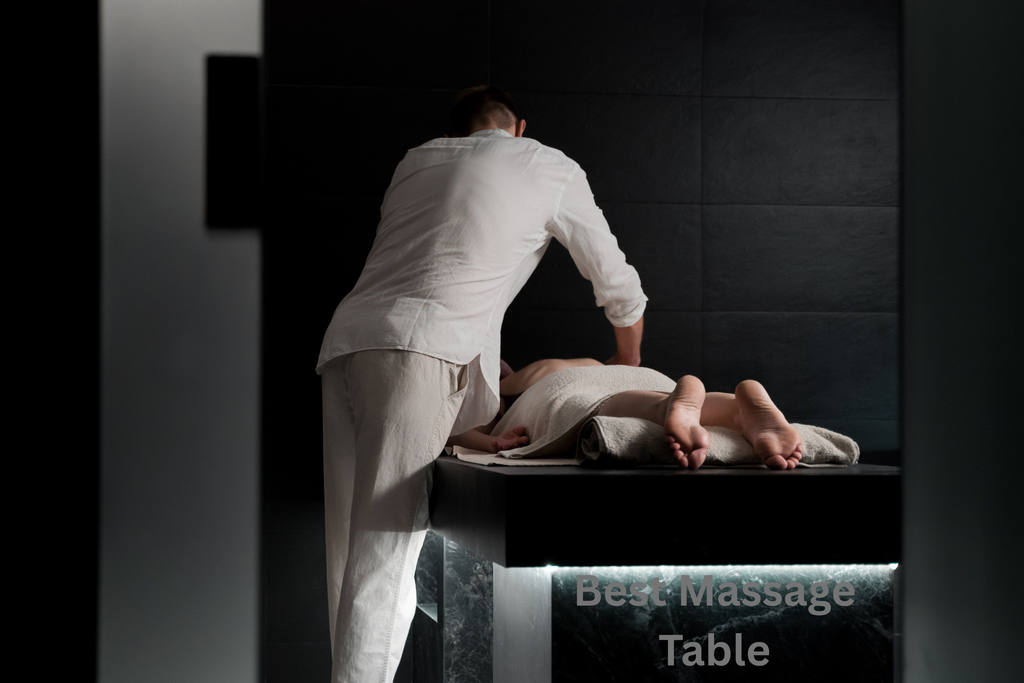
Types of Table For Massage:
1. Portable Massage Table for massage:
Portable table for massages fold into a carry case. They suit mobile therapists, students and home users, and they are the most common type.
The trade-off is weight and stability. Listed weights vary widely, from the high 20s to over 50 lb depending on materials, width and foam. Heavier tables usually feel sturdier but are harder to carry.
2. Stationary Table for massages:
Stationary tables stay in one place. Because they never need to fold or travel, they can use thicker foam and a stronger frame, and they tend to carry higher working and static weight ratings.
They are the natural choice for a permanent studio or treatment room.
3. Electric-Lift Table for massage:
Electric-lift tables raise and lower the surface with a motor, usually through a foot pedal or remote. That makes them popular in clinics, spas and any setting where clients need help getting on and off.
They cost more and need a power supply, but the height control is hard to match.
4. Hydraulic Table for massage:
Hydraulic tables change height with a foot pump. They work without mains power and lift smoothly, though the hydraulic parts can wear over time and may need servicing.
5. Specialty Tables and Alternatives to the Standard Table:
- Spa and facial beds recline and often include side storage.
- Lash and tattoo tables are usually wider portable tables for clients who stay in one position.
- Shiatsu tables and Thai floor mats sit low or on the floor for stretch-based work.
- Massage chairs suit short seated treatments at events and offices.
Frame, Foam and Upholstery:
Frame Materials:
Most frames are hardwood (commonly beech or maple), aluminium or steel. Some wood tables use FSC-certified timber, which is worth checking if sourcing matters to you.
Aluminium and wooden tables can both be very strong. Some wooden models add aircraft cables to brace the legs, and many portable tables use auto-lock leg systems to speed up setup. Judge a table by its rated working weight and build quality, not by the material alone.
Foam and Padding:
Foam matters as much as thickness. High-density foam resists compression and keeps its shape, while cheap foam flattens and starts to feel hard in the places clients lie on most.
A typical thickness is about 2 to 3 inches, but dense foam at 2 inches can feel better than soft foam at 3.
Upholstery:
Most tables use PU leather or PVC. Both wipe clean, which is important for hygiene.
Check how the cover handles massage oil. Cheaper covers can crack or go sticky after repeated exposure.
Face Cradle, Armrest and Bolster:
The face cradle lets the client breathe in a neutral neck position when lying face down. Look for adjustable height and angle.
An armrest supports the arms during side-lying and supine work, and a bolster under the knees or ankles takes pressure off the lower back.

Size and Height: Getting the Dimensions Right:
| Dimension | Typical range | What it affects |
| Length | About 72 to 84 in | Fit for taller clients |
| Width | About 28 to 32 in | Client comfort and arm room |
| Height range | About 24 to 34 in | Therapist posture |
| Foam thickness | About 2 to 3 in | Comfort over 60 to 90 minutes |
Width is the spec people underestimate. Standard widths run from 28 in up to custom 35 in tables, and around 30 in is a popular portable choice because it balances comfort and weight.
How to Set Table Height:
There are two common rules of thumb, and they give slightly different answers:
- Knuckle rule: table height is your knuckle height minus about 2 inches.
- Hip rule: the table surface sits near your hip joint.
Both are starting points. Lower is generally better for deep tissue and compression work, where you lean in with body weight. Slightly higher suits lighter strokes and techniques that stay close to the surface.
Worked example: if your knuckle height is 29 in, the knuckle rule gives about 27 in. If it is 32 in, you get about 30 in. A shorter therapist and a taller one will set very different heights on the same table, which is why a wide adjustment range matters.
Test the setting with a real client before committing. If your shoulders rise or your wrists bend sharply, adjust.
Weight Ratings: Working Weight vs. Static Weight
This is the most confusing part of buying a table, and the most important.
Working weight is the load a table can safely handle during treatment, including the client’s weight, the therapist’s pressure and sideways forces. It is sometimes called safe working load.
Static weight is what the table can hold when the load is still and evenly spread. It is far higher, often quoted anywhere from 1,000 to 3,000 lb, and it is much less relevant during a real session.
Why the Numbers Conflict?
Manufacturers do not report these figures the same way. Some listings give only a static number, and some mix the two terms. One common rule of thumb treats working weight as about a quarter of static weight, but the ratio varies by manufacturer, so confirm it instead of assuming.
The practical rule is to use the working weight, and to choose a table whose rating comfortably exceeds your heaviest client plus the pressure you apply.
Heavier Clients and Safety Margins:
A higher working weight and a wider surface make treatments more comfortable for larger clients. Many modern tables carry high working ratings, but check the label for your exact model.
Weight limits are about equipment safety, not judgment of a person. Talking about them calmly and professionally, and offering a step stool and a steady hand when clients get on, builds trust.
Warning: Never exceed the rated working weight, even briefly during transfers or repositioning.
Safety Marks and Regional Standards:
In Europe, look for the CE mark, which indicates the table meets essential safety requirements and should appear on the product or in the manual. In the UK, check for UKCA marking requirements as they apply to your product and supplier. Rules differ by country, so check what applies where you practise or sell.
Accessibility and Client Transfers:
Getting on and off is often the riskiest moment of a session. Clients with limited mobility, older clients and people recovering from injury benefit from a low minimum height.
An electric-lift table lets you lower the surface for entry and raise it for treatment. If you use a manual table, a stable step stool and a steady hold on the table frame help.
For clinics, this is a major factor. It affects client comfort, therapist strain and liability.
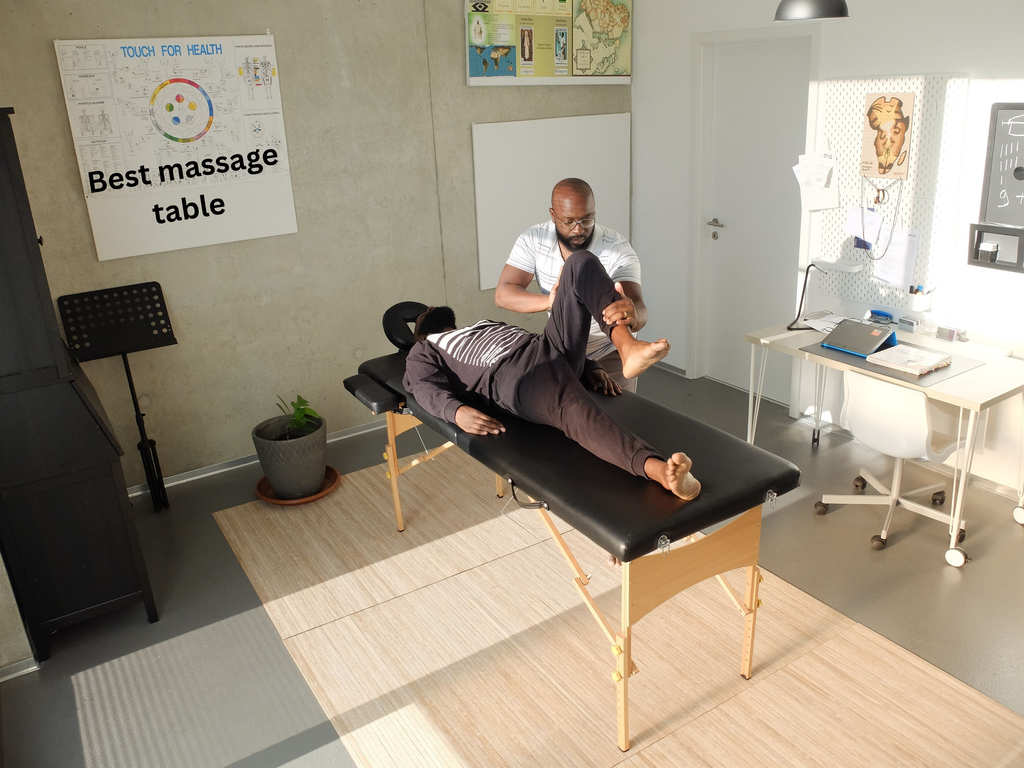
How to Choose a table for massage?
Work through these steps in order.
- Decide whether the table moves. Mobile work points to portable. A fixed room points to stationary or electric-lift.
- Set the working weight. Consider your heaviest client plus therapist pressure and add margin.
- Choose a width. Around 28 to 30 in suits most portable work. Go wider for comfort or for long, still sessions.
- Check the height range. Make sure your ideal working height falls well within it.
- Weigh portability. If you carry it daily, the listed weight matters.
- Inspect the foam and cover. Prefer dense foam and an oil-resistant cover.
- Compare warranty and accessories. Look at what the warranty covers and what is included, such as a face cradle, armrest and carry case.
Pros and Cons by Type:
| Type | Pros | Cons |
| Portable | Mobile, affordable, easy to store | Lighter builds can feel less stable, hinges wear |
| Stationary | Very stable, high ratings | Heavy, not portable |
| Electric-lift | Fast height changes, accessible | Higher cost, needs power, motor servicing |
| Hydraulic | No mains power, smooth lift | Seals can wear |
What Does a table for massage Cost?
Prices vary by country, brand and type. At the entry level, some portable tables sell for under $100, while professional wood tables, stationary tables and electric-lift models cost progressively more. Check current retail listings in your own market for exact figures.
The purchase price is only part of the cost. Plan for:
- Sheets, covers and disposable face-cradle covers.
- Replacement foam or upholstery over time.
- Servicing for motors or hydraulic parts.
- Replacement parts such as hinges, pins and legs.
A more expensive table that lasts years with minimal repair can cost less per session than a cheap one replaced twice.
Setting Up a Portable table for massage:
- Place the closed table on a flat, non-slip floor.
- Unfold the legs and lock every hinge, pin or lever.
- Set the working height.
- Attach the face cradle and armrest.
- Press down at the centre and corners to check for wobble.
- Cover with clean linens and position bolsters.
Hygiene and Care:
Infection control matters in every setting, from a home practice to a clinic.
- Wipe the upholstery between clients with a disinfectant that is safe for PU leather or PVC.
- Avoid harsh solvents, which can crack covers.
- Use clean sheets or disposable paper covers every time.
- Check hinges, joints, screws and legs regularly, and follow the manufacturer’s care instructions.
- Store folded tables dry and out of direct sunlight.
Foam does not last forever. If it feels flat, uneven or hard in the main contact areas, it is time to repair or replace it.
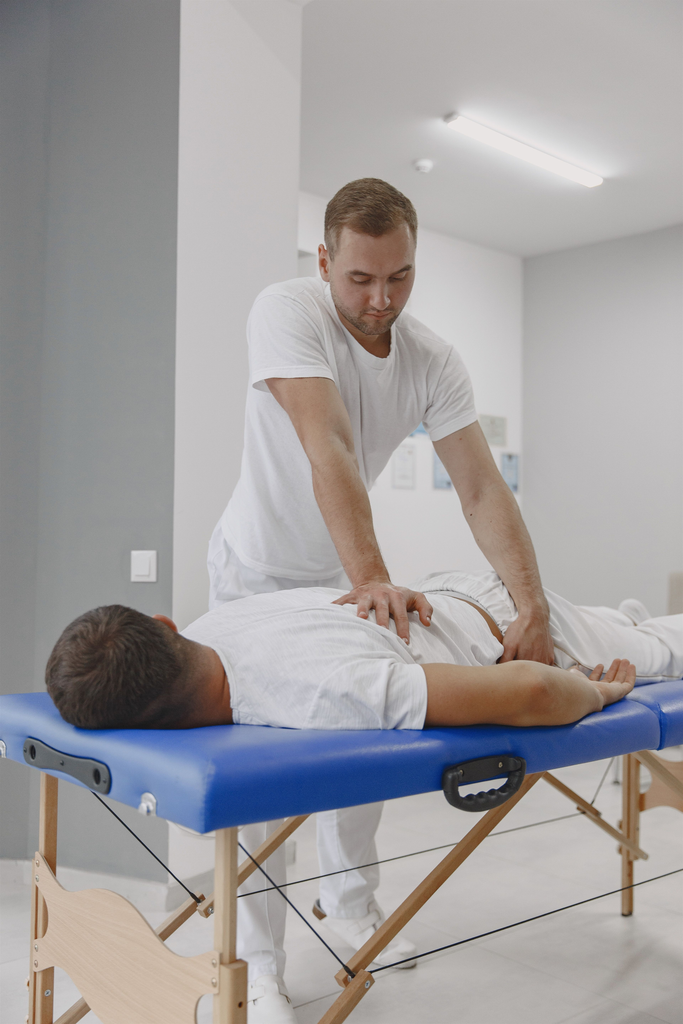
Buying Used? A Quick Inspection Checklist
- Confirm the working weight and model details on a label or manual.
- Look for cracks or peeling in the upholstery.
- Press on the foam in several places and check for flat spots.
- Open and close every hinge and lock; check for play or bending.
- Test the face cradle adjustment.
- For electric or hydraulic tables, run the full lift range and listen for strain.
- Ask about warranty, which is rarely transferable on used tables.
Common Mistakes to Avoid
- Trusting static weight as the safe load.
- Choosing the lightest table without checking stability.
- Buying a narrow table for a client base that needs more room.
- Ignoring foam density.
- Skipping the warranty details.
- Setting the table too high for deep tissue work.
Alternatives to a Standard Massage Table:
| Alternative | Best when |
| Portable massage chair | Short seated sessions at events or offices |
| Floor mat | Thai massage or other floor-based work |
| Spa bed or recliner | Facials and relaxation treatments |
| Renting a table | Short-term events or trying before buying |
| Custom-built table | You need a specific size or design |
Frequently Asked Questions
1. What size is a standard table for massage?
Table for massages are about 72 to 84 in long and 28 to 32 in wide, with an adjustable height of roughly 24 to 34 in.
2. How much weight can a table for massage hold?
It depends on the model. Check the working weight, which is the figure that matters during treatment. Static weight is much higher and describes a still load.
3. What is the best height for a table for massage?
Use your knuckle height minus about 2 in, or place the surface near your hip joint, then adjust for the technique. Deep tissue work usually calls for a lower setting.
4. How thick should table for massage padding be?
About 2 to 3 in is typical. Foam density matters as much as thickness.
5. Are electric table for massages worth it?
For clinics, busy studios and clients with mobility needs, yes. For occasional or mobile work, a manual portable table is usually enough.
6. How long does a table for massage last?
With regular care, a quality table can last many years. Foam and upholstery usually wear first, followed by hinges or moving parts.
7. Can a table for massage hold a heavier client?
Yes, if the working weight comfortably exceeds the client’s weight plus the pressure applied. A wider table also helps with comfort. Always check the rating on your specific model.
8. What is the CE mark on a table for massage?
It shows the product meets essential European safety requirements. It should be visible on the table for massage or in the manual.
9. How often should I replace table for massage foam?
There is no fixed schedule. Replace it when it feels flat, uneven or hard in the main contact areas, which depends on how often the table is used.
10. What is the difference between a table for massage and a massage bed?
The terms overlap. Massage bed often refers to spa-style or electric models, while massage table is the general term.
Conclusion
The right table for massage comes down to how you work, who you treat and how safely you can set it up. Start with the type, then check working weight, width, height range, foam and warranty.
Trust the working weight, test the height with a real session, and plan for the full cost of ownership. A table chosen that way will serve clients and protect your body for years.
Unfulfilled Points: AMTA is not named because the dataset flagged it as unverified. Images, diagrams and schema markup cannot be delivered in text. Regional price figures were omitted because no verified sources were available.
These information about best Table for massages are gathered from different surveys, medical tests and tech giants like Reviewed and more. Our top priority is to provide you valuable information about best Table for massage.
For More Details About Different massage chair Click Here.