Gas Hob Top Buying Guide: Types, Prices, Installation, and Safety Tips
If you’ve begun looking to purchase a brand new gas hob top cover, chances are you’ve realized that there’s more than just picking what looks good at the display. The number of burners, the material, the type of ignition, and compatibility with fuel each choice will affect how your appliance will function in your kitchen for many years to come.
This guide explains the essential information you need to know about what a gas hob top is and how it functions, what kind is right for your business or home, and the best way to avoid the pitfalls that cause buyer’s regret.
What Is a Gas Hob Top?
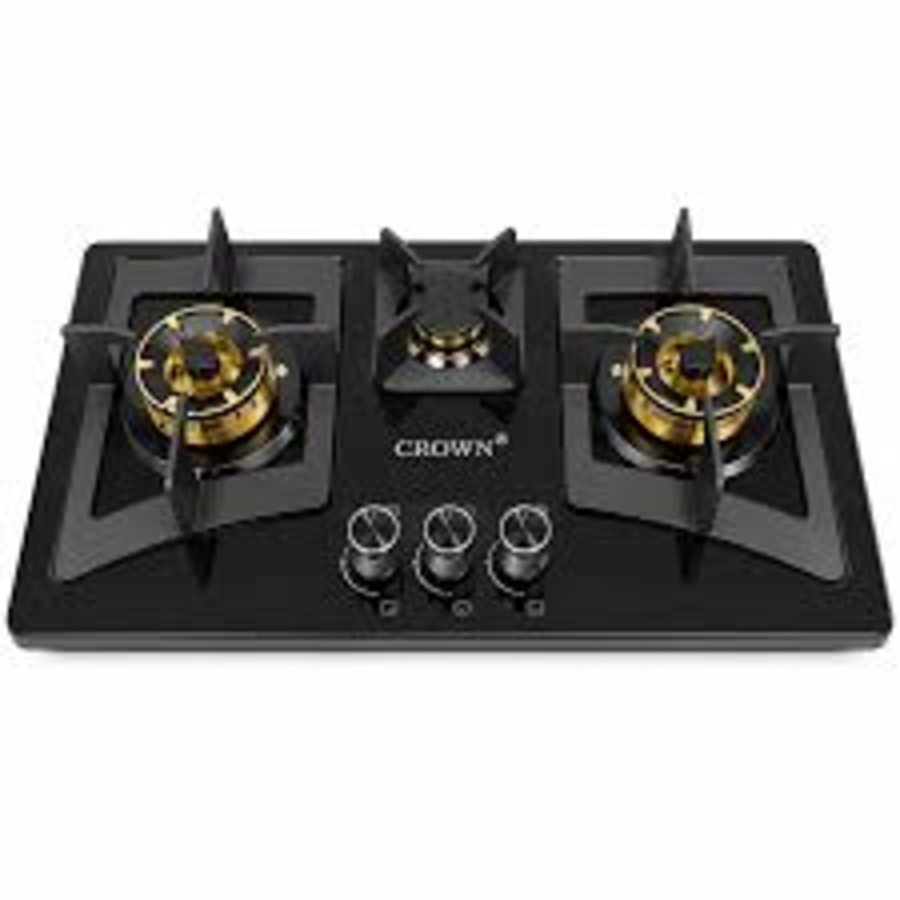
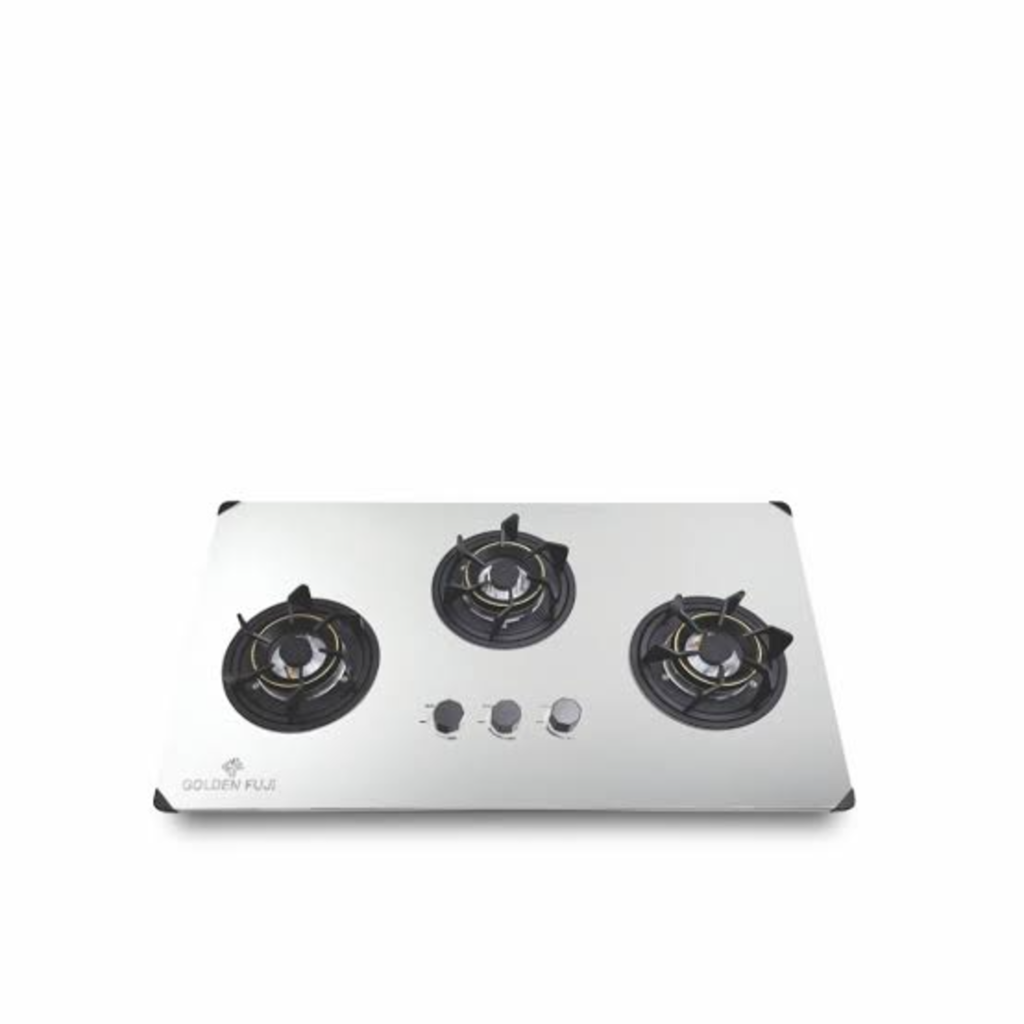
A gas hob top, often referred to as a gas hob top, gas cooktop top, or gas hob with built-in, is a surface for cooking that is equipped with a variety of gas burners that are connected either to an LPG cylinder or a piped natural gas (PNG) pipeline. The flame is open for direct heat that can be adjusted.
The words “gas hob top” and “gas stove” are frequently employed interchangeably, but there’s a slight distinction. The term “gas hobtop” usually refers to the burner’s surface, whereas a gas stove is usually a kitchen appliance that is built beneath it. In daily conversation, however, it is commonplace to use the term loosely, and the retail industry is not able to differentiate between the two.
Why People Still Choose Gas Hob Top Over Electric or Induction?
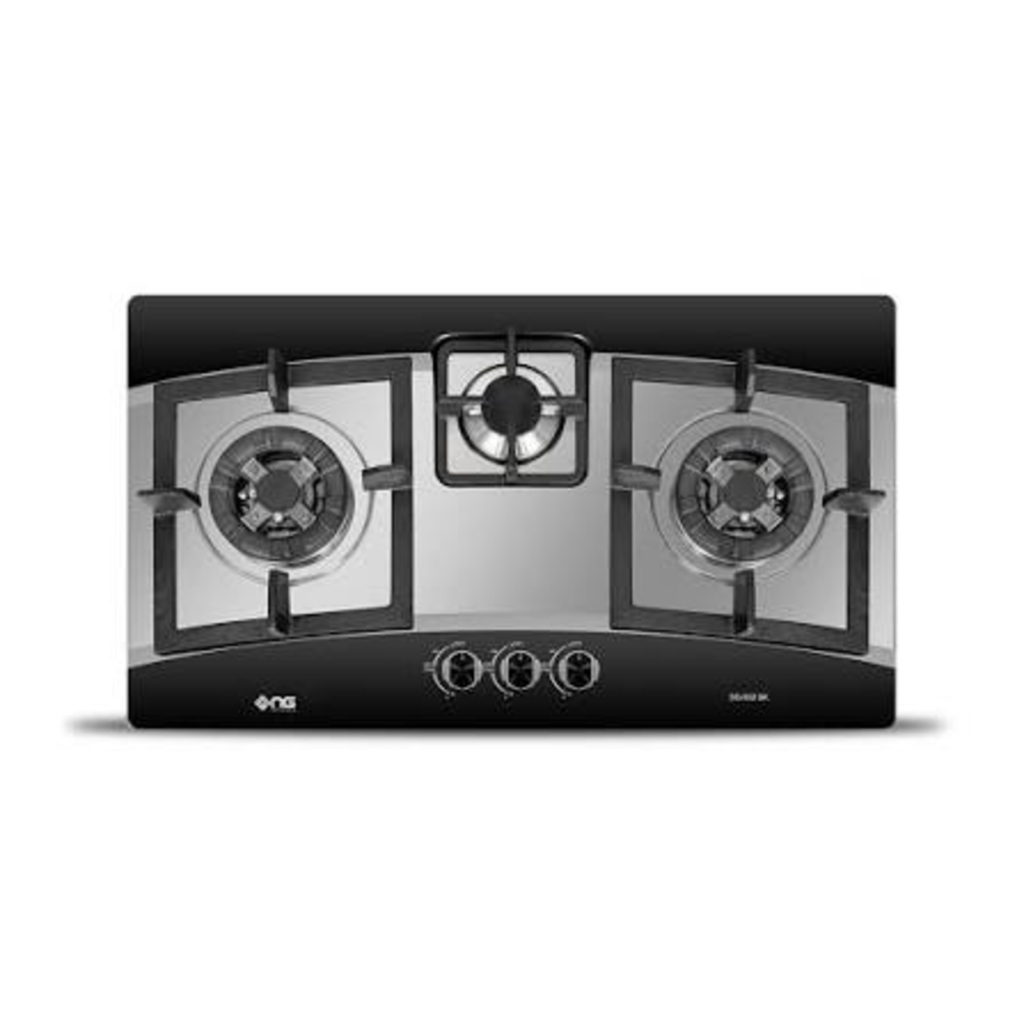
The popularity of induction cooktops has increased over the last few years, but gas stoves remain the best option due to one simple reason that is Control. They respond instantly each when you rotate the knob.
Gas hob top has an advantage that’s not difficult not to notice: it works even in an electrical outage, if the stove is equipped with an electric or battery-powered ignition. Because the gas flame is heating the pan directly instead of via the magnetic field, the gas hob tops can work with any cookware, including copper, aluminum, cast iron, clay you can name it. Induction, however, can only be used with magnetic-bottomed pans.
This doesn’t mean that gas hob top is an automatically “better” choice — it’s just a different choice that is suited to different needs. We’ll return to the straight analysis in the future.
Who Should Consider a Gas Hob Top?
The home cook who sautés or grills food often finds that the visual flame control can be genuinely helpful in this regard.
Households living in areas that have no reliable electric power -an electric gas hob top stove that has been ignited manually can still be used without power.
Buyers with a smaller budget: gas hob tops tend to be less expensive than similar induction models.
Commercial kitchens and restaurants: High-BTU burners can handle cooking with high volume faster.
Distributors and retailers who source units for resale, for whom the quality of certification and reliability of suppliers are more important than aesthetics.
If you’re looking to improve the efficiency of your energy use, a simple cleanup or cooking primarily with cookware that is compatible with induction is worth considering. It’s worth taking a look at the comparison section in our article before making a decision.
Types of Gas Hob Tops
Gas hob tops don’t come in a single product. This is how they are typically broken into pieces:
Installation style
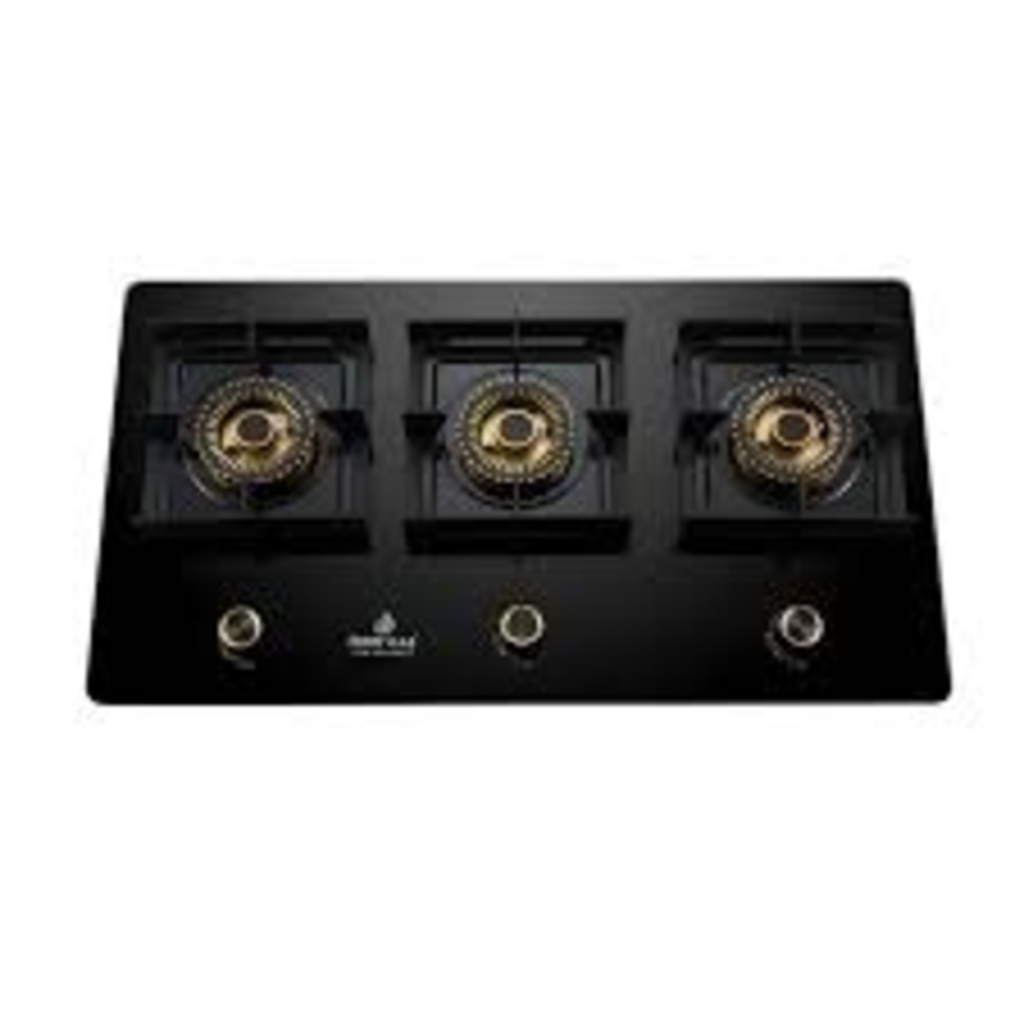
Built-in (drop-in): Fits perfectly into the cutouts of countertops — the most popular option in contemporary kitchens.
By Ignition type:
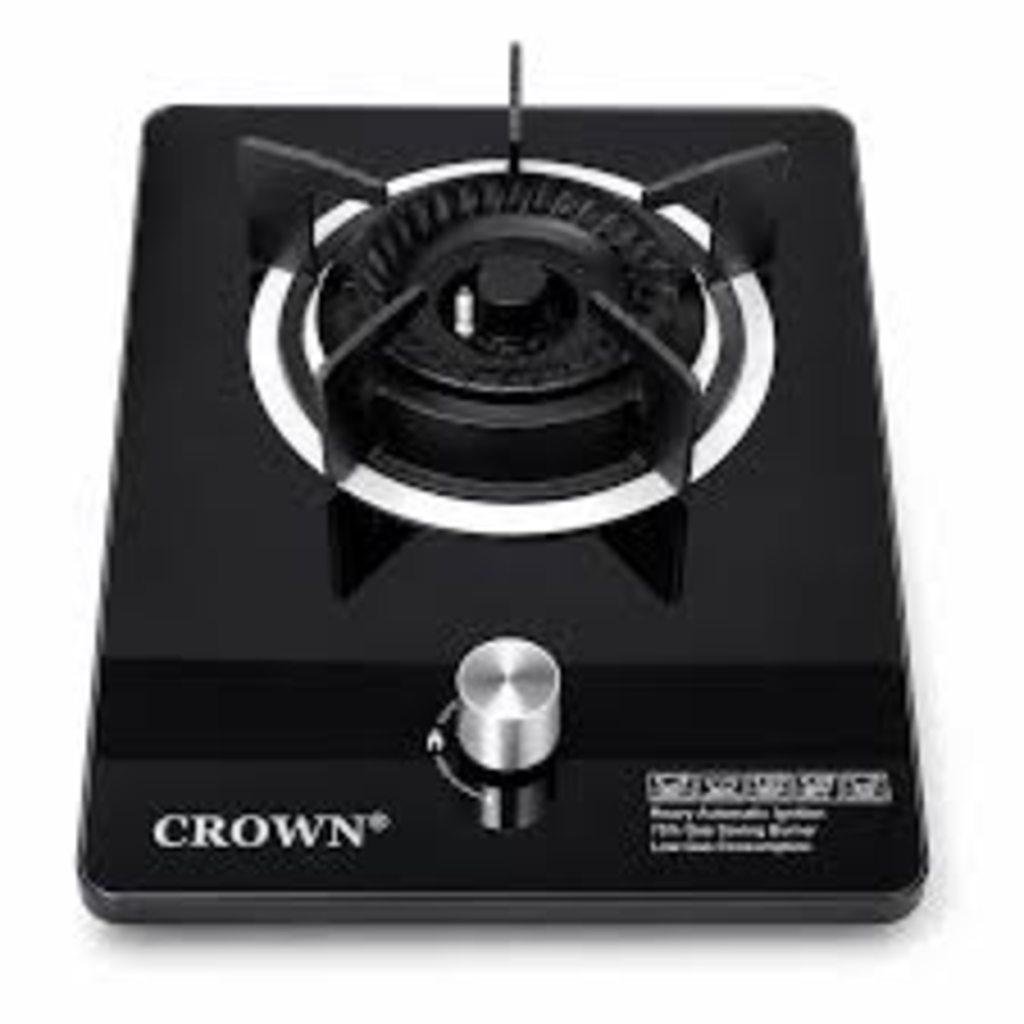
An igniter with a hand ignition is the most cost-effective alternative, but still effective during power outages.
Auto-ignition (piezo) — spark-based ignition activated by turning and pressing the knob. This is the most popular setup currently.
Electronic ignition using a flame Failure Device (FFD) will automatically cut off gas flow if the flame is out; it’s a feature that’s now becoming the norm for safety instead of a luxury accessory.
By fuel type
LPG -cylinder-fed, used in areas where piped gas hob top infrastructure isn’t able to extend.
PNG (piped natural gas) — delivered through fixed pipelines, which is typical in urban areas.
This is the reason this distinction irritates more people than nearly everything else on this list. The burners for PNG and LPG are different in their calibration, and switching between them typically requires the use of a conversion kit, which is not something you’ll need to look up following installation. You should know the kind of fuel your home has been ready for before buying.
Materials: Glass, Steel, or Granite?
| Material | Pros | Cons | Best For |
| Tempered glass | Easy to wipe down | It can crack under the force of impact, leaves fingerprints | Style-focused kitchens |
| Steel made of stainless steel | Durable and heat, scratch and scratch resistant, scratch and heat | Water spots appear, requires regular polishing | Daily heavy use |
| Granite/composite | High-end feel, extremely durable | The most expensive and heavy, requires care in handling | Long-term, high-end kitchens |
If you cook several times throughout the day, stainless steel tends to last longer. Glass looks stunning in photographs; however, it requires some attention — sudden temperature changes or drops in a pan could cause it to crack.
How Much Does a Gas Hob Top Cost?
Prices vary widely depending on the manufacturer or country and also the amount of burners. Therefore, if you’re looking at these numbers as general sations, rather than precise prices, you should check prices with your retailer in your area.
| Tier | What You Get |
| Entry-level | Three flames. Basic ignition stainless steel |
| Mid-range | Three to four burners. Automatic ignition FFD, steel or glass top |
| Premium | 5 burners, mixed-BTU burners with brass caps, granite or glass top |
| Commercial-grade | 5+ high-BTU burners, heavy-duty cast iron supports |
Brass burners’ cost tends to be higher than aluminum, however they last longer, and offer better efficiency for dispersing the heat. Cooking enthusiasts are able to benefit by buying them.
How to Select the Appropriate Unit. A Simple Decision Framework?
Start with the size of a household. One or two persons with minimal cooking requirements – a compact 2-3 burner model. A family of 4 or more – four burners is a good choice.
Find your kitchen space. If you’re looking to replace the current stove, measure the cutout’s first dimensions on the countertop. These measurements don’t match across brands, and it is also possible that the “4-burner” model from one manufacturer may not be compatible with a completely different cutout.
Make sure you know the kind of fuel that you’re using. LPG cylinder or piped natural gas -this will determine which models will work with your configuration.
Make safety the top priority. A Flame Failure Device isn’t an optional feature for us — it’s just a tiny feature that helps to prevent a severe risk.
Make your budget based on material, not only burners. Granite and glass can increase costs more quickly than adding an extra burner will.
Make sure you check the warranty and the service networks. A great price is not worth much if there’s no one in the area to fix the unit within two years.
Installation: DIY or Call a Professional?
Single-burner portable units that have the simplest cylinder hookups can usually be installed yourself. Gas hob top built into a piped gas line are an entirely different matter, and this is when professional installation is no longer an option.
A basic installation checklist will look like this:
Confirm that the gas type you are using is compatible prior to the unit being delivered
Double-check that the cutout for the countertop is in line with the dimensions of the hob.
Make sure there’s adequate ventilation, or exhaust hoods above the cooking area.
A licensed gas technician takes care of the gas line connection
Check every connection for leaks with the soapy water method as well as a leak detection device for gas.
Make sure that the flame is blue and not orange or yellow when it is installed.
A lot of manufacturers require professional installation in order to ensure the warranty is valid. So even if you’re comfortable with the tools, you should read the fine print first.
Safety Standards Worth Knowing
Certification requirements differ by country. Look for the appropriate marks for your specific region (examples include ISI for India, CE across the EU, and AGA/CSA standards within North America). These aren’t just labels that indicate that the product has been tested against the combustion and structural safety standards.
A Flammability Device (FFD) is among the primary characteristics to look for. It shuts down gas flow when the flame abruptly disappears in the event of an accident, an issue with the gas line, or another reason that prevents gas from flowing into the kitchen.
Warning: If you notice a gas smell, hear hissing sounds close to the gas source, or notice an endless yellow or orange flame, turn off the gas line immediately and consult a professional certified to assist you. Don’t try to determine a leak you suspect yourself.
Ventilation is also important. Local building codes typically require exhaust above gas cooking stoves. Be sure to consult your local government or gas utility prior to installation, as these regulations do become updated.
Keeping It Clean and Running Well
Daily or weekly: Wipe up spills before they ignite onto the floor. Cleanse burner caps and pan supports using warm, soapy water.
Monthly: Check burner ports (the tiny gas outlet holes) to see if they are blocked -A gentle brush or a fine needle can be used. A low or uneven flame is typically the first indication of something that needs cleaning.
Each month: Inspect the gas line or the connection point for cracks or wear, and then test the spark of ignition. If it is struggling to illuminate the ignition, then the piezo igniter might require replacement.
Based on material, utilize non-abrasive glass cleaner, swabbing in the grain direction across stainless steel. Avoid acidic cleaning products for granite, as these could leave permanent scratches on its surface over time.
Avoid Common Errors
- A unit should be purchased without confirming LPG or PNG compatibility.
- Avoiding professional installation of a gas piped connection to save money.
- Not noticing a yellow flame instead of having it examined.
- The uncleaning of burner ports can go on for months and can lead to gas waste and inconsistent cooking.
Selecting a less well-known brand without checking whether local services or spare parts are readily available
Inattention to ventilation requirements above the hob
Gas Hob Top vs. Induction Cooktop
| Feature | Gas Hob Top | Induction Cooktop |
| Response to heat | Instant, visible | Instant, digital |
| Cookware compatibility | It works with any item. | Only magnetic cookware |
| Works during power cuts | Absolutely (manual ignition) | No |
| Efficiency in energy use | Moderate | High |
| Cleaning | Moderate — parts of the burner | Easy — flat surface |
| Cost of the initial payment | Generally, lower | Generally speaking, the rate is higher |
| Open-flame techniques (wok, char) | Yes | No |
There’s not a universal winner in this case. If cooking with open flames and power-outage durability are important to you, gas is the best option. If you’re looking to maximize the use of energy and ease of cleanup and are looking to invest in the appropriate cookware, then it’s worth taking a closer look.
Buying and Installing Locally
Top prices for gas hobs and the installation requirements change significantly based on the location you reside in due to differences in the gas infrastructure. In cities where homes rely on LPG cylinders, availability and delivery methods affect appliances themselves. In cities that have piped natural gas, consumers must ensure that their appliance is approved for this connection type.
A few tips for practical use regardless of where you are:
Compare prices across at least two or three local stores or authorized dealers; prices can be more diverse than people think because of import and distribution aspects.
If you are looking for help with installation, seek out a certified gas tech or look up the approved installers on your gas utility’s list, instead of hiring a non-licensed handyperson.
In coastal or humid regions, coatings or stainless steel should be the preferred material, as lower-grade metal is more corrosive in such conditions.
Whenever comparing brands, put an emphasis on those with local service networks over those which offer cheaper but harder-to-repair options.
FAQs
What is the difference between a gas hob top and a traditional stove?
The term “gas hob” usually refers to the burner’s surface, while a stove usually has an oven beneath. In daily use, however, both terms are frequently utilized in conjunction.
What number of burners will a family of four really require?
For families with four or more members, the 4-burner gas stovetop is the perfect choice, with enough space to run several pans and pots together without being a bit cramped on the gas hob top.
Can I install a gas hob top myself?
Portable devices that are equipped with an easy connection to a tank can be fitted by themselves, however hobs connected to a piped gas supply must have the installation completed by a trained technician who can keep the safety of the user and to maintain the guarantee.
What is the reason why do the flames on my stove’s gas burner not yellow but blue?
A flame that appears which is red or yellow indicates incomplete combustion. It is typically due to blockage of ports in burners, or the incorrect gas-to-air mix. It is advised that an experienced technician examine the flame, instead of simply ignoring it.
When should I clean my gas cooker burners?
Clean up spills regularly and clean the ports and burner caps with an appropriate cleaner at least once per month to ensure that the flame stays uniform and prevent gas waste.
What size gas top will fit on average kitchen countertops?
The majority of gas hob tops that are built-in are 60-75cm wide for a three- or four-burner configuration. However, it’s recommended to determine the cutout size of your current hob or counter space before purchasing.
Top of gas hob top and induction — which one consumes the least energy?
Induction cooktops are usually more energy efficient because they cook directly by electromagnetic induction instead of losing heat to the air surrounding it, as open-flame gas stoves used to do.
Conclusion
The choice of a gas hob top boils down to several factors that really matter in determining how many burners you require, what material is best suited to your cooking preferences and budget, whether your home is powered by LPG or piped gas, as well as how serious the appliance is about safety features, such as the Flame Failure Device.
If you do it right, you can make sure you have a professional installation and keep up with routine maintenance, and a gas hob with a high-quality top will last long-term, without fail, regardless of whether you’re putting together the kitchen of a family or are looking to source appliances for resale.
These information about gas hob tops are gathered from different surveys, medical tests and tech giants like Reviewed and more. Our top priority is to provide you valuable information about gas hob tops.
For More Details About Different electric stove Click Here.