Massagers Explained: Types, Benefits, and How to Choose the Right One
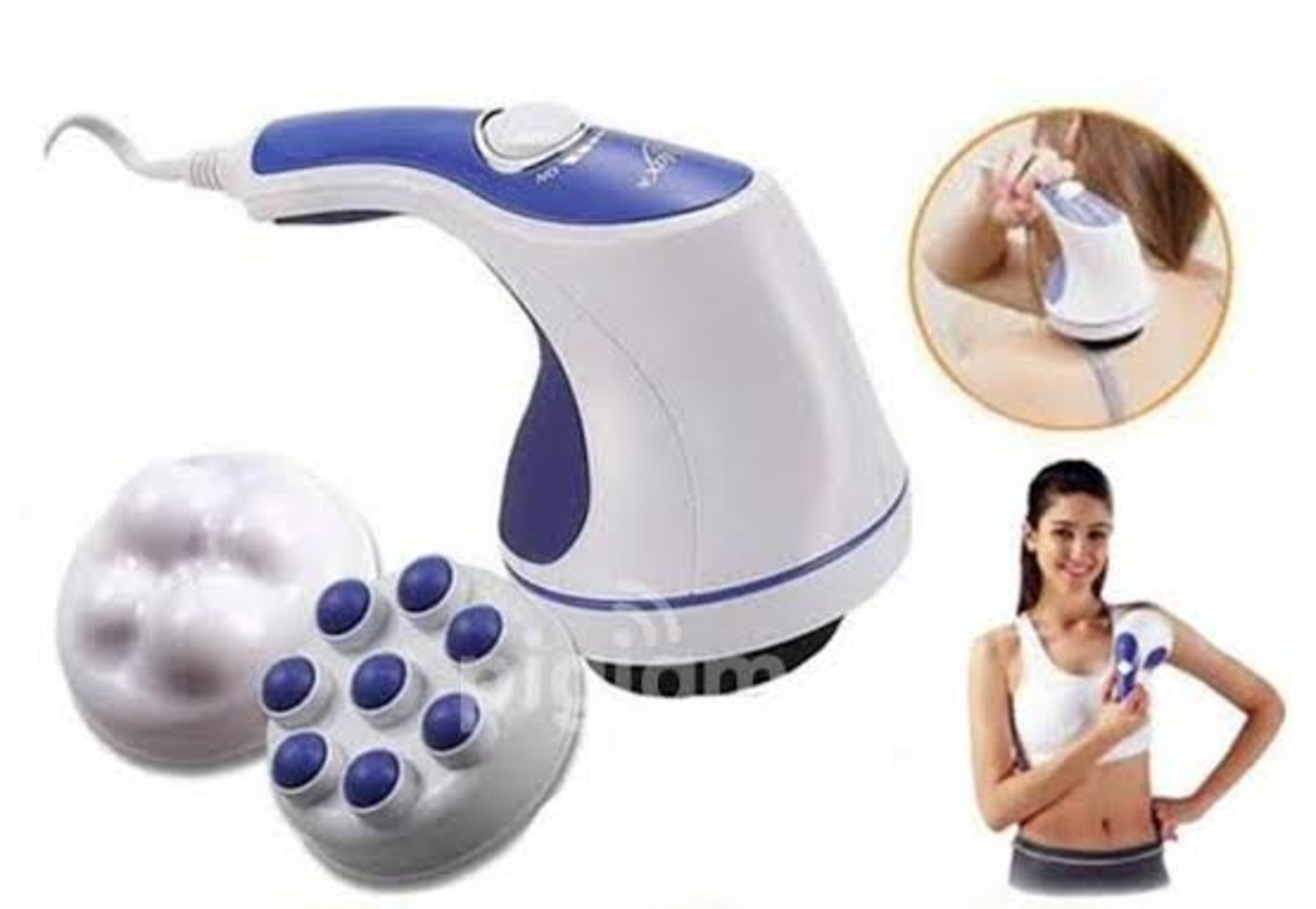
The term “massager” refers to a hand-held and wearable gadget that makes use of pressure, vibration, or heat to relieve tension in muscles and increase circulation. The ideal type is dependent on the issue you’re trying to solve. A massage gun that is designed to aid in deep muscle recovery performs differently from a heated cushion intended for everyday stiffness, and choosing an incorrect one can be a common reason that people don’t feel satisfied when they purchase a product.
This guide explains the way that they work in the real world, what type is appropriate for the best for what situation, what you should look out for in regards to safety, and what is the real reason behind the difference in price between a cheaper model and one that is more expensive.
How Massagers Actually Work?
The majority of massagers depend on one or more of 5 mechanisms. Knowing these will make the purchasing choice much more streamlined, since the mechanism is what determines what the device can do.
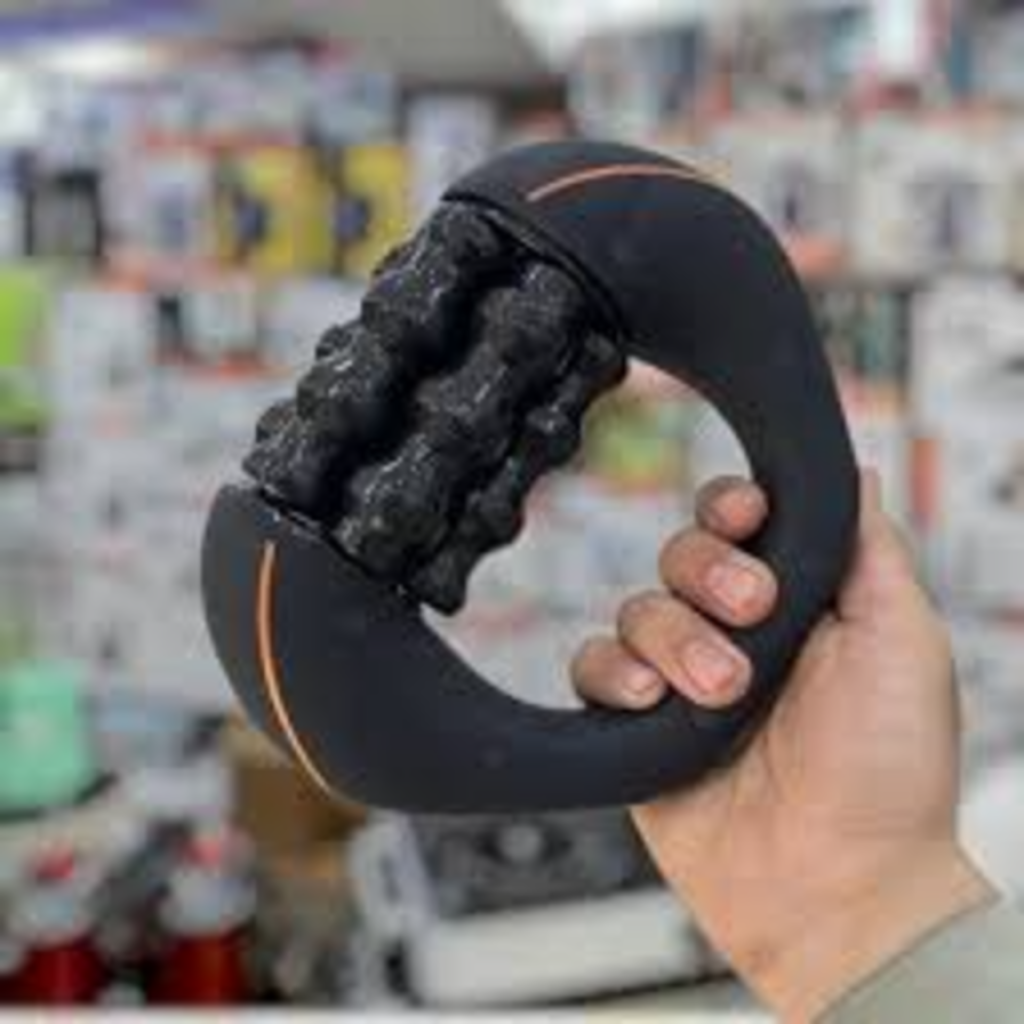
Vibration and percussion devices emit high-frequency pulses that penetrate muscle tissue. This is the category massage guns are part of and is designed for deep recovery of muscles. Rolling or kneeling massagers employ rotating nodes that resemble a hand massage therapist, which is the basis of most massage devices.
The compression massagers utilize inflatable air chambers that compress and release in a rhythmic manner, frequently used on the legs and arms. The use of heat therapy, typically infrared, as well as a heater, improves blood flow to the area and loosens tight tissue more than mechanically adjusting it. Additionally, static pressure devices such as cushions, rollers, and fixed nodes can be used to regulate the intensity and duration of the treatment yourself.
The reason that any of this is beneficial isn’t too difficult to understand. Mechanical stimulation can increase blood flow and trigger nerve receptors that reduce the sensation of pain, an aspect that is connected to the theory of pain control through gates; this is the same fundamental concept that is behind the reason that rubbing a toe can make it less painful quickly. It’s a true physiological reaction, but an infrequent one.
Types And Comparison:
| Type | Best For | Typical Areas | Intensity |
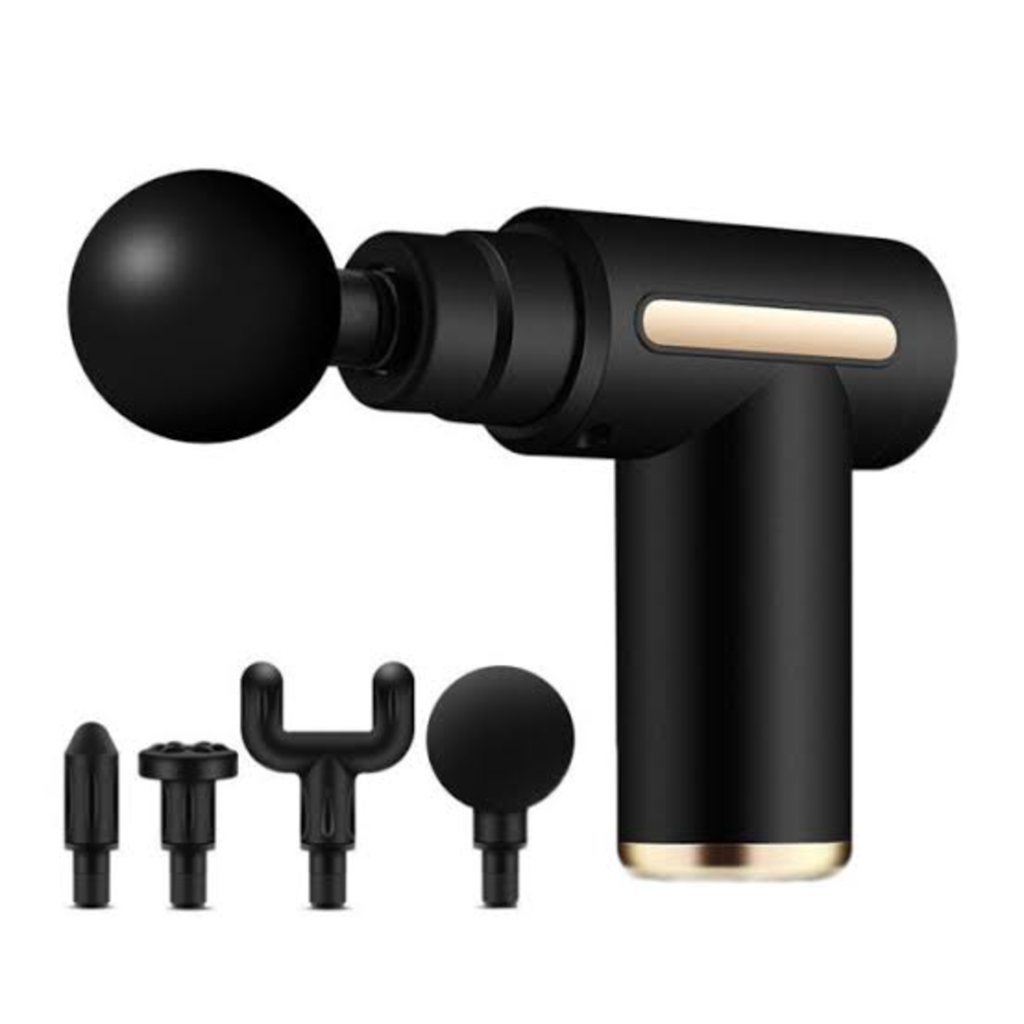
| Percussion (massage gun) | Muscle recovery, athletes deep knots | Legs, back and shoulders | High |
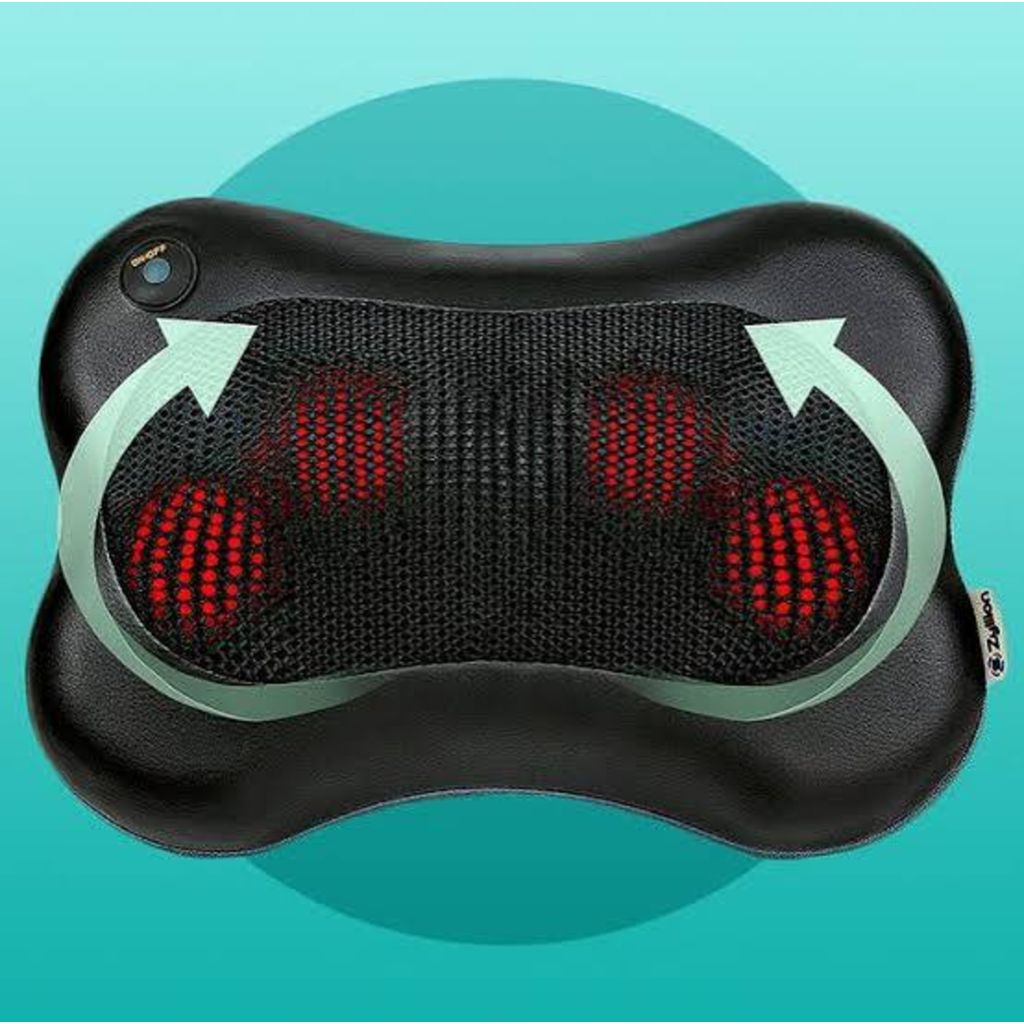
| Shiatsu kneading | General relaxation, day-to-day tension | The back, shoulders, neck | Medium |
| Handheld vibration | Rapid relief, travel use | Full body | Low-Medium |
| Compression sleeves | Leg fatigue, circulation | Arms, legs | Medium |
| Heated cushion | Cold muscles, chronic stiffness | Lower back, in the back | Low-Medium |
| Foot massager | Standing fatigue, plantar tension | Feet, calves | Medium |
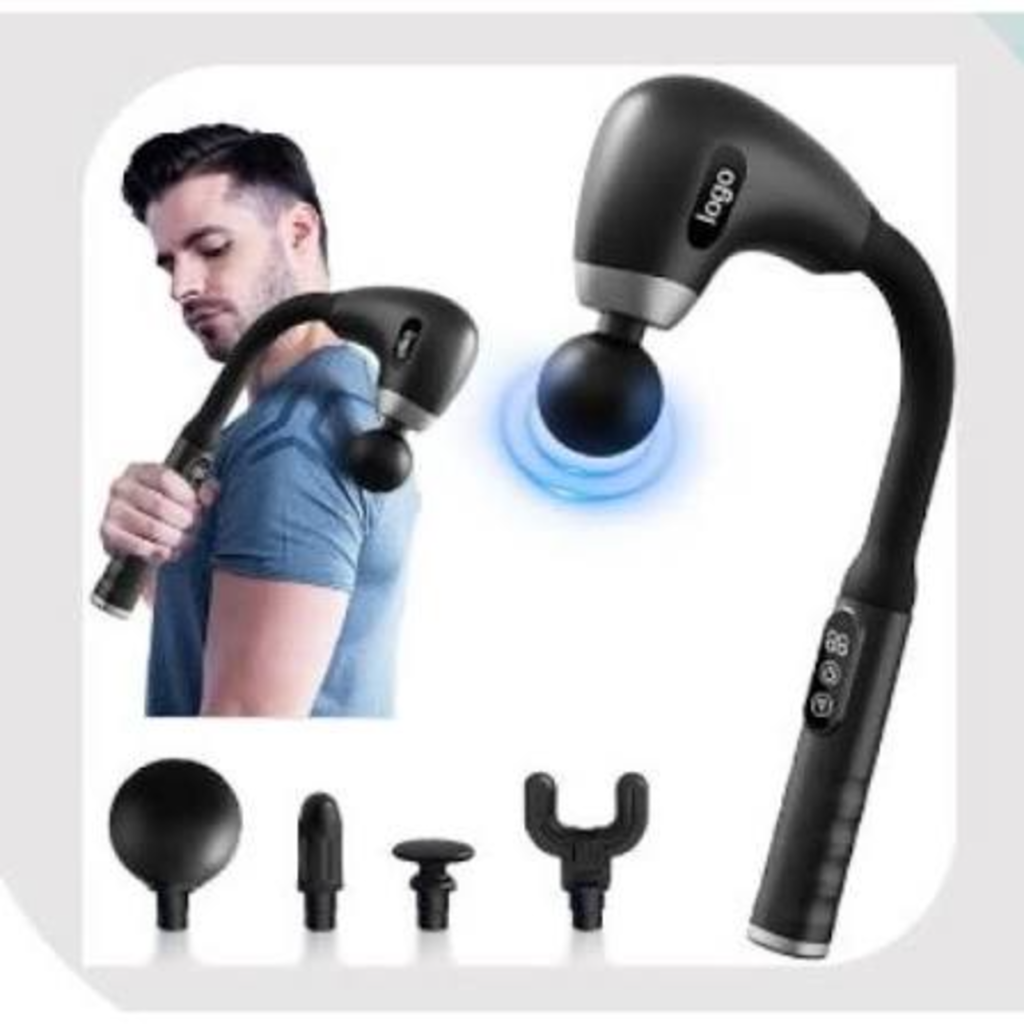
If you’re looking for post-workout recovery, percussion is the obvious choice. It’s the most studied and widely utilized tool in the world of sports for this goal. If you’re looking to ease off after a tiring day, Shiatsu or a heated cushion is a better choice, and the lower intensity will be more comfortable and less forceful. If you’re constantly on your feet all day, or frequently fly, compression sleeves can solve one issue that the other categories can’t: circulation and fluid accumulation within the legs.
It’s important to note that massagers aren’t an alternative to massage therapy by a professional or physical therapy. They’re an added tool. Therapists can identify and address issues in ways that a device cannot, and for any issue that goes beyond general muscle tension, this distinction is crucial.
Who Should Be Cautious?
Massagers are generally safe for normal use, but they are an item that falls under the health category that includes a few categories where you should consult an expert before using them:
- Patients with blood clotting problems or on blood thinners.
- Patients who have had recent surgery or fractures, or with open wounds within the area of treatment.
- Patients with osteoporosis that is severe.
- If you experience numbness, or nerve damage (such in diabetic neuropathy) in the location that is being treatment.
- Varicose veins, or active infections within the area of concern.
The pregnancy should be treated as a separate issue. Certain pressure points, as well as lower back and abdominal use, are generally not recommended when pregnant without medical guidance, although gentle massage on the feet or shoulders is generally considered to be less risky. Similar to the other conditions listed above, it is an excuse to talk with a doctor first, but not a reason to stay clear of massagers completely.
It’s important to understand that consumer massagers are usually classified as consumer electronics that are general in nature instead of medical devices, as long as they don’t advertise specific claims for diagnostic or therapeutic use. This distinction — health and wellness devices for consumers versus medical devices- is one reason why the safety advice here is general, not clinical, and also why a physician’s input is important for anyone suffering from an existing health issue.
How to Choose the Right One?
A simple framework could help you make the most of decisions:
- The goal is to identify the real one. Recovery, relaxation, circulation support, and chronic stiffness all point to an individual category.
- Match sensitivity to intensity. Larger muscle groups such as the back and thighs are able to handle more intense levels; however, delicate areas like the feet and neck require less.
- Take into consideration who is making use of it. Shared household use can benefit from adjustable intensity settings, while the use of a single device can be more customized.
- Examine the practical aspects. The level of noise, battery life as well as the weight and attachments are all factors that affect the daily use of the app greater than what users imagine they’ll.
- Check this security checklist prior to taking the next step.
- Using a Massager Safely
- Start with the lowest setting, even if it’s an old device that you’ve previously used.
- Avoid contact with bone joints or the spine. Focus on the muscle tissue in particular.
- The device is moved slowly over the muscle instead of holding it in one position.
- Limit your training to 10-20 mins for each area each day, and only once or twice per muscle, but not more than that.
- Take action immediately If you feel pain or numbness which is severe. There may be some discomfort or soreness after the procedure is normal. Sharp pain isn’t.
- Beware of devices that stimulate your body, like percussion massagers, prior to bed, as for a lot of people they’re more stimulating than relaxing.
What the Evidence Actually Supports?
It’s worthwhile to separate the things massage professionals do consistently and what marketing may suggest they can do.
The evidence-based benefits include a temporary reduction in stiffness and muscle soreness, a temporary increase in blood flow to the local area, increased mobility immediately following usage, and a true relaxation of stress due to stimulation via touch.
Some claims worth being skeptical about are “toxin removal” (the lymphatic system and kidneys deal with this; massage is only a supporting role but is not a detox mechanism) and the ability to reduce fat or eliminate cellulite through vibration by itself permanently, and the notion that massagers can be used as a substitute for physical therapy in an underlying musculoskeletal issue.
The reality of a this project is that it can be an effective recuperation and comfort tool, which is extremely beneficial; however, it’s not a treatment for an underlying medical issue.
What Drives the Price?
This product pricing is highly variable based on a few specific variables, rather than the branding alone. Instead of providing figures that become outdated, it’s better to understand what you can to compare:
- Pump or motor quality: This is the primary aspect of performance, particularly in percussion devices.
- Life of the battery and time to charge are more important than you think if you’re using it regularly.
- The level of noise -Percussion devices in particular differ widely
- Warranty duration is a reliable indicator of how confident a company is about the motor’s longevity.
- Attachment Variety is more appropriate for multi-use devices, percussion and percussion than one-purpose devices like compression sleeves.
For use on a limited basis, the cheapest device is usually sufficient. For everyday or sports-related use, spending more on battery and motor quality is usually worth it in the long run.
Buying for Professional or Business Use:
Clinics, spas, and other retailers that are looking at them that are intended for resale or client-facing use are operating from an entirely different set of criteria than an individual purchaser. Durability and durability under usage are more important than for casual home use, and the ease of cleaning for clients can be a need rather than a nice-to-have. Commercial-use warranties are to be considered, especially since most consumer warranties do not cover the use of a business or a client.
Additionally, there’s a regulatory issue that is worth mentioning: if a product is advertised with specific claims for medical or therapeutic use instead of general wellness language, the product could change from being viewed as an electronic consumer product into an instrument that is regulated for medical use, depending on the location. Businesses that make purchasing or marketing decisions concerning massagers need to be aware of this line, as it also impacts the products they select to offer and the way in which the products can be described to customers.
Maintenance and Care:
Make sure to clean the contact heads following each use with a damp cloth rather than immersing the device in water unless the device is specifically made for water exposure. Keep batteries at half charge when a device isn’t going to be used for a long time, and then replace broken or damaged attachment heads instead of using damaged parts to improve efficiency and also for hygiene reasons in professional or shared settings.
FAQ
1. Do they really work, or is it merely a placebo? There’s a real biological basis for it — increasing circulation of blood and stimulation of nerves can reduce soreness and muscle tension. The effects are usually short-term, and that’s why massagers work best in conjunction with other techniques for recovery, not as a stand-alone solution.
2. What is the optimal time to apply a massager in a single period? Most guidance points to 10-20 minutes for each muscle group, but at least two or three sessions per day in the same spot to prevent irritation.
3. Do I need to make use of a massager throughout the day? Generally yes, especially for athletes with the soreness of training. However, it’s important to alternate targets and avoid intense use on the same place day in and day out.
4. Do you need to be cautious when you use massagers while pregnant? Certain pressure points and abdominal or lower back use are usually not advised during pregnancy without medical advice. The gentle use of the feet or shoulders is typically thought to be lower risk; however, confirming with an obstetrician is the best way to go.
5. What is the difference between the massage gun and a normal handheld massager? Massage guns use the percussion technique — which is small, forceful strokes directed at the deep muscles -in contrast to standard handheld massagers that tend to use gentler vibrations or kneading, which makes them more suitable for general relaxation rather than deep tissue recovery.
6. Does a massager aid to ease lower back discomfort? It can ease tension caused by muscles within the back of your lower area; however, when the cause of pain is an issue with the disc or nerve pressure, massage therapy can’t solve the underlying issue, and a medical examination is the next best step.
7. Do you think heat makes the them more efficient? For chronic stiffness, it is a true supplement — it relaxes tissues and boosts blood flow prior to or during a massage. For chronic injuries or newly inflamed swelling, however, it is recommended to avoid heat. should not be recommended for the initial 24 hours.
8. Are less expensive massagers worth buying, and should I spend on them? For occasional use, the budget-friendly devices usually do a great job. For everyday or sports-related use, it is recommended to invest in a stronger motor and battery performance, which is likely to yield longevity and reliability over the course of time.
Conclusion
The best massager for you depends on making sure the device is geared to your actual needs instead of chasing the most effective speed or flashiest marketing. First, identify what you’re trying to solve: recovery, relaxation, circulation, or chronic stiffness. You should then examine it in relation to the safety requirements, if they are applicable to you. Then, look at specific models in terms of the quality of the motor along with battery life, warranties, not just the price. This is a tiny amount of thinking upfront that will prevent many from acquiring the wrong device that meets the needs they’re looking to be used for.
These information about Best massager are gathered from different surveys, medical tests and tech giants like Reviewed and more. Our top priority is to provide you valuable information about Best massager .
For More Details About Different massage chair Click Here.