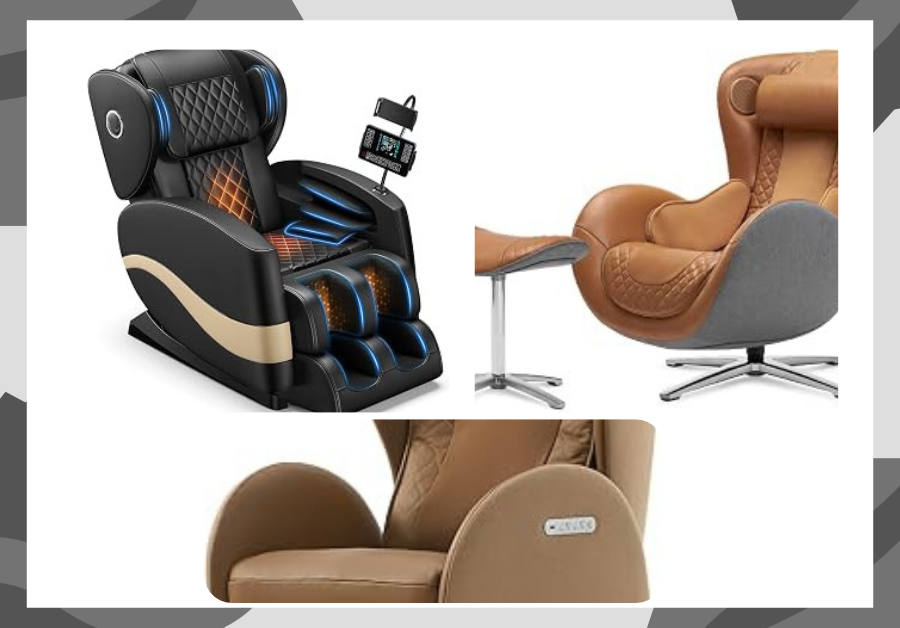
Panasonic Massage Chair: What You Are Really Buying?
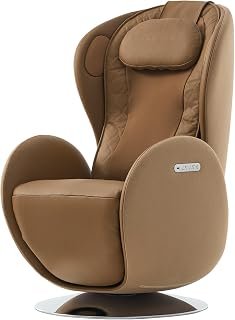
A Panasonic massage chair is a full-body recliner from Japan’s Panasonic Corporation that uses motorised rollers, air cells and heat to imitate a hands-on massage. Its flagship technology is called Real Pro Ultra, and the chairs are known for quiet operation, precise roller movement and a premium price.
If you are searching for one, you are probably asking a bigger question: is this really worth several thousand dollars, and which model suits my body, my room and my budget? This guide answers that, including the parts product pages tend to skip, like which models are retired, when a cheaper rival makes more sense, and who should avoid a massage chair altogether.
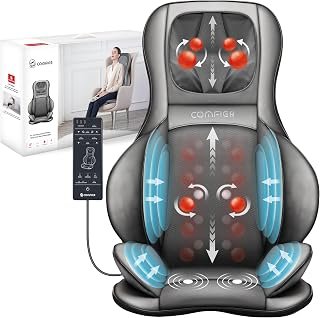
Why Panasonic Stands Out in the Massage Chair Market?
Panasonic massage chair is one of Japan’s best-known electronics and appliance makers, headquartered in Osaka. That heritage matters because a massage chair is a long-term machine with motors, sensors, wiring and upholstery that must survive years of use.
Three things consistently come up when owners and retailers describe the brand:
- Refined, human-like movement. Real Pro Ultra rollers combine kneading, tapping and rolling rather than repeating one mechanical pattern.
- Quiet motors. Retailers describe whisper-quiet brushless motors. Verify this in a showroom, since noise is subjective.
- Engineering trust. Buyers expect better build quality from a company that makes appliances at scale.
The trade-off is price. Panasonic massage chairs cost more than many multi-feature rivals, and some come with fewer gadgets such as built-in speakers.
How the Real Pro Ultra System Works?
Understanding the mechanism helps you judge whether the premium is justified.
Roller movement: 3D, 4D and 5D explained:
A 3D mechanism moves the rollers up and down, side to side, and in and out, so pressure can be adjusted in depth. 4D adds control over speed and rhythm, which makes the massage feel less repetitive and more like a therapist’s hands. 5D, used on Panasonic massage chairs newest high-end chair, adds pressure sensing so the chair can adjust intensity in real time. Retailers describe the MAN1 as adjusting intensity about 100 times per second.
If that sounds like marketing, treat it as a reason to test. The difference between 4D and 5D is most noticeable on tight areas like shoulders and the lower back.
Techniques you will see on the spec sheet:
- Junetsu Ultra Kneading: tight, spiral movements designed to loosen stubborn muscle
- Shiatsu: Japanese-style point pressure
- Swedish: longer, gentler strokes
- Rolling and tapping: rhythmic movement to stimulate and relax
- Stretching programs: neck, chest, lower back, pelvis, legs and, on some models, core
Air cells, heat and recline:
Air cells inflate and deflate around the shoulders, arms, hips, calves and feet to squeeze and release. Heated rollers, described as infrared on the MAK1, warm the back while you are being massaged. Many models also include knee traction and a reclining posture that takes pressure off the spine.
Current Panasonic Massage Chair Models:
Panasonic massage chairs range has changed over the years, and many web pages still rank for older chairs. Here is how the current and retired models sit.
| Model | Tier | Key traits | Typical US listing* |
| MAF1 | Compact, entry to premium | 4D mechanism, foot rollers, air massage, about 27 inches wide | Around $3,999 |
| MAK1 (EP-MAK1, Real Pro Ultra Prestige) | Flagship | 4D, infrared heated rollers, full-body air massage, knee traction, 3 saved user profiles, tablet remote | Around $12,499 (list $15,000); factory-certified around $9,997 |
| MAN1 | Top tier | 5D with pressure sensing and A.I. adjustment, heated rollers | Factory-certified around $11,899 (original $15,999) |
*Prices are US retailer listings in 2026 and change often. Always confirm with an authorised dealer.
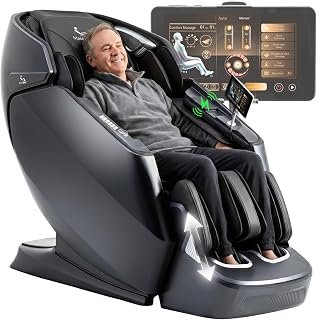
Retired models you will still see online:
The EP-MA73, MAJ7, EP-MA10 and older EP-MA70 appear on many pages but are marked retired or discontinued by retailers. They may still show up as used or refurbished units. If you find one, ask about warranty cover and spare parts before buying.
What Does a Panasonic Massage Chair Cost?
The honest answer: roughly $4,000 for the compact MAF1 and $10,000 to $16,000 for the flagship MAK1 and MAN1, depending on retailer, promotion and whether the unit is new or factory-certified.
Outside the US, add import duty, VAT or GST, and delivery. Prices in the UK, Australia, the Gulf states, India and Japan will differ, and some models are sold only in certain regions.
New vs factory-certified:
Factory-certified chairs are refurbished units, typically sold at a discount, sometimes with a warranty. They can be a smart way to get a flagship for less, provided the seller shows what was inspected, what warranty applies and who services the chair.
Is it worth it? A quick cost-per-session check:
Say a $10,000 chair lasts eight years and you use it four times a week. That is about 1,670 sessions, or roughly $6 each, before electricity and servicing. A professional massage often costs more than that per visit. The maths only works if you will actually use it, so be honest about habits.
Who Should Buy a Panasonic Massage Chair?
| A good fit | Probably not for you |
| Desk workers with recurring neck, shoulder and lower-back tightness. | Buyers with a strict budget under about $3,000. |
| People who value quiet, refined massage and brand reliability. | Anyone wanting built-in speakers and lots of extras. |
| Gym-goers who want recovery and stretching at home. | Very small rooms with no space to recline. |
| Households wanting one durable chair for several people (3 saved profiles). | People with conditions that rule out massage (see below). |
B2B: hotels, spas, clinics and showrooms:
Businesses buy massage chairs for guest lounges, wellness rooms and retail demos. Panasonic massage chairs reputation helps with perceived quality, but check commercial warranty terms directly with Panasonic or an authorised distributor, since home warranties often exclude heavy commercial use. Ask about service response times before you commit to several units.
Panasonic vs Other Massage Chair Brands:
Panasonic massage chair is not the only strong option, and some buyers will be happier elsewhere.
| Brand | Where it tends to shine | Things to consider |
| Panasonic | Refined feel, quiet, brand trust, strong deep-tissue programs. | Premium pricing, regional range, fewer extras. |
| OHCO | Frequently ranked at the top of 2026 roundups. | High price, compare feel in person. |
| Positive Posture | AI-enabled models and lower-cost options with features like SL-track and zero gravity. | Different feel and design. |
| Osaki | Wide range, advanced motion control, Bluetooth speakers. | Quality varies by model. |
| Inada, Fujiiryoki, Luraco, Human Touch | Alternatives with distinct feel and price points. | Availability varies by country. |
If you cannot decide, sit in at least two brands back to back. Your body will usually decide faster than a spec sheet.
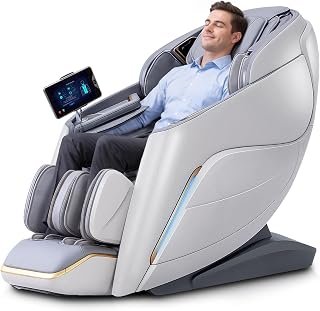
How to Choose the Right Model: A Simple Framework?
- Define your goal. General relaxation, a stiff upper back, or athletic recovery all point to different models.
- Set a total budget. Include delivery, installation, extended warranty and floor protection.
- Measure your space. The MAK1 is about 47 inches high, 33.5 inches wide and 51 inches deep upright, and it needs extra room to recline. Measure doorways and stairwells too.
- Check your height and build. Retailers publish recommended user heights; confirm yours before ordering.
- Test for 15 to 20 minutes. Short demos hide discomfort.
- Compare warranty and servicing. One US retailer lists a 3-year manufacturer’s warranty with an optional 5-year extension. Confirm the terms in your country.
Quick decision paths:
- Small room or tight budget: start with the MAF1.
- You want the deepest, most customisable massage: the MAK1 is the proven flagship.
- You want the newest pressure-sensing technology: look at the MAN1.
- You cannot try one first: insist on a clear return policy.
Pros and Cons at a Glance:
Pros:
- Respected Japanese brand with long appliance heritage.
- Natural-feeling, varied massage movements.
- Quiet operation, according to retailer and owner descriptions.
- Saved profiles for up to three users on high-end models.
- Compact option available for smaller homes.
Cons:
- High price, especially for the MAK1 and MAN1.
- Heavy and large, so delivery matters (curbside delivery usually means you move it yourself).
- Availability and models differ by country.
- Retired models still clutter search results.
- Showroom access can be limited outside big cities.
Safety: Who Should Talk to a Doctor First:
A massage chair is a wellness product, not medical treatment. Speak to a doctor before using one if you:
- Have a pacemaker or other implanted device.
- Are pregnant.
- Have osteoporosis, a herniated disc or a recent spinal injury or surgery.
- Have a history of blood clots or circulatory problems.
- Are receiving treatment for back or nerve pain.
Keep sessions to the time recommended in the manual, often around 15 to 20 minutes. Do not let children or pets play on or near the chair, and do not sleep deeply in it.
Buying Tips for Buyers Around the World:
A Panasonic massage chair bought in one country may not be ideal in another. Before you order:
- Check voltage and plug type. Japanese models run on different mains power than many overseas homes. Do not rely on a converter without Panasonic massage chairs guidance.
- Confirm electrical certification for your country.
- Ask about warranty validity. Grey-market imports can lose manufacturer support.
- Use an authorised dealer and keep your invoice.
- Ask who services the chair and where the nearest technician is.
- Plan for delivery. Ask whether installation and packaging removal are included.
If you want to try one first, look for authorised Panasonic massage chair dealers and multi-brand massage chair showrooms in your area, or ask online retailers about their return terms.
Care and Maintenance
- Wipe the synthetic leather with a soft, slightly damp cloth, and avoid harsh solvents.
- Keep the chair out of direct sunlight and away from heaters.
- Place it on a protective mat to prevent floor marks.
- Use a surge protector, especially where mains power is unstable.
- Unplug it during storms or long absences.
Alternatives to Consider
- Massage seat toppers: cheaper, but they cover less of the body.
- Handheld percussion massagers: good for targeted knots without full-body automation.
- Professional massage therapy: better for specific problems, though costs add up.
- Physiotherapy or chiropractic care: the right path for persistent or severe pain.
Frequently Asked Questions
1. Are Panasonic massage chairs good?
Yes. They are known for quiet operation, refined massage movement and strong build quality. They sit at the premium end of the market, so compare them against other brands before buying.
2. How much does a Panasonic massage chair cost?
US listings run from about $4,000 for the compact MAF1 to roughly $10,000 to $16,000 for the MAK1 and MAN1. Factory-certified units, taxes, delivery and warranty extensions change the final cost.
3. Which Panasonic massage chair is best?
The MAK1 is the established flagship, and the MAN1 adds 5D pressure sensing. The MAF1 is best for small spaces and lower budgets. The “best” one depends on your body, room and budget.
4. What is the difference between 4D and 5D?
4D adds speed and rhythm control to the 3D roller movement. 5D adds pressure sensing so the chair can adjust intensity continuously as you are being massaged.
5. Does Panasonic massage chair still make the MA73 or MAJ7?
No. Retailers list the EP-MA73, MAJ7 and EP-MA10 as retired. You may still find them used or refurbished, so check warranty and parts support first.
6. How long does a Panasonic massage chair last?
With normal use and care, many massage chairs last around seven to ten years or more, but lifespan depends on the model, how often you use it and maintenance. Check what the warranty covers.
7. Can a Panasonic massage chair help with back pain?
It may ease muscle tension and help you relax, but it is not a medical treatment. See a healthcare professional for persistent or severe pain.
8. Is a Panasonic massage chair worth it compared with professional massage?
If you will use it several times a week for years, the cost per session can drop below the price of a professional massage. If you will use it only occasionally, a pay-per-session approach may be better value.
9. Can a business use a Panasonic massage chair commercially?
Many businesses do, but confirm commercial warranty terms and service coverage with Panasonic or an authorised distributor first, because home warranties often limit commercial use.
Conclusion
A Panasonic massage chair makes sense if you value quiet, precise, durable massage and are comfortable paying a premium. It is not the cheapest route, and it is not the best fit for everyone.
Start by choosing your goal and budget, measure your space, and test at least two brands for 15 to 20 minutes each. Confirm the exact model, warranty and service coverage in your country, then buy from an authorised seller and keep your invoice.
If you are unsure, begin with the compact MAF1, or consider a factory-certified MAK1 for flagship performance at a lower price.
These information about best Panasonic massage chair are gathered from different surveys, medical tests and tech giants like Reviewed and more. Our top priority is to provide you valuable information about best Panasonic massage chair.
For More Details About Different massage chair Click Here.