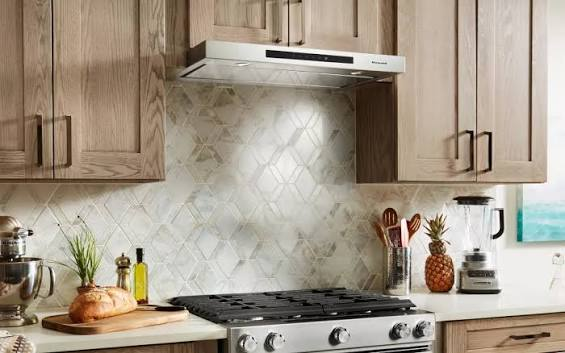
Range Exhaust Systems: The Complete Guide to CFM, Venting & Installation.
Everything you should be aware of regarding range exhaust system, including how they function, CFM sizing, ducted and. the ductless option, installation maintenance, and cost.
A system of range exhaust for your cooktop includes a hood equipped with an electronic blower unit that pulls smoke, steam heat, fat-laden air out of the cooking surface or by venting the air outside or filtering it and then circulating it back into your living space. Most kitchens need between 300 and 1200 CFM of exhaust capacity dependent on the stove’s fuel type and type as well as the style of the mounting.
If you’ve ever entered the kitchen and instantly realized that the cook was there within an hour or so, you’ve encountered a range exhaust system that’s not doing its job. If you’re looking to purchase a new hood, fix the weak one, or try to determine what “CFM” even means, this guide will walk you through everything from the fundamentals of airflow to the reality of the cost of installation.
What Is a Range Exhaust System, Really?
Based on where you live, it could be called a range exhaust hood, cooker hood, or an extractor fan, or “the vent above the stove.” They all share the same concept: one that is a canopy to capture the cooking range exhaust rising, and is paired with a motor which either lets the air go outside or filters it before sending it back to the kitchen.
The basic components are:
- Canopy, also known as hood body -the visible body which captures the air rising
- Blower motor – the fan that moves air
- Filters -Baffle or mesh filters trap grease; charcoal filters take in odors
- Ductwork — the route exhaust travels in order to reach the outside (ducted system only)
- Damper for backdraft -A flap that prevents bugs, air, or exhaust from leaking back into
This is the entire system. What differs quite a bit is the degree to which each version is performing in the field, and that’s where venting and sizing options play a role.
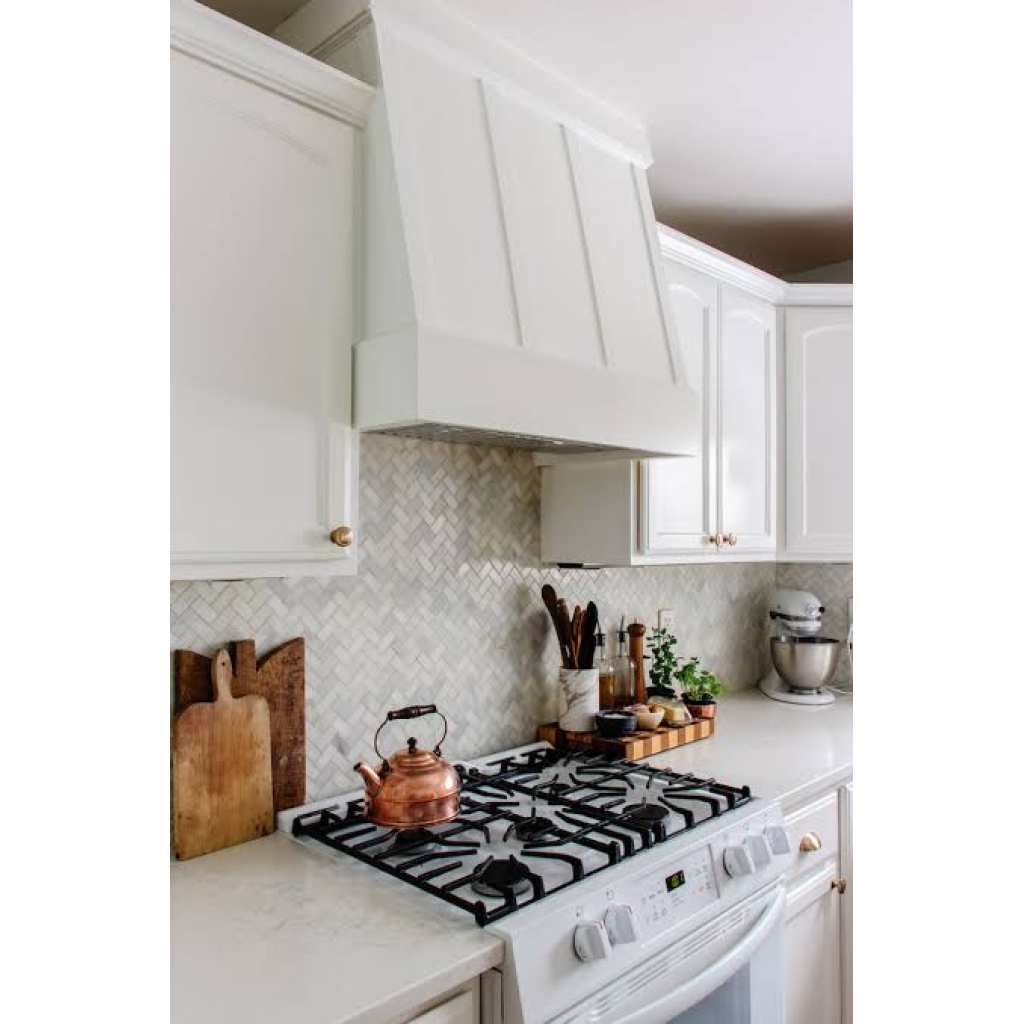
Why It Actually Matters?
It’s not difficult to view the range exhaust hood as decorative. However, it’s not. Cooking, particularly over gas flames as well as at very high temperature emits fine dust and byproducts into the air that you inhale. An appropriately sized exhaust system is among the easiest ways to maintain your air quality under control.
There’s also more subtle, less noticeable harm: grease film building over the cabinet’s faces, the humidity creating mold close to your stove, and grease-caked filters can become a real fire hazard if they’re not cleaned. A properly functioning exhaust system for your range can handle all of this, including moisture, heat, odor, as well as airborne grease, all in one go.
Who Needs to Pay Attention to This?
Every kitchen is not awash with the same risks. There are a few instances where the right decision is more important than normal:
- The owners of gas stations, as they are aware that combustion byproducts require active removal and not merely filtering
- Households who cook at high temperatures (searing and wok cooking, or frying) generate much more grease in the air than a typical dinner.
- Open-concept houses in which smoke and odors have no place to go
- Anyone who lives in an older structure that has an existing Hood is typically just a ductless, weak remnant from the past decade.
- Buyers of new construction and renovators, because a number of local codes are now requiring the minimum requirements for ventilation.
- Owners and tenants of apartments, as well as renters, are often trapped with only ductless setups because of building restrictions.
How Range Exhaust Actually Works?
Cooking causes a rising plume of moisture and heat. Physics takes care of the first process for you. The hood’s role is to stand over the plume and capture it before it flies off to the side of the room.
From there:
- The blower draws air upwards, through the filters.
- The particles of grease get caught in the baffle filter mesh.
- In a a ducted system in a ducted system, air flows through ductwork before exiting outside via a roof cap. It is then dampened by a cap, stopping it from returning inside.
- For a ductless setup in this case, the air goes through an air filter that is charcoal to neutralize odors, and after which it is then redirected back into the kitchen.
An important but subtle aspect is that a motor with a high horsepower can’t guarantee high performance. The range exhaust hood’s width, height of mounting, and duct routing all impact how much of the rising plume actually ends up being trapped and how much is released at the edges.
How Much CFM Do You Actually Need?
CFM is a reference to cubic feet of air per minute, which indicates how much air it is pumping out. The number will determine if the range exhaust Hood is actually cleaning the air, or if it hums with smoke swirling around it.
A few rules of sizing that can be used across all homes:
- Ranges of gas: about 1 CFM for each 100 BTU total output from the burner.
- Electric and induction areas: about 100 CFM per foot of range width.
- Peninsula or island Hoods The hoods can provide between 20-30 percent CFM than the wall-mounted hood because open-air capture isn’t as effective..
- A higher mounting elevation will require more CFM to keep the same capture performance.
| Range Exhaust Type | Output / Width | Suggested CFM |
| Standard 30″ electric | 30″ width | 300-400 CFM |
| Standard 30″ gas (~45,000 BTU) | 45,000 BTU | 450 CFM |
| Pro-style 36″ gas (~65,000 BTU) | 65,000 BTU | 650-900 CFM |
| Island cooktop 36″ gas | 65,000 BTU | 800-1,100 CFM |
| Commercial style 48″ range | 90,000+ BTU | 1,200+ CFM |
There is a catch to be aware of prior to purchasing the largest blower on the market: most construction codes call for the installation of a cosmetic air device after range exhaust has exceeded the specified CFM threshold, typically about 400 CFM.
Makeup air is simply bringing in a similar amount of air from outside to replace the air that the hood is removing, without the need for a powerful range exhaust fan that could depressurize the building and push out gases that have been emitted back to the gas flue or water heater. This may sound complicated; however, the idea is simple: air needs to be able to get there from someplace, and a powerful exhaust fan must have a way to let air in.
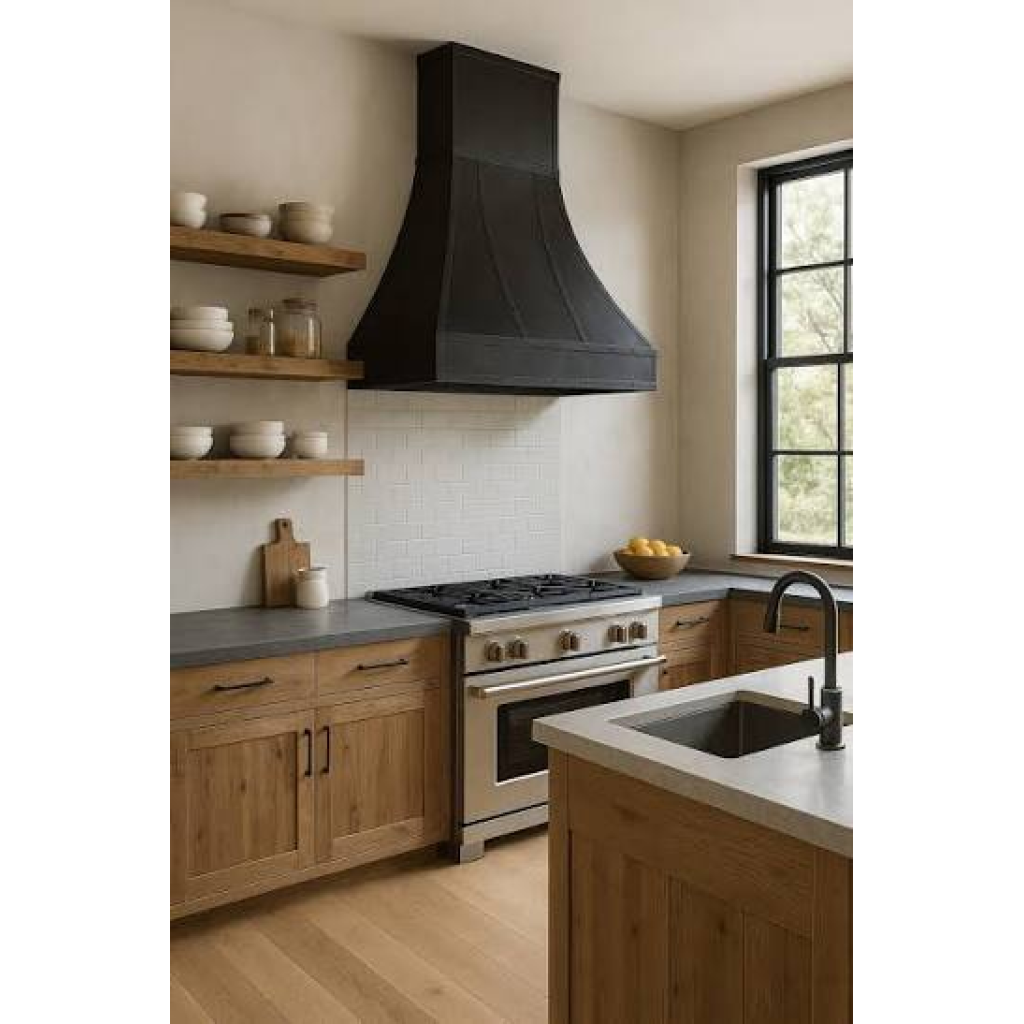
Ducted and Ductless: Which is the Best for You?
This is typically the most crucial choice and boils down to the rules of your home and how serious you cook.
| Factor | Ducted (Vented Outside) | Ductless (Recirculating) |
| It removes moisture and heat | Yes | No, filters do not odor only |
| Improvement in the quality of air | High | Moderate |
| Installation complexity | Higher — requires external venting | Lower |
| Best fit | The gas stoves are often used for even heavy cooking | Light cooking buildings with no access to ducts |
| Upkeep on a regular basis | Occasional duct cleaning | Regular charcoal filter replacement |
Ducted systems are usually the most efficient because they take air away instead of recycling it. However, ductless range exhaust hoods are available for good reasons- older homes without exterior walls or shared ducts in apartments, or to meet budget restrictions for kitchen renovations. Both aren’t “wrong”; they’re suited to various situations.
Installing a Range Exhaust System, Step by Step
If you’re considering an installation that is ducted — whether you hire it out or complete it yourself- the procedure typically is as follows:
- Check your desired CFM and hood size based on the range you have.
- Choose the straightest, shortest conduit route to the outside. Every elbow increases airflow resistance.
- Cut off the wall’s exterior or roof opening, and then put up a vent cap that has a damper for backdraft.
- The bracket for the range exhaust hood should be placed at the proper height, generally 24-30 inches higher than the electric cooktop and 30-36 inches above a gas range.
- Connect the ductwork by using rigid metal duct instead of flexible foil duct, depending on the length of the run.
- Make the electrical connection. High-CFM units typically require a separate circuit.
- Make sure that every joint is sealed with Mastic or metal tape instead of ordinary duct tape made of cloth.
- Examine the airflow and the damper. Install filters and trim.
The most frequent failure problem isn’t in the hood itself; it’s the wiring. A powerful blower coupled to a poorly sealed, excessively long, or flex ducting will not perform regardless of how impressive the specifications of the unit appear on paper.
What It Costs?
Costs differ significantly based on the region as well as the type of hood and how complex the duct runs are. So, treat these as general prices instead of fixed costs:
- Under-cabinet hood (unit only): budget tier
- The chimney hood mounted to the wall is mid-tier, and more expensive for the top brands like Zephyr, Vent-A-Hood, Wolf or Miele.
- Island Hood: the highest price per unit, with more complicated ducting
- Professional ducted installation work is typically the biggest line item, if not the installation itself, particularly when a new entrance is needed.
- Conversion via ductless or unit swaps is typically the least costly alternative.
If you’re looking for “range hood installation near me” or comparing local quotes and online, you must request at minimum two estimates, because the complexity of duct-routing and labor — – not the price of the hood is usually the cause of the variance between quotes.
Avoiding Mistakes:
- Undersizing CFM to create a gas with a high BTU range
- Utilizing flexible ducts for long runs restricts airflow
- The hood is too high, which reduces the efficiency of capture
- Venting into an attic or crawlspace instead of straight outside is a significant risk of mold and moisture
- Doing nothing to meet the makeup air requirements of high-CFM systems
- The uncleaning of grease filters can go on for months and can be both an airflow issue as well as a potential fire risk
Venting into an attic, in particular, is a matter of caution. It’s among the most commonly used DIY techniques and can cause invisible moisture damage that’s not found until much later.
Keeping It Running Well:
- Clean your baffle or mesh filters at least every 3 months, and more often when you cook frequently
- Replace the charcoal filters in the ductless systems every 6-12 months
- Wipe the body of the hood and the housing for the blower frequently
- Make sure to inspect the vent cap and damper annually for the buildup of grease or obstructions
- Make sure that the ductwork is professionally checked each year or every two years in a kitchen with a lot of use.
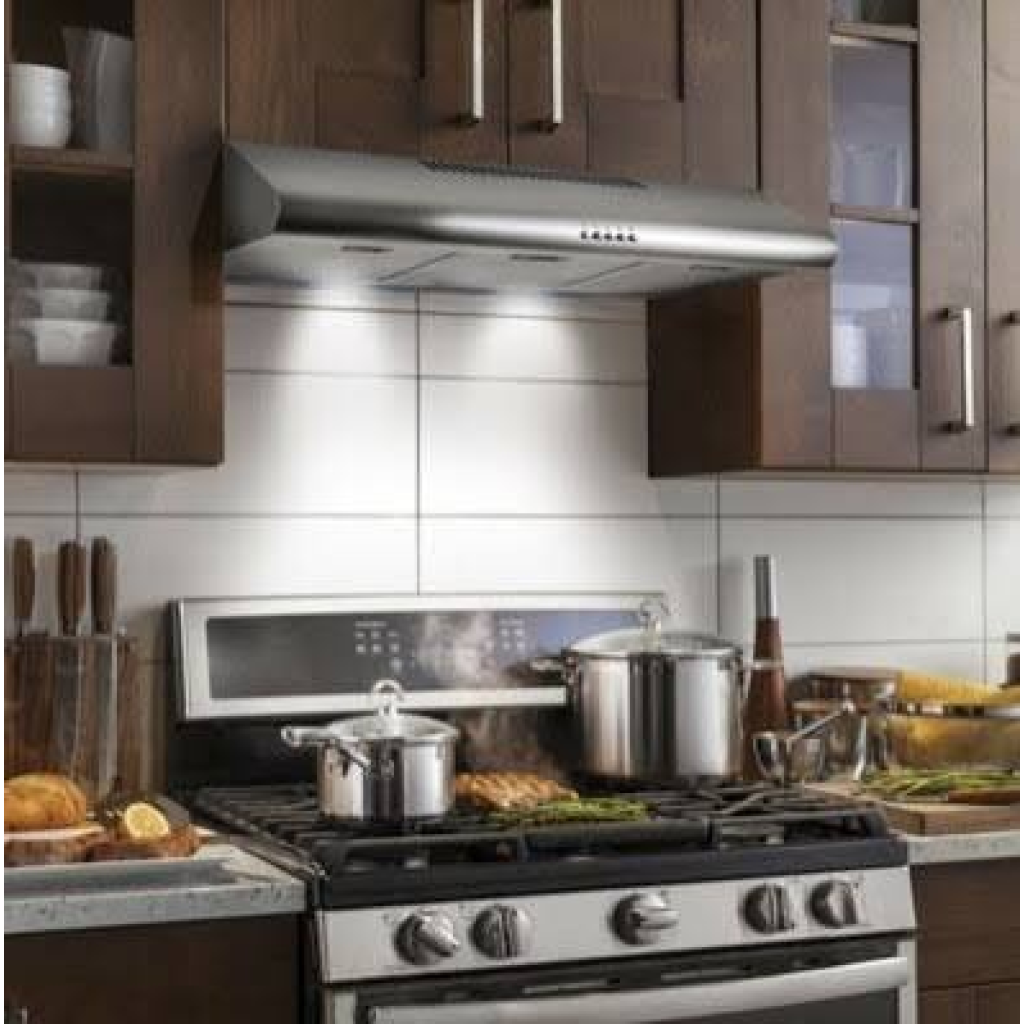
A Few Alternatives Worth Knowing:
Overhead hoods aren’t your only choice. Downdraft exhaust systems are positioned behind or inside the cooktop and retract when not in use and are popular for islands where hanging hoods isn’t feasible. Remote blower systems push the motor’s noise into the attic or onto an exterior wall, leaving just the silent canopy of the kitchen. In the case of whole-home strategies, certain homeowners mix kitchen range exhausts with a balanced air-conditioning system (like an HRV or ERV) instead of considering the kitchen as an isolated area.
FAQs
1.How much should the exhaust hood for a Range Exhaust be positioned?
Generally, 24-30 inches above the electric cooktop and 30-36 inches over a gas stove; however, the specifications of the manufacturer and local code must always be the last word.
2.Is a Range Exhaust hood with ducts actually worthwhile?
It’s all about setting up. Ductless Hoods can handle it well; however, they’re not in a position to remove the humidity or heat, which is why they’re best suited for cooking with less heat or in areas that don’t allow venting to the outside—an option.
3.Can I let the Range Exhaust hood to the attic?
No. This will funnel moisture and grease directly into an area that is not ventilated that can result in the development of mould and damages as time goes by. The exhaust must be filtered out and must be completely stopped.
4.Why does my Range Exhaust hood feel too high?
It’s usually an oversized blower that is paired with undersized or excessively long ductwork, which makes the fan more powerful than its capacity. Make sure to check the sone ratings prior to buying in case noise is an issue.
5.Which CFM do I really need to run a gas stove?
A typical base is one CFM for each 100 BTU of total output. Additional capacity can be added for island mounting or a higher-than-standard installation height.
6.Do I require an approval for ductwork in the Range Exhaust system hood?
In most cases, yes, especially if you’re cutting a new wall for an exterior or a roof opening. It’s recommended to discuss this with the building department in your area prior to beginning work.
7.What is the frequency I have to replace range exhaust or clean these filters?
Baffles, mesh, and filters generally need to be cleaned once every 3 months. Charcoal filters in ductless systems generally require replacement at intervals of 6-12 months.
Conclusion
The Range Exhaust system for your range is among those things that are easy to overlook until it fails to function properly — and then you’re often staring at your kitchen cabinets that are soiled or a smoky kitchen, thinking about what was wrong. It’s not difficult to fix it. You need to match the CFM to the range you have, opt for ducted venting whenever it’s practical, arrange the ductwork in a proper manner, and ensure that the filters are free of dust. Make sure you’re doing the basics right, and the exhaust system will fade to the background, doing what it’s supposed to do -silently, without thinking about it a second time.
These information about Range Exhaust are gathered from different surveys, medical tests and tech giants like Reviewed and more. Our top priority is to provide you valuable information about Range Exhaust .
For More Details About Different Electric stove Click Here.