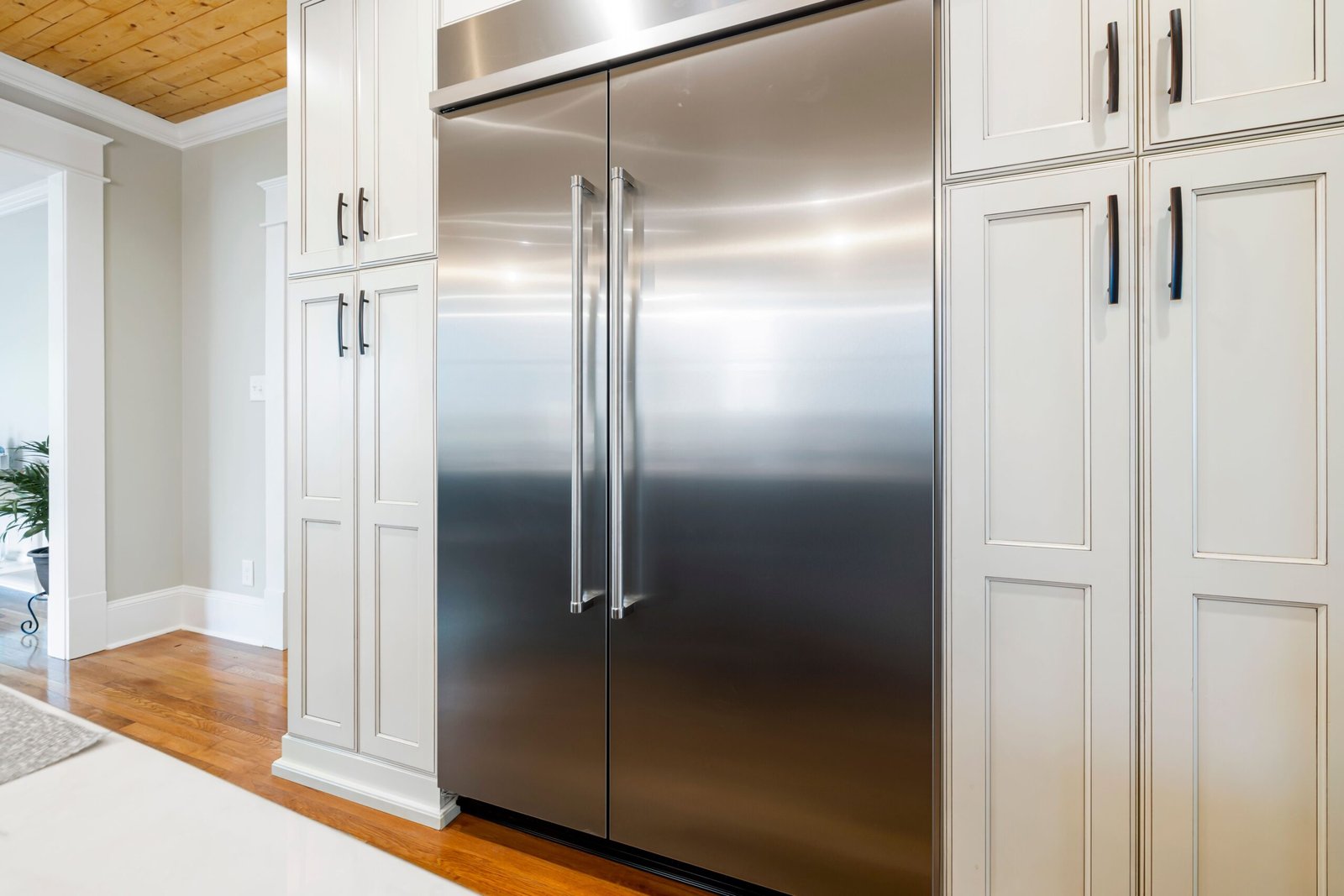
Garage Ready Fridge: What It Means, How It Works, and How to Choose the Right One.
If you’ve ever taken an extra fridge to the garage and discovered it freezing solid in January, or barely cold in July, then you’ve had the experience that the “garage ready fridge” is created to address. Garage ready fridges aren’t kitchens. It fluctuates according to the seasons, and most refrigerators aren’t made to handle this.
This guide explains what garage ready fridge actually means, why regular refrigerators struggle in a climate-controlled space, and how to pick the right model to stand up to the test, no matter where you’re buying from.
What Is a Garage Ready Fridge?
A garage ready fridge is a refrigerator designed to function properly over a wider temperature range than standard models, usually from near freezing to temperatures that exceed 100degF (38degC), according to the brand of manufacture. Certain brands promote the same concept as “all-climate” or “wide-climate” or “all-climate” refrigerator.
The primary difference isn’t purely an aesthetic one. It’s about how the unit determines when it should run its compressor.
A typical garage ready fridge has only one thermostat, which reads the temperature of the air within the cabinet. This is acceptable in the kitchen, where temperatures range from at an average of 68-72 degrees F. But, if the area within the refrigerator is garage ready fridge enough, your thermostat can get confused. That’s the point where things can go wrong.
Why Regular Fridges Fail in a Garage ready fridge?
This is the procedure that is described in simple English:
- A regular garage ready fridge thermostat is able to monitor the temperature inside the cabinet.
- If the temperature of the garage drops below 50-60 degrees F, the cold air that surrounds it keeps the room looking “cold enough” even when the compressor is barely running.
- The compressor is able to cycle, decreasing and decreasing; the refrigerant oil doesn’t circulate as well and, eventually, the freezer section stops freezing completely.
This kind of problem comes with its own distinct name within the realm of appliance repair: short-cycling, commonly referred to as “false off”. It’s not a problem for the refrigerator because it is being fooled by the thermostat into believing that it’s not required to run.
The heat causes another issue. In a hot garage ready fridge, the compressor will work overtime trying to adjust for the heat, which reduces its lifespan and increases energy consumption. It doesn’t matter either way; standard refrigerators weren’t intended to deal with it over the long term.
Garage ready fridge models solve this issue by using a two-thermostat system. One sensor monitors ambient temperature, while the second one monitors the internal cabinet, and the control logic regulates the compressor’s cycle in accordance with both. The latest models are equipped with variable-speed (inverter) compressors that modulate output, instead of just simple cycling on and off, along with stronger insulation and sturdier door gaskets that can withstand extreme temperature fluctuations outside.

Who Actually Needs Garage Ready Fridge?
The garage ready fridge you are in may not need an appliance that is garage-approved. When your garage is connected to the outside, is well-insulated, and maintains around 60-80 degrees all year long, an ordinary fridge could be sufficient.
A garage ready fridge unit is worthwhile when:
- You live somewhere that has real winter cold, or constant summer heat
- The garage is unattached or not insulated.
- You’re keeping bulk food items and beverages or game meat and don’t want to risk a bad batch
- You own a home-based enterprise (catering or baking) that relies on backup storage that is reliable
- There’s been a time when a normal refrigerator failed or stopped freezing within that space
Anglers and hunters are a frequent use case; having a chest freezer or garage-ready upright is usually the difference between properly stored game and a poor harvest.
What is rate of Garage ready fridge ?
This is where the majority of consumers are misled. “Garage ready fridge ” isn’t an approved industry standard; it’s a term that each manufacturer determines on its own. A particular brand’s Garage ready fridge model could be tested to 0 degrees F, and another model could be verified to be tested at temperatures around freezing.
Before buying, verify the spec sheet of the manufacturer to determine the exact operating temperature of the ambient in addition to the label. This one detail is more important than the logo on the package, particularly when your winters are truly cold.
Garage ready fridge Vs. Normal vs. Outdoor Fridges:
| Feature | Garage Ready | Standard Fridge | Outdoor/Weatherproof Fridge |
| Ambient range | Roughly 0degF-110degF (model-dependent) | ~60degF-90degF | Vary; designed to resist any direct exposure to elements. |
| Thermostat design | Dual thermostats and variable speed compressor | Single thermostat | Most often, single-speed, weatherproofed housing |
| Warranty for unconditioned spaces | Usually recognized | Often, they are excluded | The outdoor rating of the model is dependent on the model’s. |
| Ideal for | Garages sheds, garages, basements that are not heated | Kitchens, heated rooms | Outdoor kitchens and covered patios |
A common misinterpretation is that garage-ready doesn’t necessarily mean weatherproof. If the appliance is going to be near a location that is subject to humidity, rain, or direct sunlight, like a covered patio, for instance, it is necessary to have an outdoor-rated appliance and not one that’s garage-rated.
Types of Garage Ready Fridges:
- Top freezer units are the most widely available and, in general, the cheapest.
- Two-way units have larger capacity, but garage-rated versions do not usually include water or ice dispensers.
- Freezers that stand alone (chest or standing) — ideal for those who only require freezer storage for frozen items, which is common for large quantities of meat
- Mini refrigerators as well as small models make great garages and workshops with limited available space.
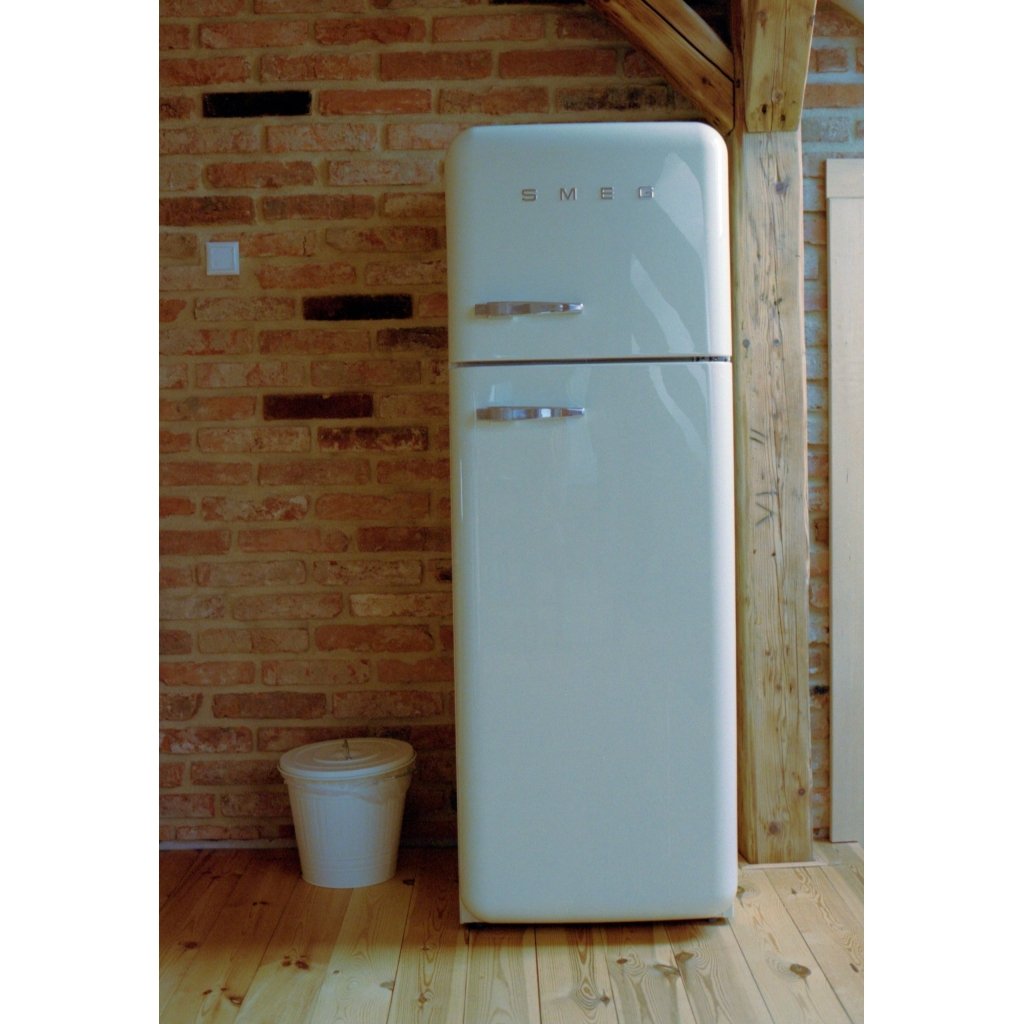
Choosing A Simple Decision Framework:
- Make sure you know the actual temperature change if you can keep track of it for a whole year, instead of making assumptions.
- Choose what you’re keeping. Fresh food, frozen food, or both can change whether you require a refrigerator or freezer. You can also use a combination unit.
- Match capacity with actual demand and not aspiration. A large unit can waste energy under extreme conditions.
- Verify the temperature of the surrounding area directly, particularly at the lower part, if you have tough winters.
- Find your doorway’s measurements and clearance well before purchasing — garage-ready units are typically standard dimensions for appliances and won’t pass through narrow entryways.
Sizing Guide:
| Household Need | Suggested Capacity |
| Drinks overflow, one person | 4.5-7 cu. ft. |
| Small family, occasionally backup storage | 10-14 cu. ft. |
| Big family, storage in bulk hunting | 18-22 cu. ft. |
| Freezer-only, bulk meat storage | 15-21 cu. feet. (chest or standing) |
What Garage Ready Fridges Cost?
Pricing is heavily influenced by the brand, capacity, and the location you’re purchasing in; however, general pricing ranges appear as follows (figures in USD. Expect a range of variations in each country due to import duties, local taxes, and foreign exchange):
| Type | Typical Price Range |
| Compact garage-ready fridge | $200-$450 |
| Top freezer garage ready fridge for use | $500-$900 |
| Side-by-side garage ready fridge | $900-$1,800 |
| Garage ready freezer (upright/chest) | $400-$1,200 |
Expect a small price increase, generally 10 to 25%, in comparison to a similar regular model. This is due to the additional technology behind the thermostat, not just marketing.
If you’re in search of “garage ready fridge near me,” local retailers of big-box or independent appliances typically cost a bit more than the online counterparts, but they may offer free delivery and removal of the old model. It’s worthwhile to look at both options before making a decision, and verify the seller has been approved as an official dealer of the manufacturer — this is crucial if you ever have to file a warranty claim.
Installation: What Actually Matters:
- Make sure you have a separate grounded outlet. Garages typically have circuits shared with door openers and power tools. These can trigger breakers.
- Set the fridge’s level using an air level to ensure the door is sealed properly.
- In extremely cold conditions, think about the possibility of a mat or platform under the unit in order to limit vibration and condensation against the concrete.
- Make sure it is not exposed to direct sunlight through garage windows. These could disrupt the sensor that detects ambient light.

Regional and Climate Considerations:
Because the requirements vary depending on the climate, it is helpful to think of climate zones rather than one “best” model:
- Cold climates: It is important to prioritize the lowest end of ambient temperatures in particular. Certain Garage Ready badges are valid up to temperatures of around freezing. This is not true for sub-zero weather conditions. Don’t think that the label covers winter’s harsh conditions.
- Climates with high temperatures: The most important thing is to ensure the longevity of compressors and their energy consumption, as the compressor is more efficient in continuous heat.
- Humid or coastal areas: Watch for condensation accumulation and gasket wear as time passes; a dehumidifier within the space could assist in protecting the seal.
The terms and availability also change according to regions as well as the terminology used. “Garage ready” is a popular term used within North America; in Europe and some parts of Asia-Pacific, this capability is often advertised in the form of “wide climate” or isn’t explicitly identified – so checking the ambient temperature specification directly is even more crucial in regions outside North America. The voltage varies too, and 120V is the standard voltage across North America, while most of Europe, Africa, and the majority of Asia-Pacific use 220-240V, which affects the models that can be used with local outlets.
Certification standards vary based on market. For instance, ENERGY START is available in the US and Canada as well as it is the EU Energy Label system covers the majority of Europe. It is not a direct confirmation of garage fit-for-purpose, but they are both useful indicators of the overall quality of construction and performance.
Common Mistakes to Avoid:
- A standard Garage ready fridge is best for use in garages for savings, and then having to deal with a compressor failure within one year or so.
- Believing in the “Garage ready fridge” label without making sure you know the correct temperature range.
- The blocking of airflow is accomplished by pushing the device to flush against the wall.
- The absence of warranty registration is a common mistake, as certain manufacturers require it for garage-use protection.
- Assuming that garage-ready means weatherproof, but it only addresses temperature, not direct weather exposure.
For Maintenance:
- Clean condenser coils each 6-12 month. Garages are generally more smoky than kitchens. This may cause the condenser coils get blocked more quickly.
- Check the gaskets that seal the door frequently to determine whether they’re contaminated by dirt or wear that could result in damage to the seal.
- Manually defrost models to remove ice before buildup reaches about 14 inches.
- Use a thermometer on a different appliance during severe weather conditions to verify the internal temperature is at or below 40°F (4degC)
Alternatives Worth Considering:
Suppose an appliance you have chosen isn’t for you. There are a variety of alternatives:
- Conditioning or insulating your garage itself is an investment that is more upfront, but it solves the issue for all appliances within the space, not only one.
- The chest freezer is only if you don’t really need fresh food storage.
- A unit that is outdoor-rated will be exposed to the elements rather than temperature fluctuations.
A smart plug that is paired with a temperature sensor on a regular fridge is often suggested on the internet to solve the problem; however, it’s not a solution to the root temperature issue and isn’t a long-term reliable replacement.
FAQ
1. What happens if I put the normal fridge in my garage that’s not heated?
It’s not advisable in the long term. The standard refrigerators are based solely on one thermostat, which may misread cold ambient air to be “cold enough,” causing the compressor to cease operating properly and the freezer to fail.
2. How do you know if it is cold for a garage fridge?
For the majority of refrigerators, standard temperatures below 50-60 degrees could cause short-cycling. Garage-ready refrigerators are constructed to operate at lower temperatures; however, the capacity of the low end will vary based on the specific model.
3. Are garage-ready refrigerators priced more than regular refrigerators?
The typical price is 10 percent to 25% more costly as compared to a standard model due to the dual thermostat as well as a variable-speed compressor.
4. What can I do to determine whether my fridge is garage-rated?
Check the manufacturer’s specification sheet to find out the operating ambient temperature. It is important to note that the “garage ready” label alone isn’t uniform, and the label is more important than the label.
5. What happens if you place a regular refrigerator in your garage during the cold winter months?
The compressor might be unable to operate for a brief period of time, or stop completely due to misreading the temperature within the room. This can often result in the freezer not operating, even if it is “on.”
6. What is it that makes an efficient chest freezer more efficient than a garage refrigerator?
It depends on the need. If you’re only looking for frozen storage — such as bulk meat or game items, or seasonal surplus- the chest freezer is usually more efficient in terms of energy and space than a fridge-freezer combination.
7. Are garage-ready similar to being outdoor?
No. Garage ready refers to temperatures only. Outdoor-rated models provide UV and weatherproofing when exposed to direct humidity, rain, and sun. An appliance that’s garage-ready isn’t designed to be.
8. Will buying a fridge that is garage-ready affect my warranty?
It typically protects it. A lot of manufacturers exclude garage use from normal refrigerator warranties. However, they specifically protect models with a garage-ready label. Check the details of the warranty before you sign your appliance.
9. Are refrigerators with garage-ready capabilities being sold outside North America?
The category is the most well-known in North America. Other countries have similar options, and they are typically advertised under terms such as “wide climate,” so looking up the ambient temperature specification directly is the best option when shopping internationally.
Conclusion
Garage ready fridge exist to fill a real problem in engineering: normal refrigerators rely on a stable temperature in the room, but garages aren’t often equipped with one. If your room is regularly oscillating between 50-90 degrees, the expense of a certified model is an excellent option to offset the cost of a malfunctioning compressor, or food that is rotten.
Before purchasing, ensure that you know the actual ambient temperature, instead of simply relying on the manufacturer’s label. Additionally, you must measure the refrigerator to fit your storage needs, and stick to the most basic guidelines to protect both the quality and the warranty coverage. Make sure you have the correct information for your garage, and your fridge will last many years regardless of the conditions.
These information about Garage ready fridge are gathered from different surveys, medical tests and tech giants like Reviewed and more. Our top priority is to provide you valuable information about Garage ready fridge .
For More Details About Different Electric stove Click Here.