How to Choose Safely?
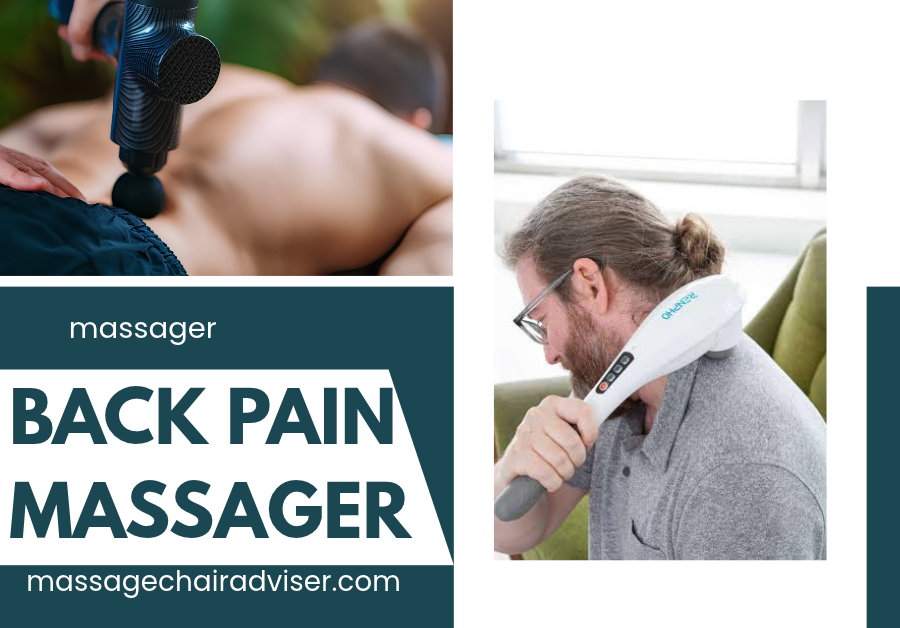
A back pain massager is a device that uses kneading, percussion, heat, vibration or electrical pulses to relax tight back muscles. For most people with everyday muscle tension, the right one can ease stiffness and make movement more comfortable. It will not fix a damaged disc or a nerve problem.
The tricky part is choosing. Shiatsu cushions, massage guns, TENS units and massage chairs all promise relief, but each suits a different kind of pain and a different person.
This guide starts with your pain, not the product list. Match the problem first, then the tool, then the budget.
Start Here: Is a Back Pain Massager Right for Your Back Pain?
Most back pain massager is non-specific, meaning it comes from strained muscles, stiff joints or long hours in one position rather than a serious disease. Health bodies such as the WHO, the NHS and the American College of Physicians all point to staying active and using simple self-care as first steps for this kind of pain.
A back pain massager fits that picture. It is a comfort and recovery tool, not a treatment for the cause.
A back pain massager is a reasonable choice if you have:
- Stiffness after long hours at a desk or behind the wheel.
- Post-workout soreness (delayed onset muscle soreness, or DOMS).
- Tight, achy muscles beside the spine without leg symptoms.
- Knots (myofascial trigger points) in the upper or mid back.
See a doctor or physiotherapist first if you have:
- Numbness, tingling or weakness in the legs.
- Loss of bladder or bowel control (treat this as an emergency).
- Fever together with back pain.
- Pain after a fall, accident or blow.
- Pain that wakes you at night or keeps getting worse.
- Unexplained weight loss alongside back pain.
No back pain massager can screen for these. If any apply, get assessed before buying anything.
Match Your Pain to the tool:
Where it hurts matters as much as how much. Muscles in different regions respond to different devices.
| Where it hurts | What it usually is | Best-fit type |
| Lower back, dull and broad | Tight erector spinae and lumbar muscles from sitting | Shiatsu cushion with heat |
| Between the shoulder blades | Tension in the rhomboids and trapezius, often posture-related | Percussion gun with a long handle, or a shiatsu cushion positioned high |
| One sore spot or knot | A trigger point | Percussion gun |
| Achy all over after a long day | General tension | Massage chair or pad |
| Mild pain you want to dampen during the day | Pain you can manage but not ignore | TENS unit, if your doctor agrees |
Use this as a starting point, not a diagnosis.
The 4 Main Types of Back Pain Massagers:
1. Shiatsu Massage Cushion (Pillow or Seat Pad):

This is a cushion with rotating nodes that knead the muscles, often with a heating function. It strapped to a chair or rested against your back, it mimics the thumb pressure of a shiatsu therapist.
Best for: lower back tightness, desk workers, hands-free use while resting.
Pros:
- Hands-free, so you can sit back or read.
- Heat adds comfort and helps muscles relax.
- Easy to use for most ages.
Cons:
- Fixed positions; hard to target one precise knot.
- Many models are corded.
- Usually spot-clean only.
Look for: adjustable zones (upper, lower, full back), heat on/off, an auto shut-off timer, and a strap that holds it in place.
2. Percussion Massager (Massage Gun):

A handheld device that delivers rapid, short strokes into muscle tissue. This is percussive therapy, and it is popular with athletes for recovery.
Best for: specific knots, post-workout soreness, thick muscle groups.
Pros:
- Deep, targeted pressure.
- Cordless, portable, with interchangeable heads.
- Quick sessions.
Cons:
- Hard to reach your own mid-back without a long handle.
- Can feel too intense on a sensitive lower back.
- Louder than most cushions.
Look for: adjustable speeds, a quiet motor, battery life that fits your routine, a soft head option, and a handle that lets you reach between the shoulder blades.
3. TENS Unit:

TENS stands for transcutaneous electrical nerve stimulation. Pads stuck to the skin send mild pulses that may reduce how strongly you feel pain. It is often grouped with massagers in searches, but it works by nerve stimulation, not by kneading muscle.
Best for: short-term relief of localized aching, used as directed.
Pros:
- Small, quiet and portable.
- Adjustable intensity.
- Can be used while you move around.
Cons:
- Not suitable with pacemakers or other implanted electrical devices.
- Needs correct pad placement.
- Does not relax muscle the way massage does.
Look for: regulatory clearance relevant to your country (for example FDA clearance in the US), clear electrode placement instructions, and multiple modes. Ask your doctor before starting, especially if you are pregnant, have a heart condition or have reduced skin sensation.
4. Massage Chair or Full Massage Pad:

A back pain massager or a full-length pad runs rollers along the spine. Many follow an S-track or L-track shape, which follows the natural curve of the back, and some include heat and air compression.
Best for: daily whole-back sessions, people with space and budget, chronic tension.
Pros:
- Covers the entire back, hands-free.
- Programmed routines, often with heat.
- Comfortable for long sessions.
Cons:
- Highest cost.
- Bulky and heavy.
- Roller strength may not suit very small or very tall users.
Look for: track type, roller depth, adjustable intensity, a clear warranty and local service support. Try one in a store if you can.
Quick Comparison:
| Feature | Shiatsu Cushion | Massage Gun | TENS Unit | Massage Chair/Pad |
| Method | Kneading + heat | Percussion | Electrical pulses | Rollers + heat/air |
| Best target | Lower back, broad areas | Knots, specific spots | Localized aching | Whole back |
| Hands-free | Yes | No | Yes | Yes |
| Reach on your own back | Excellent | Poor without handle | Good | Excellent |
| Portability | Medium | High | High | Low |
| Cost tier | Low to mid | Low to high | Low to mid | High |
| Main caution | Do not fall asleep on heat | Avoid the spine itself | Not with implants | Fit and bulk |
Shiatsu cushion vs. massage gun: choose the cushion for broad lower-back stiffness and relaxation, and the gun for specific knots and recovery.
Massage chair vs. cushion: a chair covers everything but costs more and takes space. A cushion gives most of the lower-back benefit at a fraction of the price.
TENS vs. BACK PAIN MASSAGER: TENS dulls the pain signal. A back pain massager relaxes muscle. Some people use both, with medical guidance.
How to Choose: A Simple Decision Framework
Work through these five questions in order.
- Where is the pain? Use the table above to narrow the type.
- How will you use it? Hands-free at a desk points to a cushion. Quick targeted sessions point to a gun.
- What is your budget? Prices vary a lot by brand and region, so check current listings in your country (Source: Retailer listings, 2026). As a rule: manual tools and basic pads are budget, quality cushions and guns are mid-range, and chairs are premium.
- What features matter? Use the checklist below.
- Is it safe for you? Cross-check the safety section before you buy.
Feature Checklist:
- Adjustable intensity levels.
- Heat with temperature control (and an auto shut-off timer).
- Cordless or corded, depending on where you will use it.
- Battery life and charging method.
- Noise level, especially for office or shared spaces.
- Weight and handle design for self-reach.
- Washable or removable cover.
- Remote or app control, if you want convenience.
- Warranty length and return policy.
- Seat or car adapter, if you plan to use it while driving or commuting.
Safety Marks and Compliance:
Look for recognized safety marks. UL certification (for example UL 1647, which applies to back pain massager and exercise machines) is common in North America, CE marking applies in Europe, and UKCA marking applies in the UK. TENS units are regulated as medical devices in many countries, and FDA clearance is the benchmark in the US.
Be cautious with listings that use phrases like “doctor recommended” or “prescription strength” without naming a source. Those are marketing claims, not proof.
Who Should Be Careful or Avoid Back Pain Massager:
Check with a doctor before using a back back pain massager if you have:
- Blood clots, deep vein thrombosis or take blood thinners.
- A pacemaker or other implanted device (especially with TENS).
- Osteoporosis or a recent spinal fracture.
- Pregnancy.
- Diabetes with reduced sensation (heat injury risk).
- Skin infections, open wounds or severe bruising in the area.
- Cancer affecting the spine.
- A diagnosed herniated disc or sciatica (gentle use may be fine, but get advice first).
Older adults can benefit from gentle, heated models with timers, but should get approval if any of the above apply.
How to Use a Back Pain Massager Safely?
- Check for red-flag symptoms. If any apply, see a clinician first.
- Start on the lowest setting. Increase gradually.
- Keep it on muscle. Avoid pressing directly on the spine bones, ribs or kidney area.
- Limit the session. Around 10 to 20 minutes is a common guideline, but follow your device manual.
- Keep moving. With a gun, glide slowly rather than staying on one spot.
- Stop if something feels wrong. Sharp pain, tingling or red, hot skin means stop.
- Finish with a gentle stretch and some water.
Example: a desk worker with an evening ache places a heated shiatsu cushion against the lower back for 15 minutes, then does a few cat-cow and hip-flexor stretches. The massage eases the tension and the stretching keeps the benefit.
Can you use one every day? Many people do in short sessions, as long as there is no soreness building up or skin irritation.
Common Mistakes to Avoid:
- Using too much pressure. More is not better and can cause bruising.
- Falling asleep on a heating device.
- Using a gun directly over the spine.
- Ignoring numbness or pain traveling down the leg.
- Buying on price or star rating alone. Reviews can be inflated, so look for specifics about back use, noise and durability.
- Treating a massager as a replacement for a diagnosis.
When a back pain massager Will Not Help?
It is worth being honest here. A back pain massager is unlikely to help if your pain comes from nerve compression, an injury or an underlying condition. It will not correct posture, strengthen weak core muscles or fix a desk setup that keeps straining you.
If back pain massager persists beyond a few weeks, gets worse, or spreads, stop experimenting with devices and see a physiotherapist or doctor.
Caring for Your Back Pain Massager:
A little care keeps it working and safe.
- Spot-clean covers according to the manual, and let them dry fully before use.
- Do not let moisture reach the electronics.
- Store cordless units charged to the level the manufacturer suggests.
- Do not use a damaged cord or cracked casing.
- Keep it away from heat and humidity.
Motors in cheap devices tend to weaken first, which is why warranty terms matter.
Buying Around the World: Voltage, Marketplaces and Warranty
If you are buying across borders, a few practical points save headaches.
- Voltage and plugs: North America uses roughly 110V, while much of Europe, South Asia, the Middle East and Australia use about 220 to 240V. Check the label and plug type, or use a rated converter.
- Marketplaces: major regional stores such as Amazon (US, UK, Canada, Australia, UAE), Daraz in South Asia, Noon in the Gulf, and Flipkart in India all carry back massagers. Prefer authorized sellers and check return policies.
- Imported products: confirm that warranty claims will be honored in your country and that spare parts or service exist locally.
- Climate: high humidity and heat can shorten the life of cheaper electronics.
- Price differences: the same model can cost noticeably more or less depending on import duty and local demand, so compare current listings for your country.
Prefer to Try Before You Buy?
If you are unsure which type suits you, try a few in a store or visit a physiotherapy clinic or sports recovery center that has demo equipment. A licensed massage therapist can also show you what kind of pressure feels right, which helps you pick intensity settings later.
Buying for a Clinic, Gym or Workplace:
If you are buying for a physiotherapy practice, gym or corporate wellness program, durability and compliance matter more than features.
- Choose models with replaceable parts and clear service support.
- Ask for documentation of safety marks and warranty terms for bulk orders.
- Prefer easy-to-clean surfaces for shared use.
- Confirm that TENS devices meet medical-device rules in your market.
- Consider a mix: a few chairs or cushions for relaxation areas and percussion guns for recovery zones.
Alternatives and Complements:
A massager works best alongside other habits.
- Physiotherapy: a personalized exercise plan and manual therapy.
- Professional massage: from a licensed massage therapist.
- Heat therapy: hot water bottles or heat patches.
- Stretching and strengthening: core, hip and back work.
- Foam rolling: a low-cost option for upper-back tension.
- Ergonomics: lumbar support, monitor height and regular standing breaks.
- Over-the-counter pain relief: follow the label and ask a pharmacist or doctor.
A good back pain massager plus a few minutes of daily movement usually beats either one alone.
Gift or Personal Use?
For a gift, choose simple and low-risk: a heated shiatsu cushion with an auto shut-off. It is easy to use, hard to misuse and suits most adults. For personal use with a specific pain pattern, use the matching table earlier and prioritize fit over features.
Frequently Asked Questions
1. Does a back back pain massager help with back pain?
It can ease muscle tension and make movement more comfortable, especially for non-specific pain from sitting or exercise. Relief is often short-term, and it works best alongside movement, stretching and good posture.
2. Which type is best for lower back pain?
A heated shiatsu cushion is a popular choice for broad lower-back tightness because it is hands-free and gentle. A massage gun suits specific knots, and a chair suits whole-back sessions.
3. Is it safe to use a massage gun on your lower back?
Generally yes at low speed on muscle, avoiding the spine, kidneys and sore or bruised areas. Skip it, or ask a clinician first, if you have a medical condition or nerve symptoms.
4. Can a back pain massager make back pain worse?
Yes, if the pressure is too strong, the session is too long, or the area is injured. Stop if pain increases or you feel numbness or tingling.
5. How long should you use a back pain massager?
Many devices suggest around 10 to 20 minutes per session. Follow your manual and reduce use if you feel sore afterward.
6. Is heat or percussion better for back pain massager?
Heat relaxes and soothes broad stiffness, while percussion gives deeper, targeted pressure. Many people prefer heat for evening relaxation and percussion for recovery after exercise.
7. Can you use a back pain massager for sciatica or a herniated disc?
Gentle back pain massager may feel comfortable, but both involve nerve irritation and need a proper diagnosis. Avoid aggressive pressure near the affected area and get medical advice first.
8. Are back back pain massager safe in pregnancy, for scoliosis, or for older adults?
Check with a doctor in each case. Pregnancy and osteoporosis call for particular caution, scoliosis depends on the severity, and older adults often do well with gentle, timed, heated models.
9. Are shiatsu back back pain massager worth it?
For most desk workers with general tightness, yes. A mid-range cushion with heat and a timer offers comfort at a modest cost. They are less useful for pinpoint knots.
10. Do back pain massagers help posture?
Not directly. They can relax tight muscles that contribute to stiffness, but posture improves through strengthening, stretching and setting up your workspace well.
Conclusion
The best back pain massager is the one that matches your pain, your routine and your health situation. A heated shiatsu cushion suits broad lower-back tension, a massage gun suits knots and recovery, a TENS unit suits short-term pain dampening under guidance, and a massage chair suits daily whole-back sessions.
Screen yourself for red flags first, check safety marks and warranty, and start on low settings. Pair the device with stretching and movement, and see a professional if pain persists or spreads. If a massager is not the answer, it is better to know that early than to keep buying devices.
This article is for general information and is not medical advice. Consult a qualified healthcare professional about persistent or severe back pain.
These information about best back pain massager are gathered from different surveys, medical tests and tech giants like Reviewed and more. Our top priority is to provide you valuable information about best back pain massager.
For More Details About Different massage chair Click Here.