
Gas Cooktops Explained: Types, Costs, Installation & Buying Guide.
Gas cooktops are one of those kitchen appliances that most people love or ignore completely, typically since they’ve never heard someone explain why it is distinct from an induction or electric setup. If you’re remodeling your kitchen, replacing an old appliance, or trying to figure out the best type of fuel for you to prepare food, this manual takes you through the essentials without the selling pitch.
In a nutshell, Gas cooktops are constructed cooking surfaces that use propane or natural gas (called LPG, or “gas hob” in the UK, Australia, and the majority of Europe) to cook your food directly over an open flame. It is installed separately from the oven and controlled via knobs, and is admired mostly for one reason: instant, visible heating control.
That’s the only reason professional cooks have relied on gas cooktops for a long time, and that’s why the majority of home cooks opt for it now.
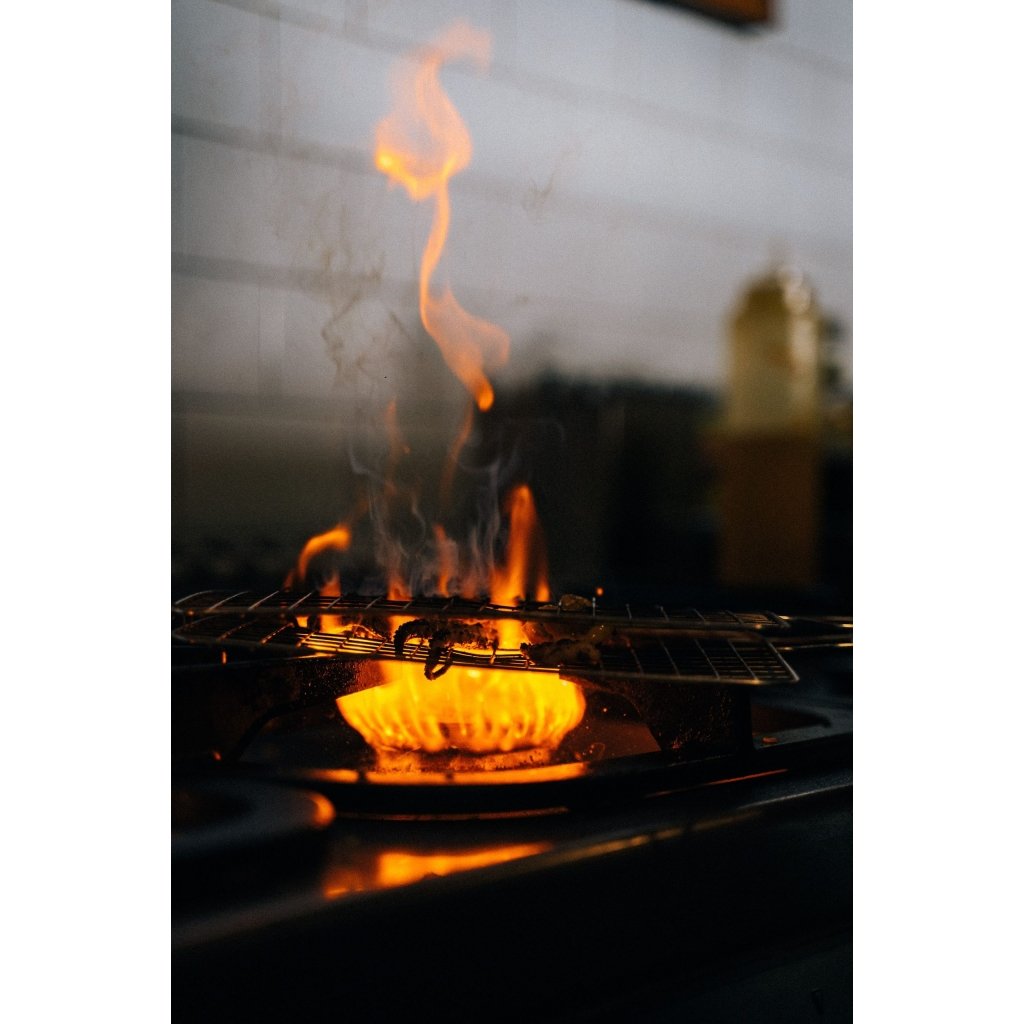
How a Gas Cooktop Actually Works?
The mechanisms are straightforward, and that’s an important aspect of its appeal. The knob is opened by turning it. A valve lets gas flow to the burner. The electric igniter produces sparks, and the gas lights, and the size of the flame adjusts according to the time you move the dial.
There’s no lag in warming up, and there’s no cooling-down lag; it’s just similar to the flame that you see. It’s a big contrast to electric coils or ceramic tops, in which it takes a while for the element to warm up and then stays hot long after you’ve turned it down.
Modern cooktops usually have a thermocouple, which is a tiny safety device that stops gas flow when the flame is out. The thermocouple stops gas that has not been burned from flowing into the space — a vital safety measure, particularly for homes with pets or children who could hit the knob.
Types of Gas Cooktops:
There are many different gas cooktops that are made the same, and the differences can affect the cooking and cleaning performance as well.
- Cooktops with sealed burners: The burners are bonded to the top of the cooktop, meaning spills won’t get a chance to run beneath—the easiest to clean and also the most popular type available these days.
- Open (professional-style) burner gas cooktops: Burners are placed on top of a grate with a removable cover, like kitchen equipment. They generally have more heat, which is important for cooking woks or speedy searing.
- Gas cooktops with downdraft built-in ventilation draw steam and smoke downwards instead of upwards, which is helpful when the cooktop is set on an island in the kitchen without an overhanging range or hood.
- Cooktops made of gas: The gas cooktops burners are placed on glass ceramic surfaces that give a sleeker appearance and a simpler clean-up process as opposed to traditional metallic surfaces.
- Portable propane burners — freestanding units that are powered by small propane canisters typically used in rental homes and outdoor kitchens. They are also able to cook meals in situations of power failures.
Gas Cooktop vs. Electric vs. Induction
- This is often the main choice. It’s important to be transparent about the compromises, instead of claiming one option is universally “best.”
| Factor | Gas Cooktops | Electric (Coil/Radiant) | Induction |
| Response to heat | Instant | Slow | Instant |
| Control of temperature | Visible, precise | Not as specific | Very precise |
| Energy efficiency is a typical measure of energy efficiency | Around 40% | Around 65% | Around 85-90% |
| Cookware required | Any | Any | Only magnetic cookware |
| The cost of up-front | Moderate | Low-moderate | High |
| Protection (open flame) | Yes, there is flame | No | No, surface stays cool |
| It works without electricity | Yes, cooktop (ignition requires power) However, the flame itself isn’t | No | No |
If you cook using woks, do a lot of high-heat cooking, or like to see the flame that you’re working on, gas is the most natural choice. If efficiency and safety around children are important to you, then induction is usually the winner in that competition. Electric radiant is often the most affordable option in the event that gas lines or induction circuits with 240V voltage aren’t readily available.
A common misunderstanding that needs dispelling: a gas cooktop requires a tiny amount of electrical power to spark ignite. It’s not able to run fully without electricity, but some models can be lit manually using a match during a short interruption in power — an aspect worth examining before assuming that’s the plan for your backup in case of an outage.
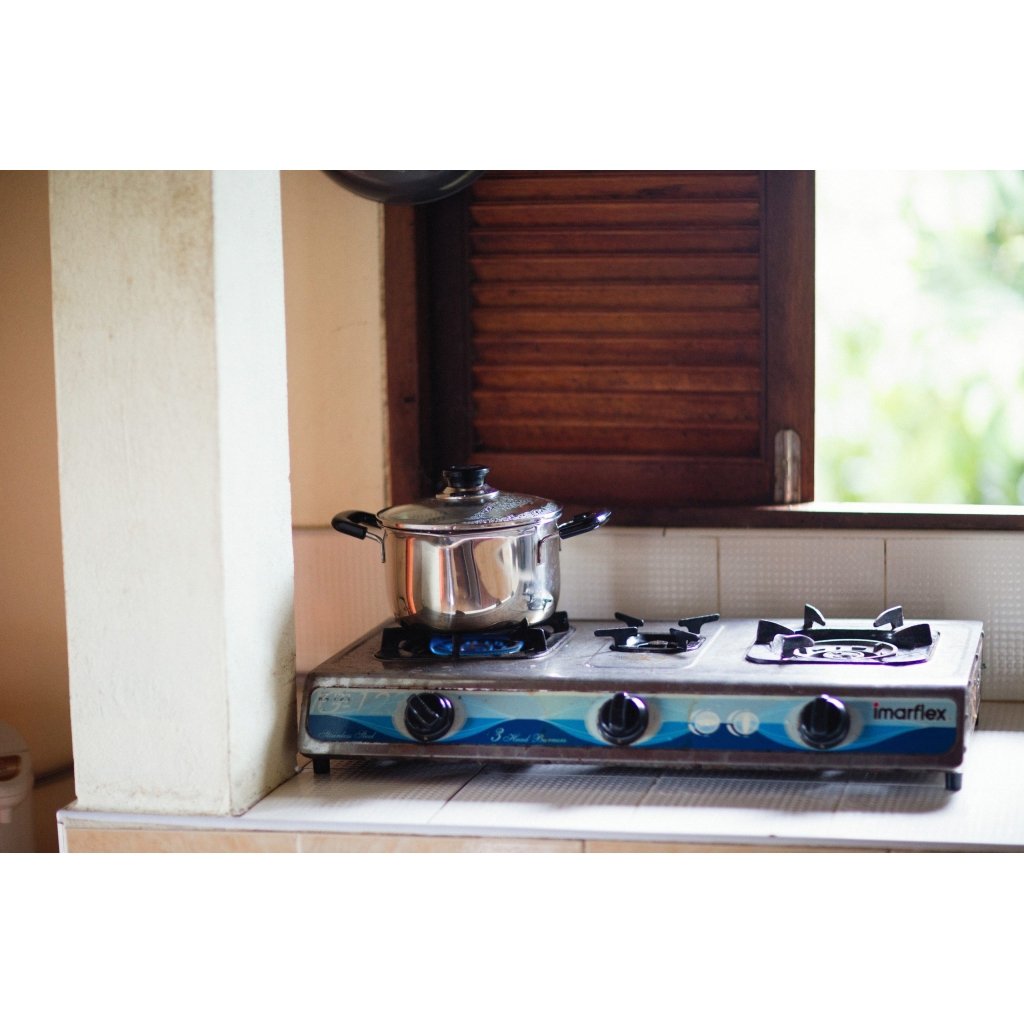
Choosing the Right Size and Burner Setup:
The sizing error is among the most frequently made (and costly) mistakes when shopping for cooktops. The standard sizes range from thirty”, 36”, and 48”. The size of your current countertop cutout will usually determine which size you can put in without additional work.
The burner’s capacity is also an issue. A 4-burner design is suitable for the majority of households, whereas configurations with five or six burners typically include one burner with high output (12,000-20,000 BTU) and one simmer burner (5,000-6,000 BTU) and will suit those who cook often or cook in larger quantities.
A quick approach to think about it is:
- Small home, occasional food preparation: 4 burners, 30” closed
- Family kitchen, regular cooking: 5 burners, 30 “-36”, mixed BTU range
- Home cooks or entertainers who are serious: six burners, 36- 48, and open flames. and possibly a downdraft
What Gas Cooktops Cost:
Pricing is highly variable based on currency and market, but the following tiers provide an accurate beginning point to budget (figures are general ranges for industry that are not guaranteed quotations):
| Tier | Unit Price Range (USD equivalent) | What You Get |
| Entry-level | $400-$800 | four burners. sealed basic controls |
| Mid-range | $800-$1,800 | 5 burners, more BTU spread Continuous grates |
| Premium/professional | $1,800-$4,500+ | 6 burners, open burners, downdraft options |
In the UK and Australia, the comparable “gas cooktops” pricing follows the same pattern of tiered pricing with respect to local currencies; however, the exact numbers vary by region and retailer. Be sure to check local prices instead of making a decision based on a global number.
The installation adds cost. An easy swap in the event that the gas line is in place usually costs between $150 and $350 in labor. Making a complete brand new line of gas cooktops, or switching to propane using a regulator, could cause costs to rise to $500-$1,500, or more, based on the difficulty of the task and the local permit requirements.
Installing a Gas Cooktops: What’s Actually Involved?
Installation isn’t a simple DIY task, and for valid reasons — gas line work is a serious safety risk if done incorrectly.
- An assessment technician examines your gas line’s capacity, the countertop cutout’s size, and your ventilation system.
- Gas connection – A gas-certified plumber licensed by a state or a licensed technician extends or connects the line.
- Placement: The gas cooktops is set in the cutout and then secured.
- Test for leaks: The connection is tested under pressure to verify that there’s no gas leak.
- Electric hookup: The spark ignition is connected to a nearby outlet.
- Function test: Every burner is turned on, and the fire is examined. A clean blue flame indicates it’s properly calibrated.
- Authorization to Sign Off Many municipalities require inspection approvals to the construction of gas lines.
If you notice that the flame appears yellow or orange instead of blue, don’t ignore it. It typically signifies incomplete combustion. This could result in carbon monoxide. It’s best to have it examined by a specialist immediately instead of putting it off.
A clear caution here: never attempt to connect or alter the gas cooktops line by yourself. Beyond the code and legal issues, a leaky connection poses a real risk to safety. This is a situation that a professional with a license isn’t a matter of choice — it’s a mandatory obligation.
Are Gas Cooktops Being Phased Out?
The question is asked often, and it’s best to have a clear answer instead of a vague one. Recently, a number of cities and a few jurisdictions, mostly in the US and a handful of European markets, have proposed or debated restrictions on gas appliances for new construction, mostly tied to the quality of indoor air and emission concerns.
These measures usually apply to new homes in specific cities and not homes that are already in use; however, they are not a worldwide or national ban. If you already have gas cooktops, or are planning to renovate your current kitchen, in the vast majority of areas you won’t be in any way affected by these policies. This is an interesting trend to keep an eye on in the long run; however, it’s not a reason to make a decision now.
Choosing a brand;
The brand selection usually comes closer to the budget tier than any other aspect:
- Entry to mid-priced: GE, Whirlpool, Samsung, LG — established, regularly serviced, and easy to source components for.
- High-end to mid-range: Bosch, KitchenAid is famous for its consistent burner spacing as well as its powerful simmer control.
- Premium/professional-style: Wolf, Thermador, Viking, and (especially in European and Australian markets) Smeg — higher BTU output and commercial-inspired design.
Specific models and their availability change frequently is a good reason to review current models directly with retailers prior to making the decision, rather than making a decision based on the previous calendar year’s “best of” list.
Maintenance That Actually Matters;
- Gas cooktops are low-maintenance. There are a few methods to extend their lifespan and ensure their safety:
- Clean the burner caps and grates immediately after use, to ensure that food particles don’t get in the ports.
- Be conscious of the hue of your flame. blue is an indication of the efficiency of combustion. Yellow or orange indicates it requires focus.
- Make sure to clean up spills promptly, especially on glass surfaces with gas, where it is possible for the residue to bake.
- Beware of abrasive cleaners for glass surfaces as they scratch easily.
- Make sure that gas connections are professionally checked every 1 to 2 years.
A properly maintained gas cooktop generally lasts for 15 to 20 years, but parts of the burner and igniters might require replacement prior to when the unit itself is replaced.
Finding an Installer:
If you’re looking for gas cooktops installation close to you, put the quality of their license over the price. In the US, this means the plumber is licensed or a gas-certified technician. In the UK, you should look for a Gas Safe certified engineer. It’s an official requirement and not just a suggestion. For Australia and Canada, the same gas-fitter licensed certifications are required.
Requesting three or four local estimates is common practice. A reputable contractor should not have any problem explaining the leak-testing procedure as part of their quotation.
FAQs
1. What makes a gas cooktops superior to one powered by electricity? It depends on what you want from your cooktop. Gas cooktops are faster and have more visible heat control, which is perfect for cooking at high temperatures like wok cooking or searing. Electric is generally less expensive initially and is easier to set up; however, it takes longer to react to changes.
2. What is the cost of gas cooktops and stoves?
Estimate $150-$350 if there’s already a gas line in place and $500 to $1500 if it must be laid in accordance with the location you’re in along with the type of project.
3. Gas stoves require electricity in order to perform?
Yes, for ignition. The flame itself is ignited by gas, but the spark that lights it normally requires a tiny electrical connection. A complete power loss will typically prevent it from starting to ignite automatically.
4. What is different between a gas stove as well as a range made of gas?
A cooktop is an independent cooking surface that is installed on the countertop. A range incorporates the oven and cooktop in one unit.
5. Is a gas cooktops similar to a gas hob?
Yes — “gas cooktop” is the popular US name, whereas “gas hob” is used in the UK, Australia, and most of Europe for the same kind of appliance.
6. Gas cooktops prohibited?
It’s only in certain cities, and it usually applies to new building projects, not to homes already operating. It’s not a universal or a national ban, but it’s a subject worth keeping in mind when making plans for the future.
7. Can a cooktop made of gas be converted into propane?
Yes, most models can be converted using a manufacturer-supplied conversion kit, usually installed by a technician rather than as a DIY job.
8. What BTUs should I search for on a gas cooktop?
Most cooktops offer an assortment of 5,000 to 6,000 BTU for simmer burners and 12,000 to 20,000 BTU for high-heat burners. The ideal balance is determined by the frequency you cook with high temperature versus low and slow simmering.
Conclusion
A gas cooktop is one of the most reliable options for those who want complete control over the cooking temperature. The decision typically is based on a few important questions: which size is best for your counter, as well as how many burners you really need, if you already have a gas supply in your house, and what you’re willing to spend on the cooktop and the professional installation.
There’s no one universally “correct” fuel type -gas, electric, and induction all have different needs. If instant temperature response and familiar hand-on controls are important to you, then a well-installed and maintained gas cooktop is likely to keep your kitchen running for a long time.
These information about gas cooktops are gathered from different surveys, medical tests and tech giants like Reviewed and more. Our top priority is to provide you valuable information about gas cooktops.
For More Details About Different electric stove Click Here.