How to Choose the Right One?
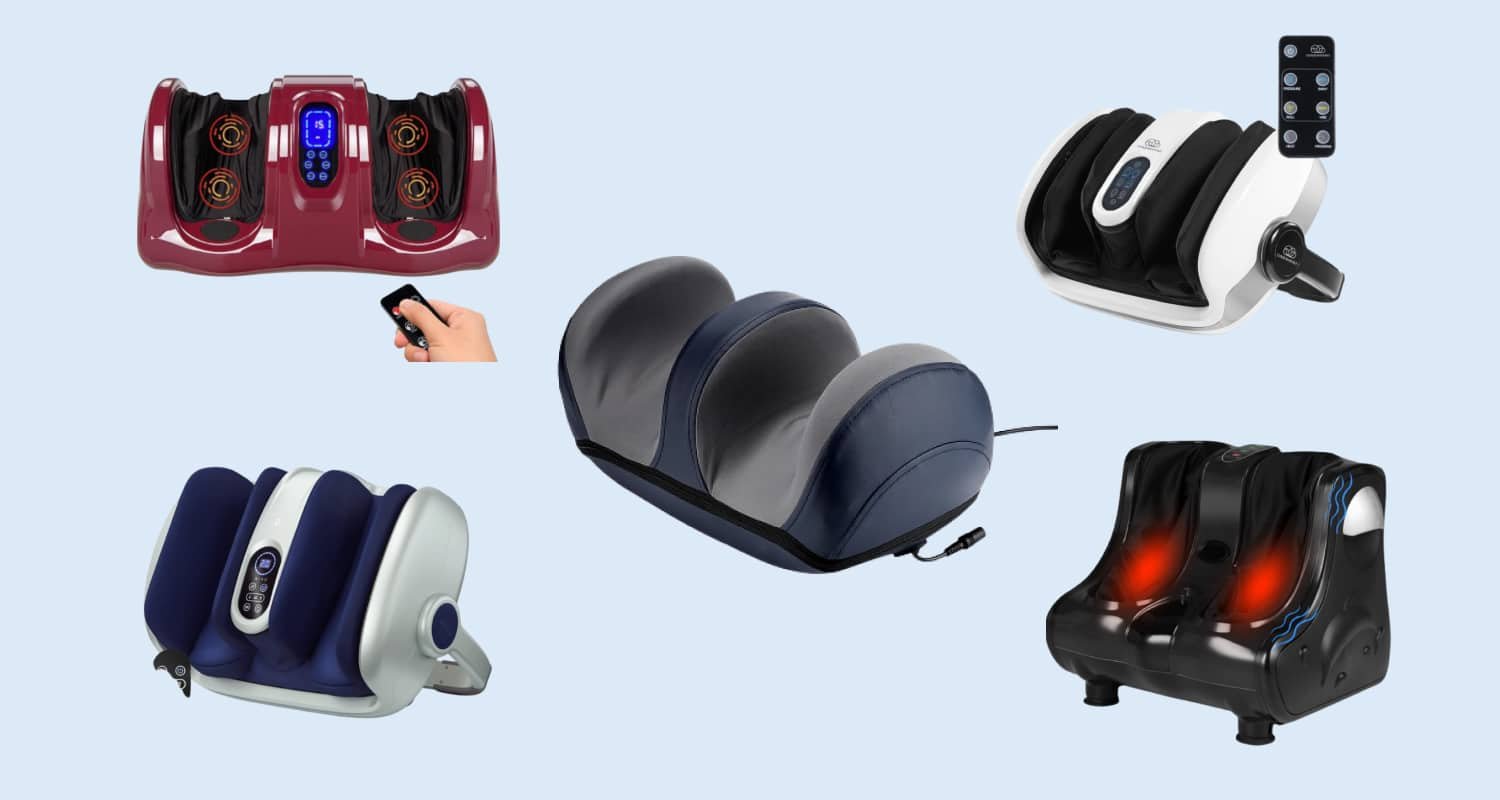
A foot and calf massager is an electric device that uses air compression, kneading nodes, rollers, vibration or heat to relax tired feet and lower legs. It can ease tightness and feel wonderful after a long day, but it is a comfort tool, not a treatment. People with clots, nerve damage or circulation disorders should speak to a doctor first.
That short answer is the starting point. The rest of this guide helps you decide which type fits your problem, what to check before paying, how to use one safely, and where the market gets confusing.
What Is a Foot and Calf Massager?
Think of it as a powered boot or platform for your lower legs. You slide your feet and calves in, pick a mode, and the machine does the work for 15 to 20 minutes.
You will see the same product sold as a leg and foot massager, foot and calf massager, compression boot massager or shiatsu leg massager. The names overlap, but the mechanisms differ, and that difference drives almost every buying decision.
The lower leg is a hard-working area. The calf muscles, mainly the gastrocnemius and the soleus, help push blood back up toward the heart each time you walk. That is why many people call the calf the body’s “second heart.” When you sit or stand still for hours, that pumping slows, and legs can feel heavy.
Why People Buy One?
Most buyers want one of five things:
- Relief from tired, heavy legs after long shifts or flights.
- Faster-feeling recovery after running, cycling or gym sessions.
- Comfort for sore arches and heels, including plantar fasciitis-type discomfort.
- Relaxation at the end of the day.
- A gift for a parent or older relative with stiff legs.
A foot and calf massager can help with the feeling of tension and heaviness. It cannot cure an underlying condition. Keep that distinction in mind, because it shapes what you should expect and what you should pay.
How Foot and Calf Massagers Work?
Most units combine two or three of these methods:
- Air compression. Airbags inflate and deflate in sequence, usually from the ankle toward the knee. This is the same principle as sequential or intermittent pneumatic compression used in clinical settings, though home units are far gentler and are not medical devices.
- Shiatsu kneading. Rotating nodes press into the sole and calf, imitating thumb pressure.
- Rolling. Rollers or textured wheels work the arch and heel.
- Vibration. Motors create oscillation that many people find relaxing.
- Heat. Infrared or heating pads add warmth, which can make muscle tension feel easier to release.
Some higher-end models also add a handheld remote, programmable modes or a cordless battery.
Types of Foot and Calf Massagers Compared:
| Type | Best For | Strengths | Limits |
|---|---|---|---|
| Air compression leg wraps or boots | Heavy legs, travel, post-workout | Covers foot, calf and sometimes thigh; adjustable; gentle | Little deep knot work; can be bulky |
| Shiatsu foot and calf massager | Sore arches, firm kneading feel | Strong, targeted pressure; often has heat | Heavier, louder, can be too intense |
| Combination units | Buyers who want both feelings | Compression plus kneading in one | Higher cost; more parts to clean |
| Foot-only roller or plantar massager | Heel and arch soreness | Compact and affordable | Does not reach calves |
| Percussion massage gun | Specific calf knots | Targeted and portable | Needs manual effort; easy to overuse |
| Foam roller or massage stick | Budget recovery | No electricity; durable | Takes effort and technique |
| EMS or TENS pads | Muscle stimulation | Slim and travel-friendly | Not a true massage; extra medical cautions |
Air Compression vs Shiatsu: Which Is Better?
Neither is better in general. They feel different and suit different problems.
Choose air compression if your main complaint is swollen-feeling, heavy or tired legs. The squeeze-and-release pattern covers a large area and is easy on most people.
Choose shiatsu if you want a firmer, kneading sensation in the arches and calves, especially with heat. Be aware that strong nodes can feel intense for beginners and for anyone with sensitive feet.
If you want both, a combination unit is worth considering, but check that neither function is an afterthought.
Do They Actually Work? An Honest Look:
Here is what you can reasonably expect.
Likely benefits:
- A feeling of relaxation and reduced tightness
- Temporary relief from heaviness after long periods on your feet
- A convenient, repeatable recovery habit
- Warmth and comfort when heat is included
Where claims get shaky:
- Circulation. Compression can create a sensation of improved flow, and the physiology of venous return is well understood. But consumer foot and calf massagers are not proven to treat circulation disease. Be cautious of listings that promise otherwise.
- Muscle recovery. Research on compression and massage for soreness after exercise is mixed, with modest effects in many studies. It may feel better even where measured performance changes are small.
- Plantar fasciitis. A foot and calf massager may soothe tight tissue. Stretching, supportive footwear and professional guidance usually matter more.
- Swelling. Mild, temporary swelling from standing or sitting may ease. Persistent or one-sided swelling needs a medical check, not a foot and calf massager.
Treat it as a comfort device that supports good habits, and you will rarely be disappointed.
Who Should Avoid Using One (Or Ask a Doctor First)?
This is the section many buying guides skip, and it matters most.
Safety first: Do not use compression, deep kneading or heat on your legs without medical advice if any of the following apply.
- Deep vein thrombosis (DVT) or a history of blood clots.
- Severe varicose veins, phlebitis or open wounds on the legs.
- Peripheral neuropathy, or diabetes with reduced foot sensation.
- Peripheral artery disease.
- Pregnancy.
- Recent surgery, fracture or skin infection.
- A pacemaker or implanted device, if the unit includes EMS or TENS.
Heat deserves its own warning. If you cannot feel temperature changes well in your feet, you may not notice a burn building. Choose a unit with automatic shut-off and temperature limits, and ask your doctor before using heat at all.
See a doctor promptly if one calf becomes suddenly swollen, red, warm or painful. That pattern can signal a clot and should not be massaged.
How to Choose: A Buying Framework:
Work through these steps in order.
Name Your Main Problem:
- Heavy, tired legs: air compression.
- Sore arches and heels: shiatsu or roller.
- Calf knots: shiatsu or percussion.
- General unwinding: heated shiatsu or combination unit.
- Mostly travel: cordless compression.
Check Fit:
Fit is the most overlooked detail and a common reason for returns.
- Look for the stated calf circumference range and the maximum shoe size.
- If you have large calves, check that the sleeve can zip or close without strain.
- If you have smaller calves, make sure the airbags can still make contact. Some compression cuffs are designed for smaller legs, while some units swallow slim legs entirely.
- Check whether the unit is a step-in design or a wrap. Step-in designs are quicker to use. Wraps are easier to fit around different leg sizes.
Compare the Features That Matter:
| Feature | What to Look For |
|---|---|
| Intensity levels | At least three, easy to adjust |
| Modes | Several programs so you are not stuck with one feel |
| Heat | Optional, with auto shut-off |
| Timer | Automatic stop after about 15 to 20 minutes |
| Noise | Check reviews; kneading motors can be loud |
| Power | Mains, rechargeable battery, or both |
| Weight and size | Heavy units are hard to store and move |
| Material | Washable liner, breathable fabric |
| Controls | A remote or clear buttons you can reach while seated |
| Warranty | At least one year with accessible support |
| Returns | A clear window, ideally with free return shipping |
Check Safety Marks and Seller:
Look for recognized compliance marks such as CE in Europe, UKCA in the UK, UL or ETL in North America, plus FCC and RoHS where relevant. These do not prove a foot and calf massager works, but they indicate basic electrical and materials checks.
Be wary of listings that claim to cure varicose veins, diabetes complications or nerve damage. Consumer foot and calf massagers are wellness devices, not medical treatments.
Match to Budget:
Prices vary by country, brand and season, so treat these as relative tiers rather than fixed figures.
| Tier | Typical Features | What to Expect |
|---|---|---|
| Budget | Basic roller or simple compression, few modes | Fine for occasional use; durability and noise vary |
| Mid-range | Compression or shiatsu with heat, several modes | The sweet spot for most buyers |
| Premium | Stronger kneading, remote, refined build, longer warranty | Worth it for daily use or demanding recovery routines |
Verify current prices on retailer listings before deciding, because discounts and import costs change often.
Quick Decision Path:
- Have a medical condition? Speak to a doctor first.
- Want gentle whole-leg relief? Air compression.
- Want firm kneading with warmth? Heated shiatsu.
- Only your heels hurt? A foot roller or plantar massager.
- Tight budget? A foam roller or basic foot and calf massager roller.
Heat or No Heat?
Heat can make a session feel more soothing, especially in cold weather or for stiff arches. It also adds cost and one more thing that can fail.
Skip heat, or ask your doctor first, if you have diabetes, neuropathy, reduced sensation or circulation problems. If you do use it, start on the lowest setting and check your skin afterward.
How to Use a Foot and Calf Massager?
- Read the manual and check the power cable and plug.
- Sit comfortably with your back supported.
- Remove tight socks or heavy clothing, unless the manual says otherwise.
- Slide your feet and calves in, or position your feet on the platform.
- Start on the lowest intensity.
- Choose a mode and set a timer for 15 to 20 minutes.
- Increase intensity slowly if it feels comfortable.
- Stop right away if you feel sharp pain, numbness, tingling or dizziness.
- Drink some water and rest for a few minutes afterward.
- Clean and store the unit as directed.
A sensible starting point is two or three sessions a week. Many people move to once a day if it feels good, but there is little reason to exceed what the manufacturer recommends.
Common Mistakes:
- Starting at full intensity on the first session.
- Using it for longer than recommended.
- Pushing through pain.
- Buying without checking calf and shoe size ranges.
- Using heat with reduced foot sensation.
- Ignoring a worn cable or damaged cover.
- Treating persistent swelling as normal.
- Expecting a medical result from a consumer device.
Care, Cleaning and Troubleshooting:
A little maintenance extends the life of the unit.
- Unplug before cleaning and wipe surfaces with a slightly damp cloth.
- Wash removable liners according to the label.
- Keep air hoses free from kinks and sharp bends.
- Store in a dry place away from direct sun.
- If airbags do not inflate fully, check hose connections first, then the fit.
- If the unit overheats or smells of burning, stop using it and contact the seller.
Alternatives and Complements:
If a foot and calf massager is not right for you, or you want to combine approaches, consider:
- Graduated compression socks for travel and long workdays.
- Foam rolling and calf stretches.
- Walking and calf raises to activate the muscle pump.
- Elevating your legs for 10 to 15 minutes.
- A warm foot soak, if your skin and sensation are normal.
- Supportive footwear or orthotic insoles for foot pain.
- Physiotherapy or a podiatrist for persistent problems.
These cost less and, for many causes of leg discomfort, work well alongside a foot and calf massager.
Buying by Region:
Standards, voltage and warranty rules differ, and these details cause problems when ordering across borders.
| Region | What to Check |
|---|---|
| United States | UL or ETL marks; FSA or HSA eligibility if relevant; return window |
| United Kingdom | UKCA or CE marking; VAT-inclusive pricing; UK warranty |
| European Union | CE marking; WEEE disposal rules; plug type |
| Canada and Australia | Local certification; shipping costs; warranty validity |
| India and Pakistan | Voltage compatibility; import duties; seller reputation; warranty that applies locally; counterfeit listings |
| Gulf countries | 220 to 240V power; marketplace warranty terms |
Before ordering, confirm the plug type and voltage match your country. A unit built for 110V can be damaged on a 220V supply without a proper converter.
Trying One in Person:
If you want to test one before buying, look at electronics retailers, pharmacy chains and medical-supply shops in your area. Some physiotherapy clinics also demonstrate home devices. Testing in person is the best way to judge intensity, noise and fit.
For Retailers, Clinics and Wellness Businesses:
If you are sourcing foot and calf massager and calf massagers for resale, a clinic or a spa, the checklist changes.
- Certifications: Ask for compliance documents for your target markets, such as CE, UKCA, UL or ETL, FCC and RoHS.
- Minimum order quantity (MOQ): Confirm MOQ, sample availability and lead times.
- OEM or private label: Check what can be customized, including branding, packaging, manuals and colors.
- Warranty and support: Agree who handles returns and replacement parts.
- Quality control: Request sample testing for heating safety, noise and durability before bulk orders.
- Positioning: Describe products as wellness and comfort devices, and avoid unsupported health claims in your marketing.
Businesses serving clients with health conditions should also train staff on the safety screening points listed above.
Consumer-Grade vs Medical-Grade:
Most foot and calf massager and calf massagers sold online are consumer wellness products. They are designed for comfort and relaxation.
Medical-grade compression devices are prescribed or supervised by clinicians for specific conditions and operate under different regulations. If your doctor has recommended compression therapy, follow their guidance rather than substituting a general-purpose foot and calf massager.
FAQs
1. Are foot and calf massagers worth it?
For comfort, relaxation and a convenient recovery habit, many people find them worth it. They are not a substitute for medical care, and quality varies between products.
2. Is it safe to use a foot and calf massager every day?
For most healthy adults, short daily sessions at low to moderate intensity are generally considered fine. Stop if you feel pain, and check with a doctor if you have any health conditions.
3. How long should I use a foot and calf massager?
Usually 15 to 20 minutes per session. Many units include an automatic timer for this reason.
4. Can a foot and calf massager help with swollen feet?
It may ease mild swelling that comes from standing or sitting for long periods. Persistent swelling, or swelling in only one leg, needs medical evaluation.
5. Can it help with plantar fasciitis?
A foot and calf massager may soothe sore, tight tissue, but it does not cure the condition. Stretching, proper footwear and professional advice are the main tools.
6. Who should not use a calf foot and calf massager?
People with DVT or a clot history, severe varicose veins, open wounds, peripheral artery disease, or reduced foot sensation should consult a doctor first. The same applies during pregnancy and for anyone with an implanted device if the unit includes EMS.
7. Can diabetics use foot and calf massagers?
Only with a doctor’s approval. Reduced sensation can hide pressure injuries or heat burns.
8. Is a foot and calf foot and calf massager FSA or HSA eligible?
Some products are marketed as eligible in the United States, but eligibility depends on your plan and documentation. Check with your plan administrator before purchase.
9. What is the difference between air compression and shiatsu?
Air compression squeezes the leg in waves and feels broad and gentle. Shiatsu uses kneading nodes for firmer, more targeted pressure.
10. How long does a foot and calf massager last?
Lifespan depends on build quality, frequency of use and care. Look for a clear warranty period, which is the best indicator of what the maker expects.
Conclusion:
The right foot and calf massager depends on your main problem, your health profile and how you will actually use it. Air compression suits tired, heavy legs. Heated shiatsu suits sore arches and a firmer feel. Simple rollers cover the budget end.
Before buying, clear any medical concerns with a doctor, check calf and shoe size ranges, confirm safety marks and voltage for your country, and read the warranty and return terms. Start gently, keep sessions short, and pair the foot and calf massager with movement and good footwear.
Do that, and you are far more likely to end up with a device you use for years rather than one that gathers dust.
This article is for general information and is not medical advice. Consult a qualified healthcare professional about any health condition.
These information about best foot and calf massager are gathered from different surveys, medical tests and tech giants like Reviewed and more. Our top priority is to provide you valuable information about best foot and calf massager.
For More Details About Different massage chair Click Here.