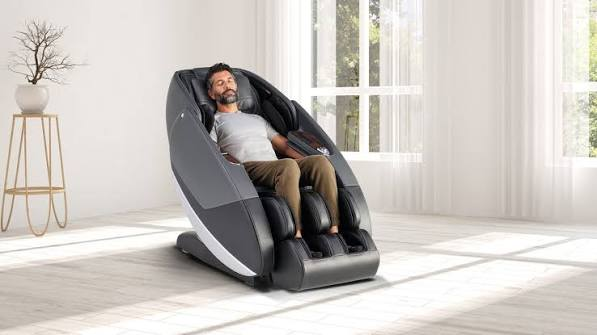
Full Body Massage Chair Guide: How to Choose the Right One
If your shoulders are locked up after a long day at a desk, or your legs feel wrecked after a training block, a full body massage chair promises to undo both without an appointment. But “full body” is one of the most overused phrases in this category — plenty of chairs claim it while only really working your back.
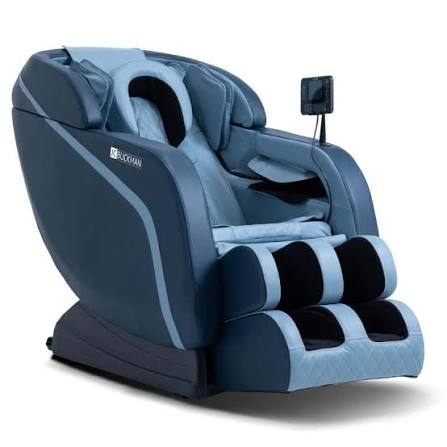
A real full body massage chair makes use of the power of motorized rollers and air pressure, and sometimes heat, to massage the shoulders, neck, hips, back, and legs in one sitting session, generally lasting between 15 and 30 minutes for each program.
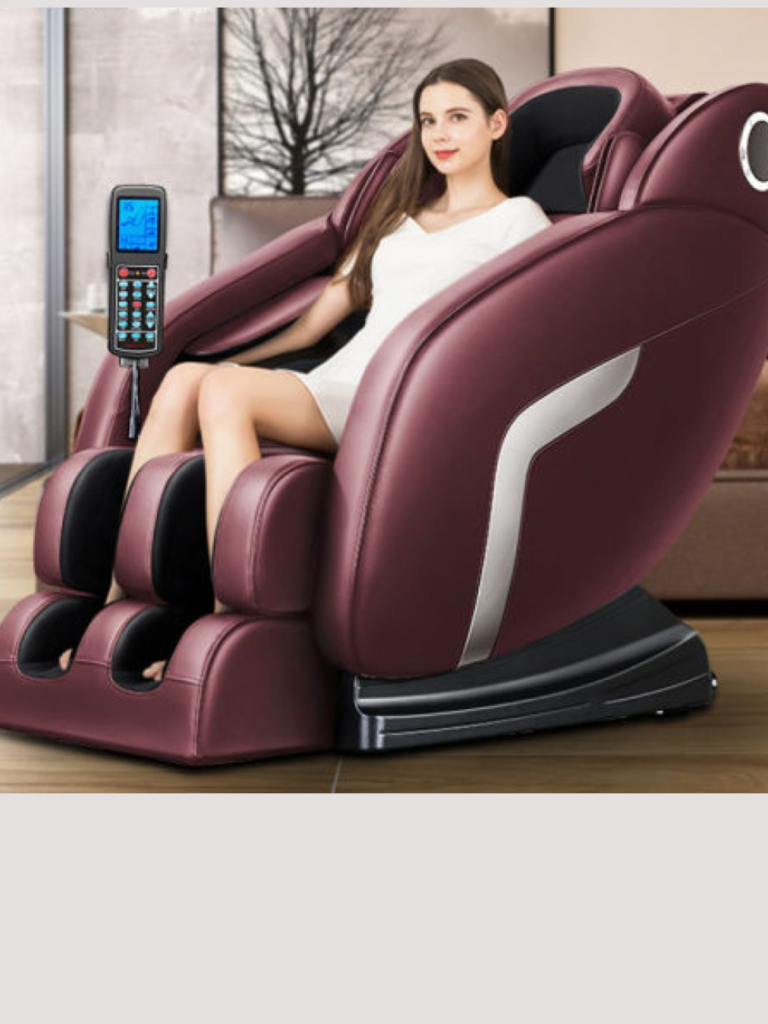
This is the shortened version. The rest of this article is focused on what really matters when you’re investing money in an authentic full body massage chair from a company that makes use of the word “marketing.
Why “Full Body” Is Harder to Verify Than It Sounds?
Most tension isn’t isolated. Tight hips pull on your lower back. A hunched upper back drags on your neck. This is exactly why a chair that only massages your shoulders does not leave the other parts of the chain unaffected, and the reason the track technology under the cushion is more important than the quantity of massage programs that are listed in the package.
Prior to comparing models, it is important to know the physical activity within the chair. This is what makes the chairs worth the price from those that aren’t.
How a Full Body Massage Chair Actually Works?
Four systems can do the job. They’re worth knowing their names before you begin looking at full body massage chairs.
- The mechanism for rollers that are physical is moved along a track that follows your spine, either kneading, tapping, or rolling, depending on the software.
- Cells of air compression -inflatable airbags located within the armrests, seats and calves as well as the feet are able to squeeze and release with a rhythmic flow similar to a blood pressure cuff.
- Modules for heat — heat the area of the lumbar spine or feet to loosen muscles before or during massage.
- The body scan sensors track your back and shoulder length, and the rollers are calibrated to your body’s actual measurements instead of a generic average.
A typical session is run in this sequence: the user sits down, and the chair checks their back, the rollers begin to work from neck downwards to move back down the track, and airbags activate on the legs and arms, and the heat (if the model is equipped with it) is activated in the lumbar region or feet. The majority of programs run between 15 and 30 minutes. Most chairs let you override auto-focus to be focused on a specific region by hand.
S-Track Vs. L-Track. the SL-Track: A Comparison Which Really matters
This is the primary aspect to be aware of prior to buying, as it is the main difference between a chair designed to treat your back and one that is designed to treat your entire body.
Track Type Roller Path Real Coverage Best Suited For
S-Track follows the spine’s natural curve, neck to lower back. Comfort-focused users who mainly want back/neck relief
L-Track extends beyond the S-curve into the glutes and thighs. Neck to thighs/glutes. Buyers who want the seat and hamstrings included
SL-Track combines the spinal curve of S-track with the extended reach of L-track Neck through thighs, with better spinal contour. Buyers who want the most complete coverage available
If a listing says “full body” but the roller description only mentions the back and calves, that’s a strong sign the track is S-track, not L or SL — and it’s worth checking the spec sheet directly rather than trusting the headline claim.
Rollers themselves also come in different levels of sophistication — 2D rollers move in and out, 3D rollers add depth adjustment, and 4D rollers add adjustable speed and rhythm on top of that, which is where the massage starts to feel closer to human hands rather than a fixed mechanical pattern.
What the Research Actually Supports?
It’s easy to find bold claims about full body massage chairs curing everything from anxiety to poor circulation. Some of that has research behind it — but not all of it, and it’s worth being precise about which is which.
A scoping review of full body massage chair studies, published via ScienceDirect and indexed on PubMed, examined roughly 18 studies and found reasonably consistent evidence for improvements in muscle stiffness, stress reduction, mental fatigue, and general quality of life, with the strongest and most consistent findings on the mental health side rather than physical outcomes. The same review noted that a couple of case reports documented complications, which is a useful reminder that these are not risk-free devices for everyone.
Separately, smaller trials have looked at cortisol and DHEA-S — hormones tied to the body’s stress response — and found reductions after regular massage chair use in older adults, alongside improvements in self-reported mood and general health perception.
What this doesn’t support is treating a full body massage chair as a medical treatment. These are wellness devices, not FDA-cleared medical equipment, and claims that they resolve diagnosed conditions like sciatica or chronic disc issues go beyond what the current evidence shows.
Who Should Be Cautious:
Talk to a doctor before regular use if any of the following apply to you:
- You’re pregnant
- You have had recent surgery, fractures or open wounds
- If you are taking blood-thinners
- You have severe osteoporosis or spinal hardware
- You have an uncontrolled cardiovascular condition
None of this means a full body massage chair is unsafe for the average healthy adult — it means the contraindications are worth checking once, the same way you’d check them before starting any new fitness or wellness routine.
- Building Your Decision Framework, Instead of beginning with “which brand is best,” it’s best to focus on the end goal, because it will determine which aspects are worth paying more money for.
- If your primary objective is to ease tension and discomfort, prioritize the length of your track (L or the track SL) along with the roller’s depth (3D/4D) and the number of air cells. These determine the extent to which your chair is able to reach the problematic areas.
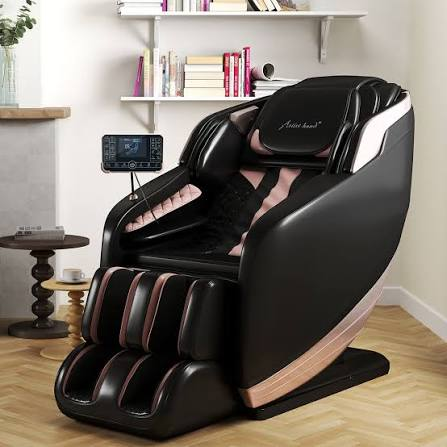
If your main objective is to relax and relieve stress:
prioritize heat therapy as well as multiple zero-gravity recline phases and calmer, more slow pre-programmes over intense deep-tissue settings.
If your primary goal is recovery from athletics, you’re in the right place:
Prioritize calf and foot compression, stretch-style programs, and quick, automatic programs you can use between training sessions without a long setup.
Once you know your priority, work through these checks in order:
- Confirm your fit. Check the stated height range of full body massage chair and weight capacity — a chair that’s too short or too narrow for you will misalign the rollers, no matter how good the technology is.
- Find how much space. Standard recline chairs generally require 6-7 feet of clearance from the wall in order to recline completely; space-saving “zero-wall” designs can work with just a range of a few inches.
- Set a realistic price for your tier, basing it on the pricing table below, instead of buying using brand names first.
- Review the trial period and warranty prior to any other. A 30-90-day home trial and a multi-year warranty are more in the long run than app connectivity or additional lighting-up features.
- Test in person if you can. Roller pressure is subjective — a full body massage chair that reads well on a spec sheet can still feel wrong on your body.
What You’ll Actually Pay?
Price Tier Typical Range What’s Usually Included:
| Tier | Price Range | Key Features |
| Entry-level | $500–$1,500 | Basic S-track, fewer airbags, limited programs |
| Mid-range | $1,500–$3,500 | L-track, moderate airbag count, heat, zero-gravity recline |
| Premium | $3,500–$6,000 | SL-track, 3D/4D rollers, fuller body scanning, app control |
| Luxury | $6,000+ | Most complete track coverage, extensive customization, premium materials |
Buying: Showroom vs. Online
Testing a full body massage chair in person tells you something a spec sheet can’t — whether the roller pressure and recline actually feel right for your body. Showroom staff can also walk you through programs live, which is hard to judge from a product video.
- Shopping online generally gives you more options and, usually, a longer trial period. A lot of merchants offer a 30-day trial period with return shipping included, allowing you to experience the product in the same way that you would at a retail store and at your home.
- An easy method is to try the model you want to purchase in the local showroom, and then check the exact model’s number against online stores before making a purchase, ensuring you receive the physical confirmation without having to pay a markup for showrooms.
Avoid these common errors:
- Airbag count alone is not enough to judge The placement of the appropriate zones has more significance than the actual numbers..
- The weight and height check is skipped. A full body massage chair that isn’t right for your needs will result in poorly aligned rollers regardless of the characteristics.
- The trial period is skipped. Comfort here is truly subjective, and just the specs can’t reveal what it feels like.
- Underestimate acting space needs some models require an actual wall clearance in order to recline fully.
- Assuming “full body” always means L or SL-track — verify the track type directly rather than trusting the label.
- Do not take note of the noise level; motorized rollers are often surprisingly noisy in an open-plan living area.
- If a full body Massage Chair Isn’t the right fit, a full body massage chair for your entire body isn’t the only way to relieve stress; it’s crucial to consider it in comparison with other alternatives.
- Pads or massage cushions. It is much cheaper and portable; however, it is only able to provide partial coverage.
- Professional massage therapy — more customizable and hands-on, but recurring cost and scheduling are required.
- Percussion massage guns — good for quick, targeted recovery, but no seated full-body session.
- Foam rolling and stretching — free and self-directed, but requires some technique and consistency.
For many people, a full body massage chair complements rather than replaces these — used for daily maintenance, with occasional professional therapy for anything more specific.
FAQS
1. Can the full body massage chair be safely used throughout the day?
For most healthy adults, short sessions each day may be considered sufficient to maintain good health. If you’re experiencing an issue with your health, you should consult with your physician prior to making any decisions, instead of thinking that it’s safe.
2. Do full body massage chairs cause harm to your spine?
Used appropriately and appropriate to your weight and height, they’re not harmful for healthy adults. The most common causes of problems are not recognizing size limits or using aggressive settings when there is an injury that’s already present.
3. What should you be seated on a massage table every time?
Most preset sessions last between 15 to 30 minutes. Generally, producers advise against doing too much than one time.
4. Do full body massage chairs help with sciatica?
Certain users experience the relief of general stress; however, full body massage chairs aren’t an approved treatment for sciatica or other nerve-related chronic conditions. It’s best to make a referral to a doctor or physical therapist.
5. What is the distinction between 2D, 3D, 2D, or 4D rollers?
2D rollers go between them. 3D rollers can be adjusted in depth, while 4D rollers allow for adjustable speed and a rhythm to that. Each step is designed to make your massage more similar to human hands.
6. Is a full body massage chair used to substitute for a real massage?
It can handle everyday maintenance and general tension; however, it’s not able to change techniques in real-time as a skilled massage therapist would for a particular injury or illness.
7. Are expensive full body massage chairs really worth the price?
If you’ll use it regularly and your main goal is thorough, full-body coverage, the jump to L or SL-track and 3D/4D rollers is usually where the money is well spent. If your needs are lighter — occasional back and neck relief — a mid-range S-track model may cover it without overpaying for features you won’t use.
Conclusion
A full body massage chair is a genuinely useful daily tool for tension relief and relaxation — but “full body” is a claim worth verifying, not taking at face value. The track type underneath the upholstery, not the marketing copy on the box, determines whether your whole body actually gets covered.
Start with your goal — pain relief, relaxation, or recovery — then check your fit, your space, and the trial and warranty terms before you look at brand names. Test in person if you can, and if you’re managing an existing health condition, confirm with a doctor before making it part of your daily routine.
These information about full body massage chair are gathered from different surveys, medical tests and tech giants like Reviewed and more. Our top priority is to provide you valuable information about full body massage chairs.
For More Details About Different Massage Chairs Click Here